There are artists who paint people, and there are artists who rebuild them.
The art of Alex Roman does not approach the human figure as anatomy to be copied or even as portraiture in the conventional sense. He approaches it as a system of 3D volumes, tensions, planes, and luminous accents. Faces become constructions. Bodies become monoliths. Identity is no longer carried by realistic detail, but by the placement of a curve, the weight of a silhouette, the angle of a brow, the pressure of color against empty space.
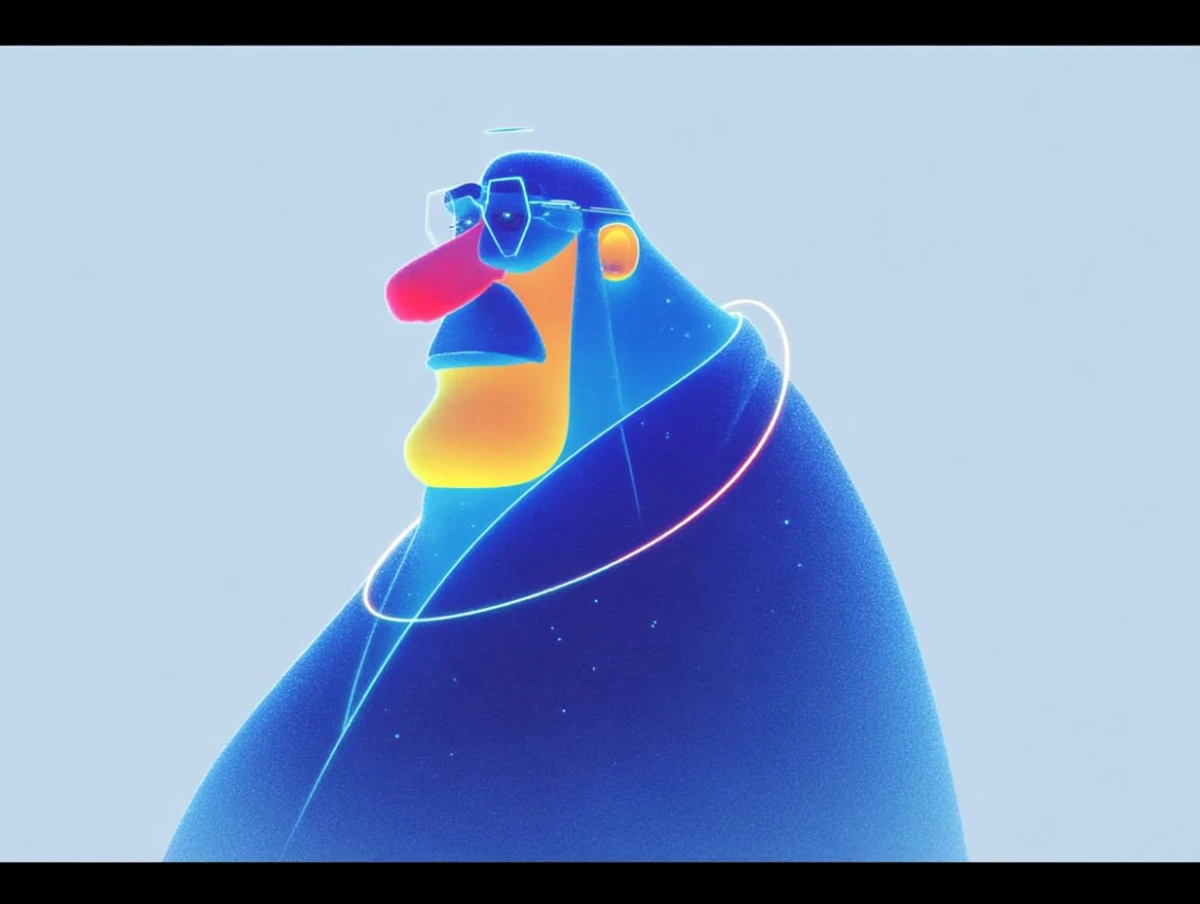
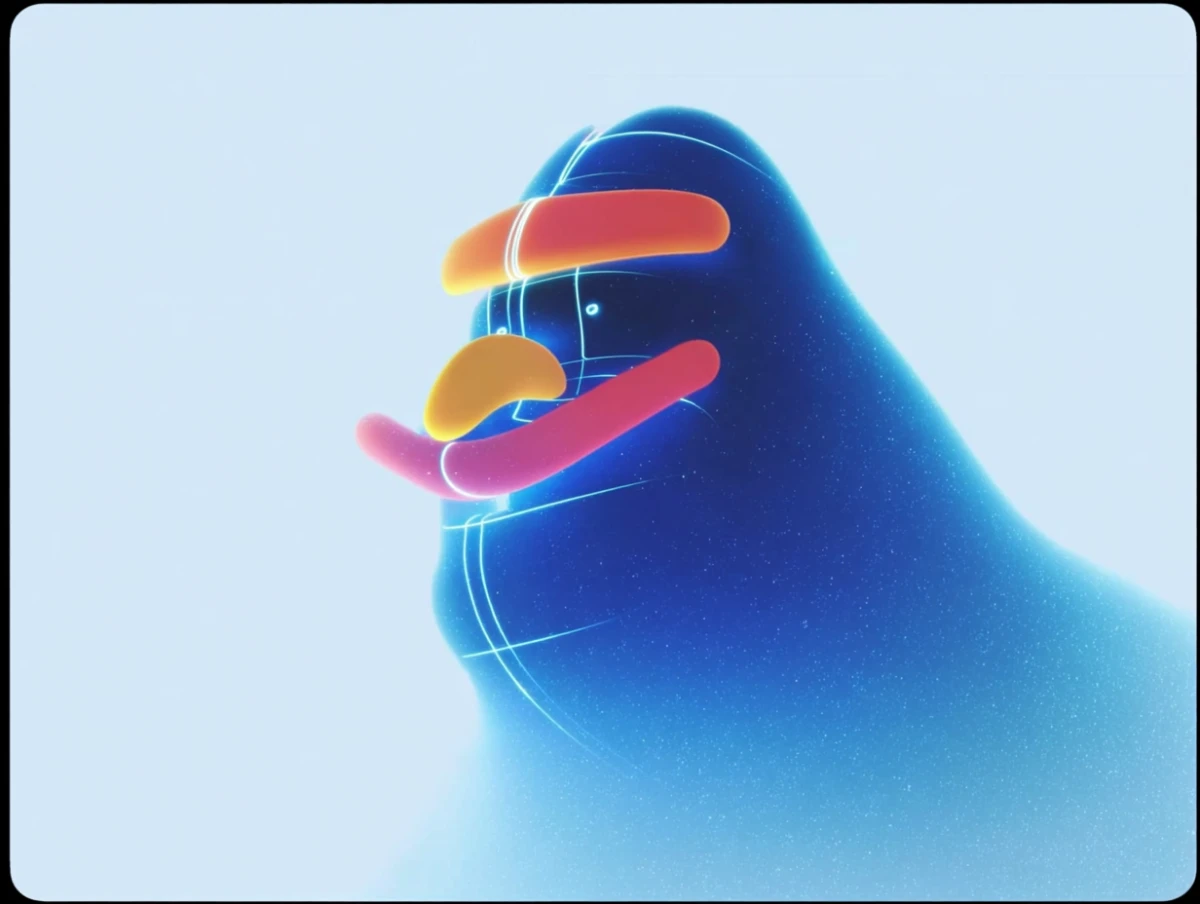
There are artists who describe people, and there are artists who reassemble them. Alex Roman (architect) belongs to the second kind. In these images, the figure does not arrive as anatomy, likeness, or portrait in any ordinary sense. It arrives as a construction, as if a person had been distilled into mass, curvature, voltage, and silence. The body becomes an illuminated volume. The face becomes an arrangement of signs. What remains is not less human for being abstract. It is human after compression, human after fire, human after design.
This is what gives this work its force. Roman does not describe a person. He converts a person into an event of form.
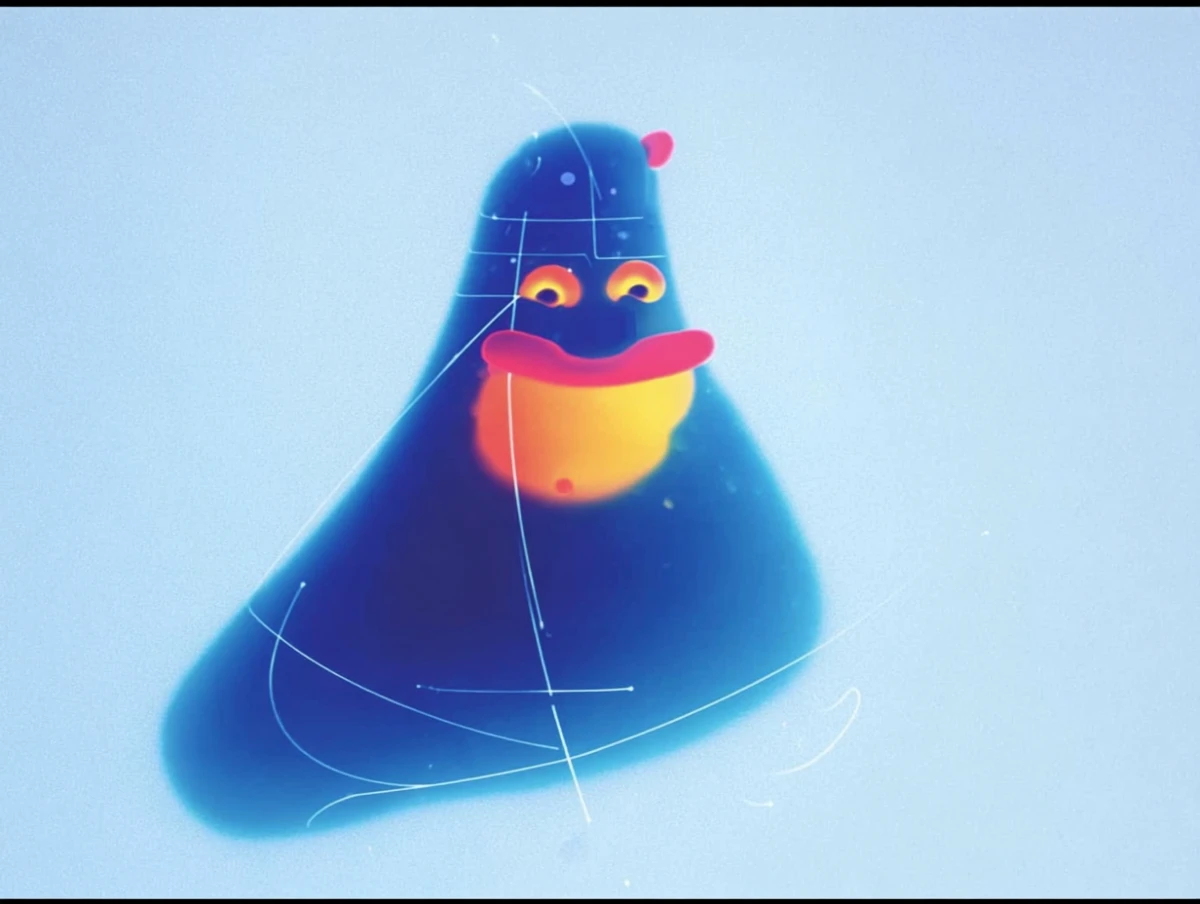
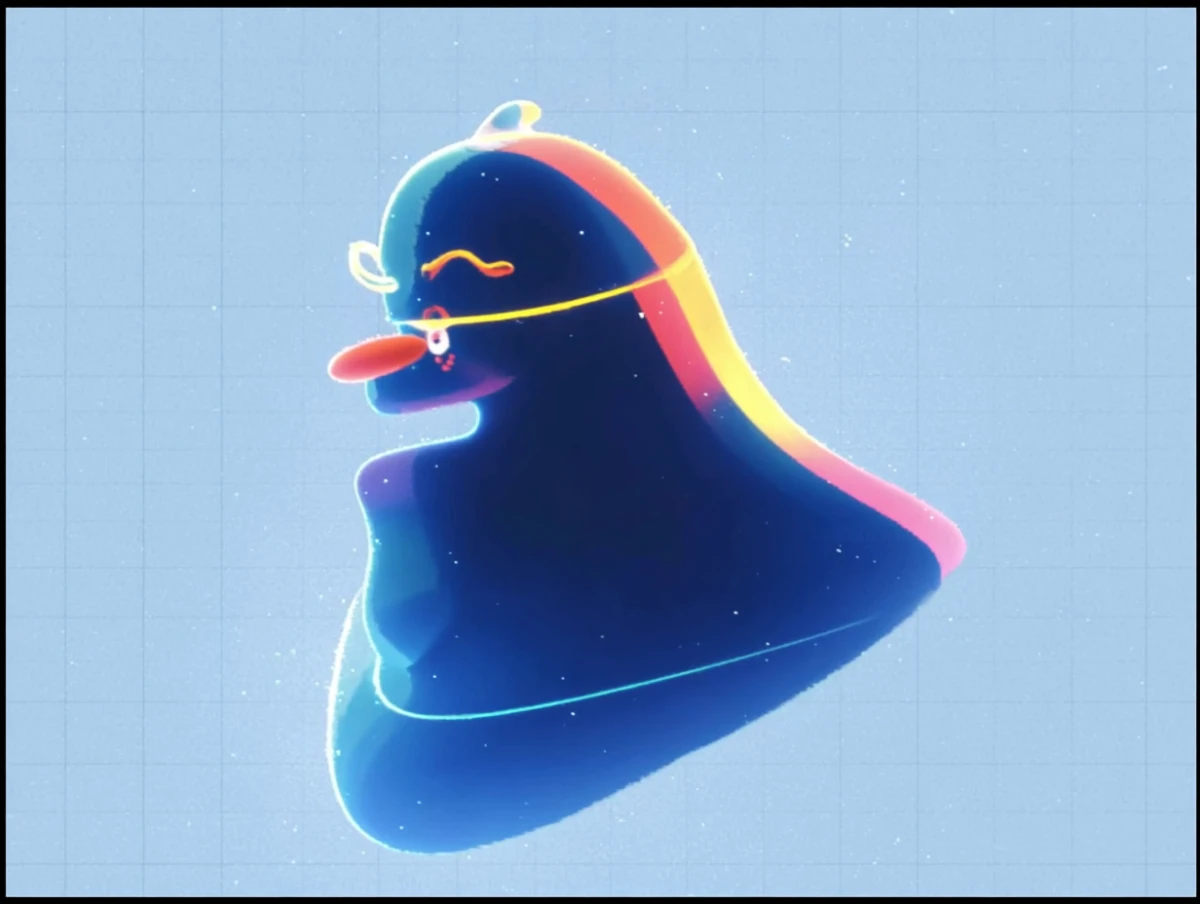
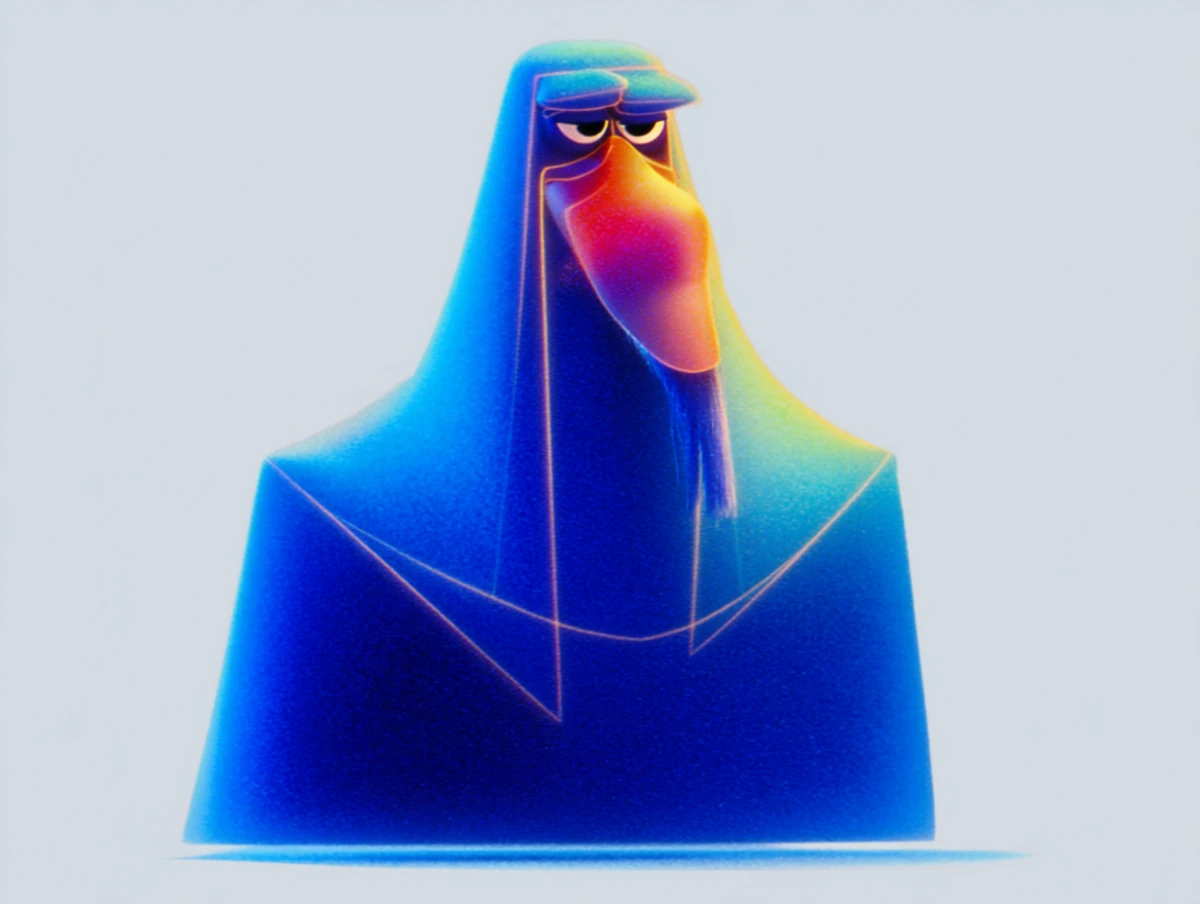
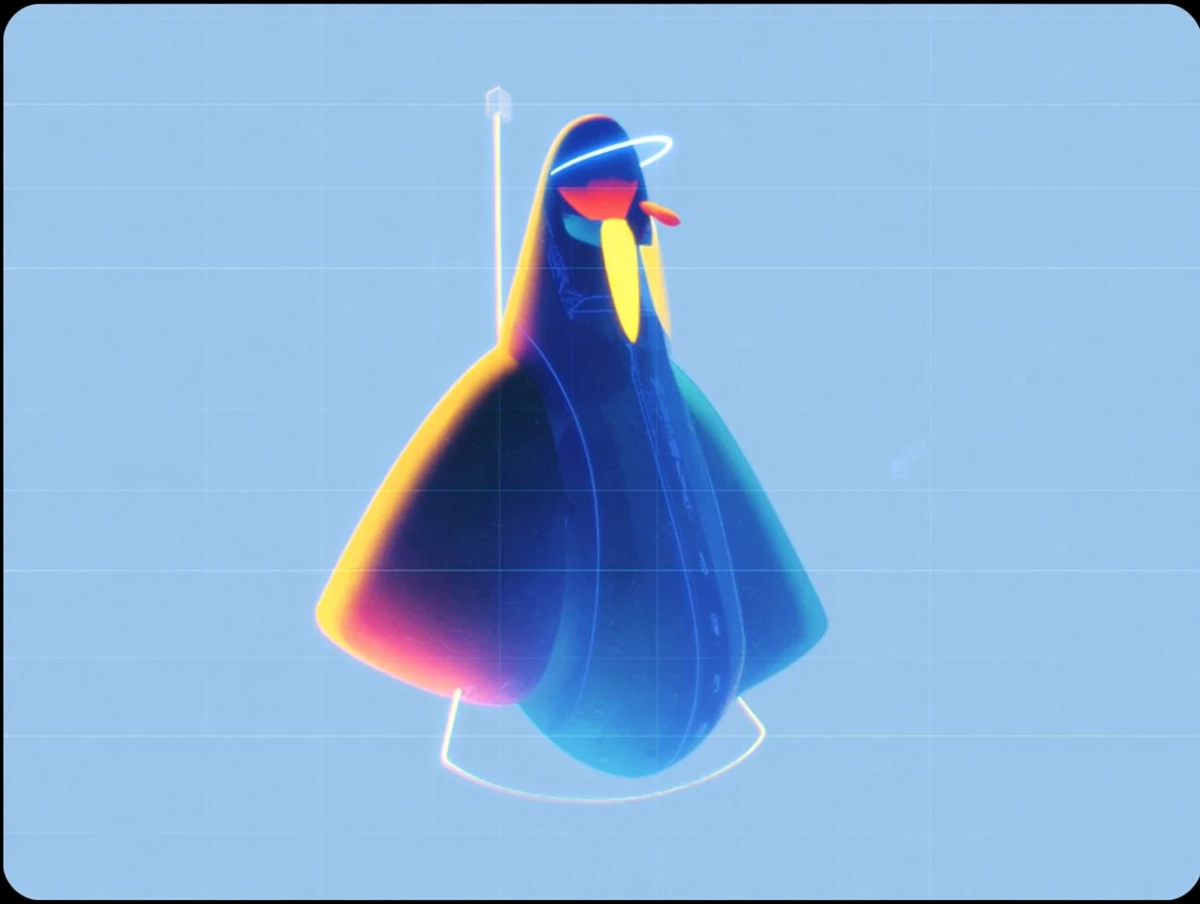
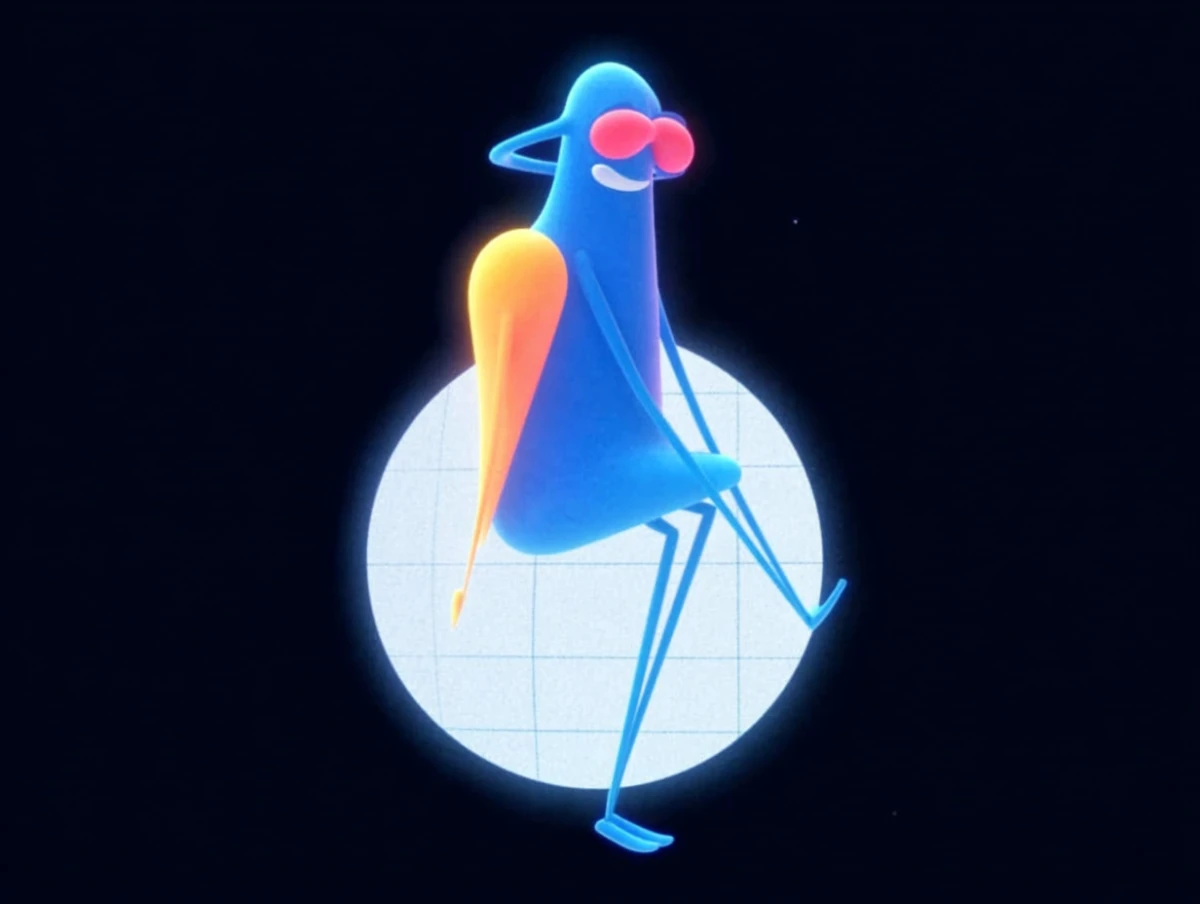
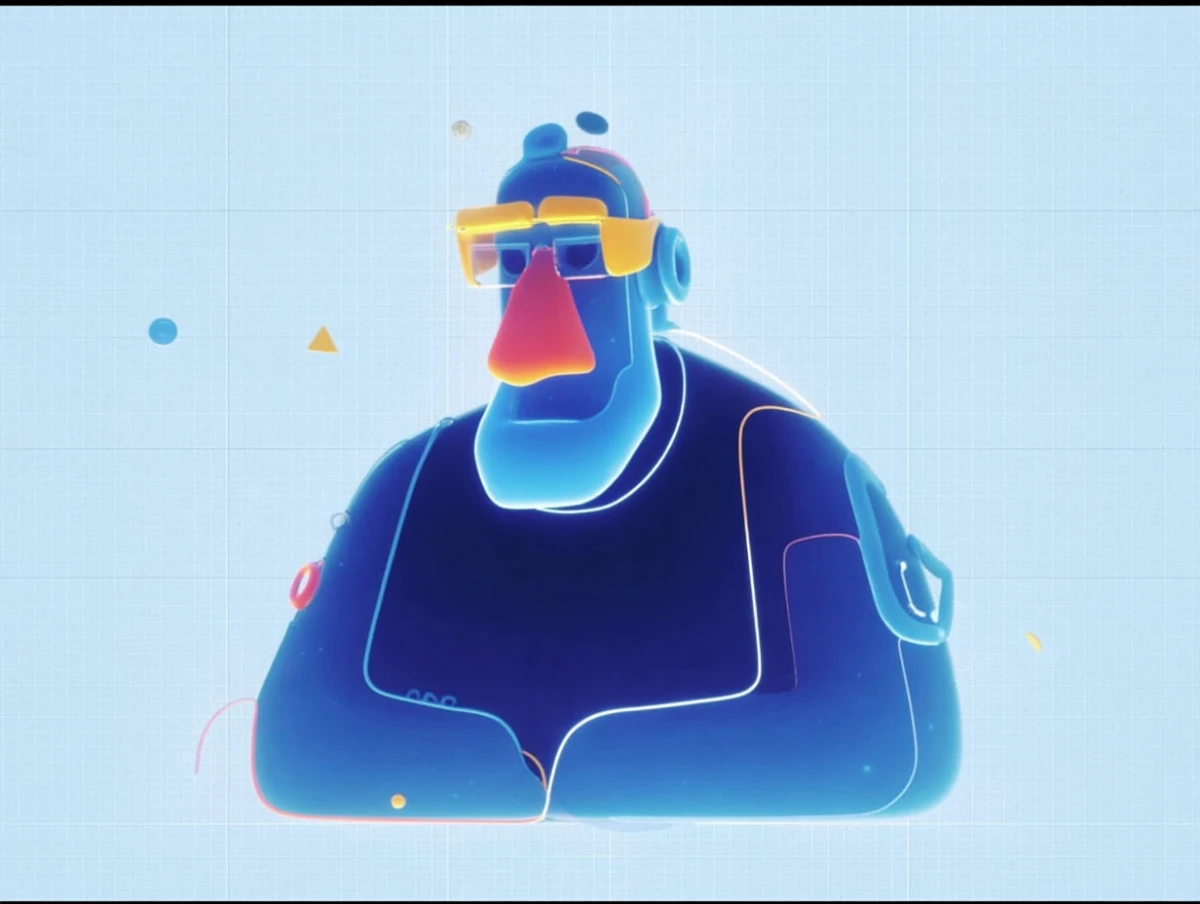
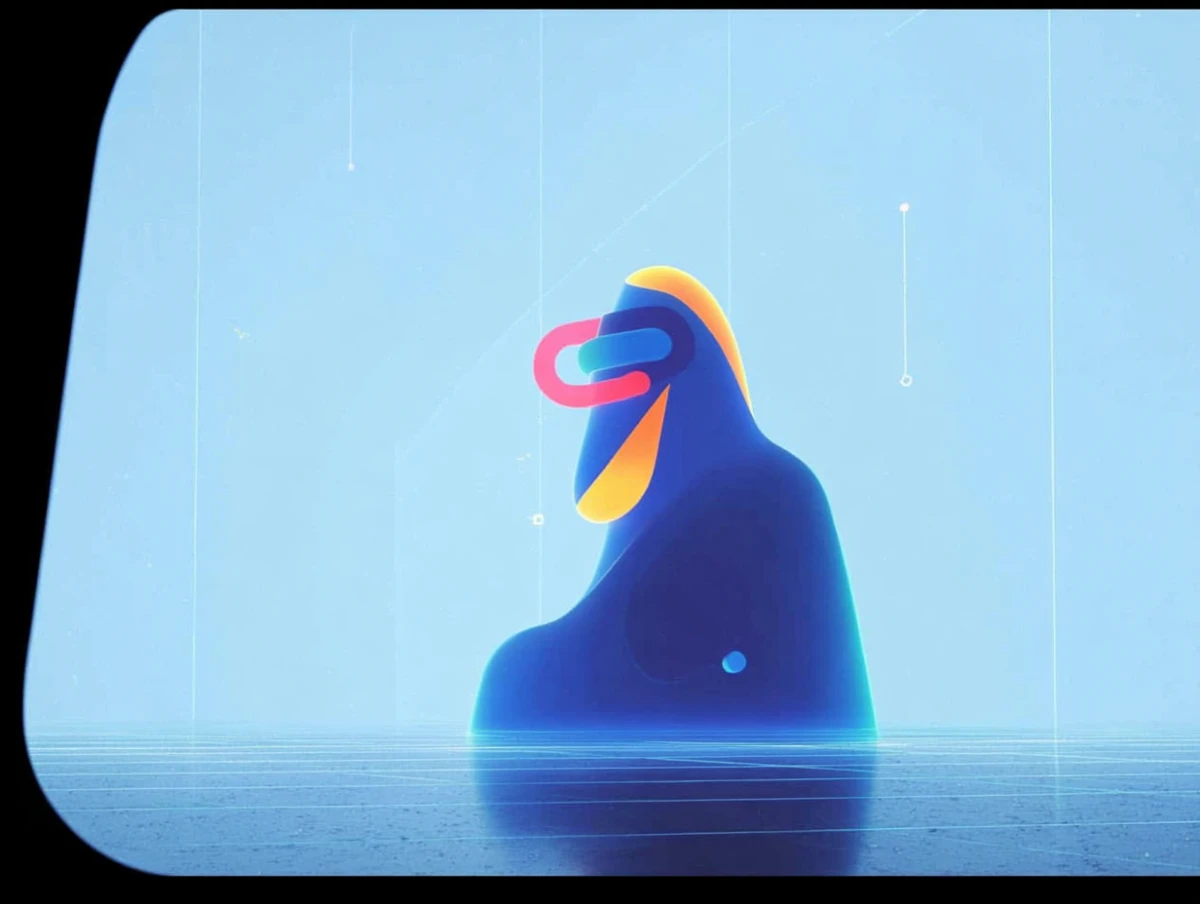
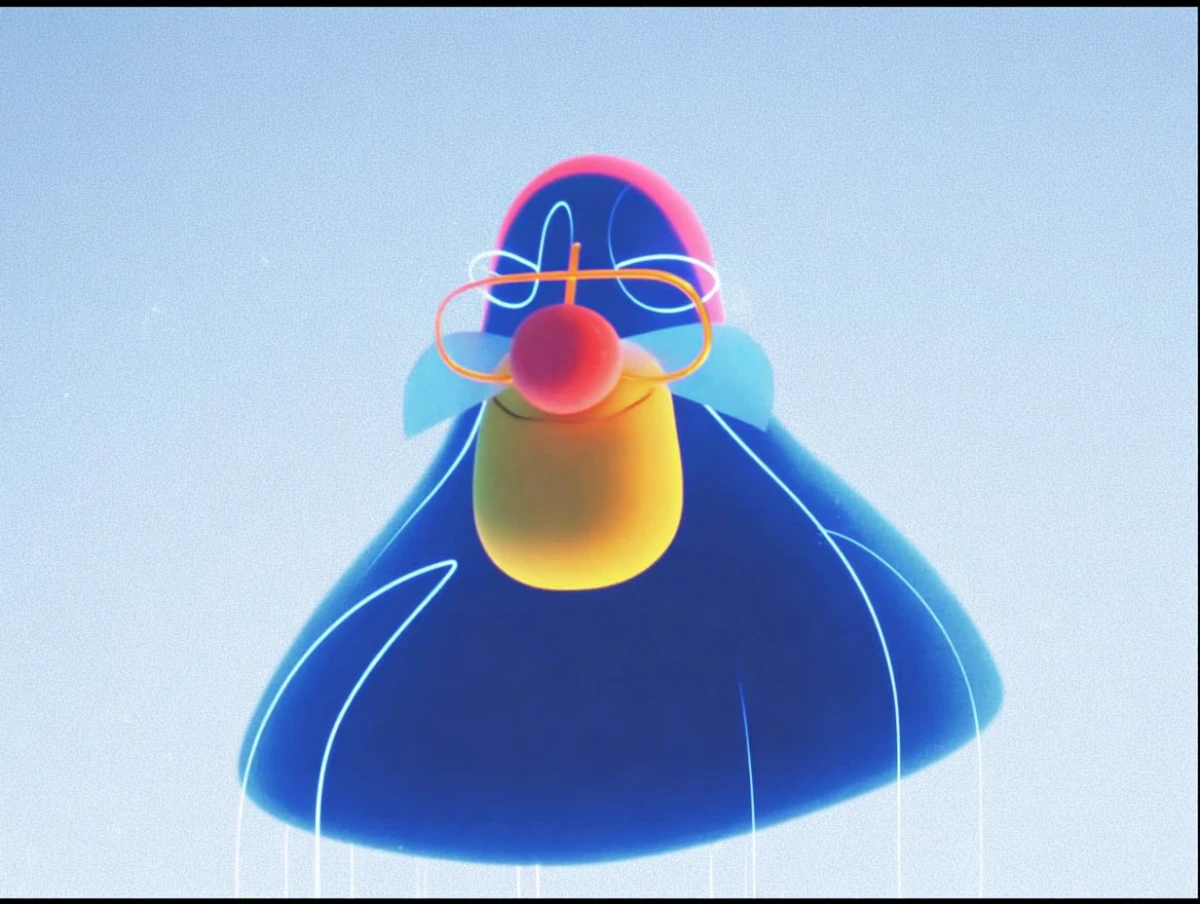
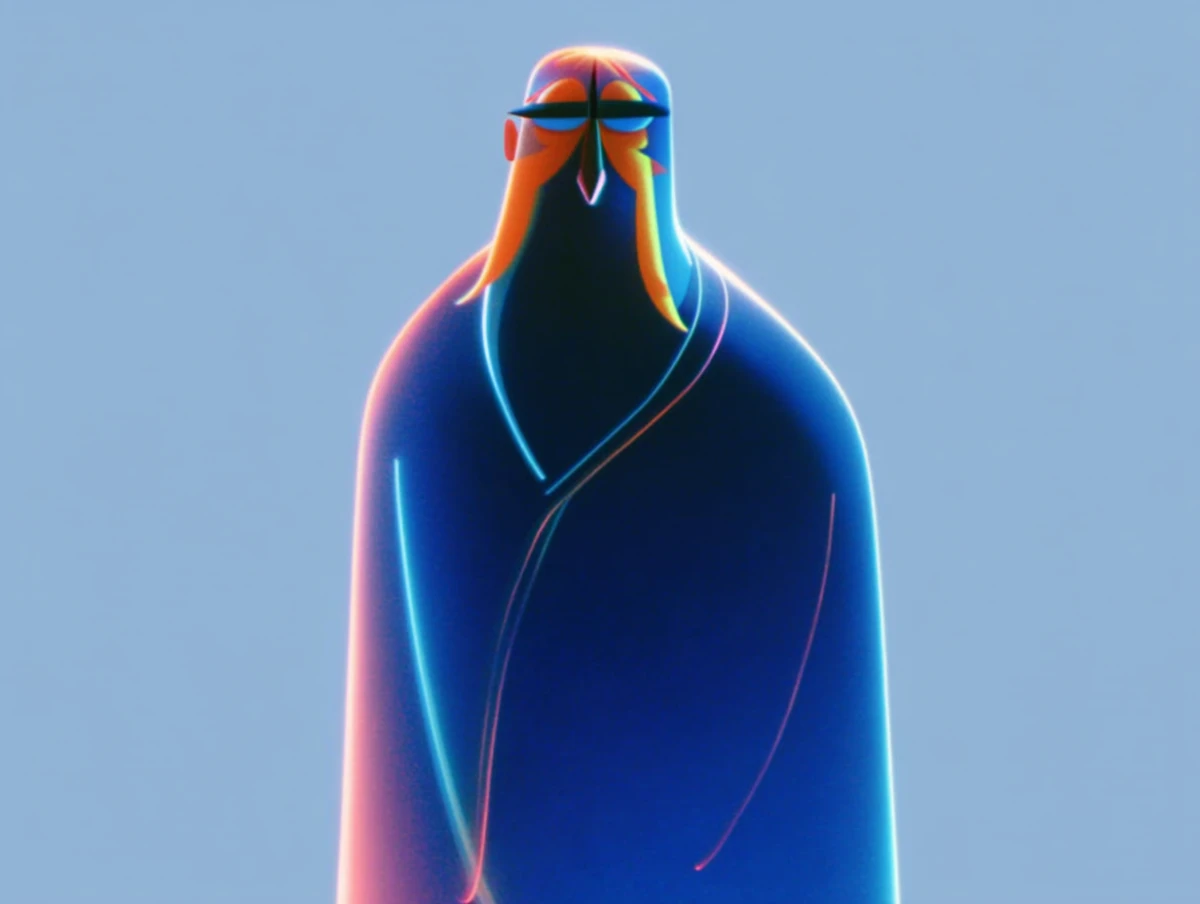
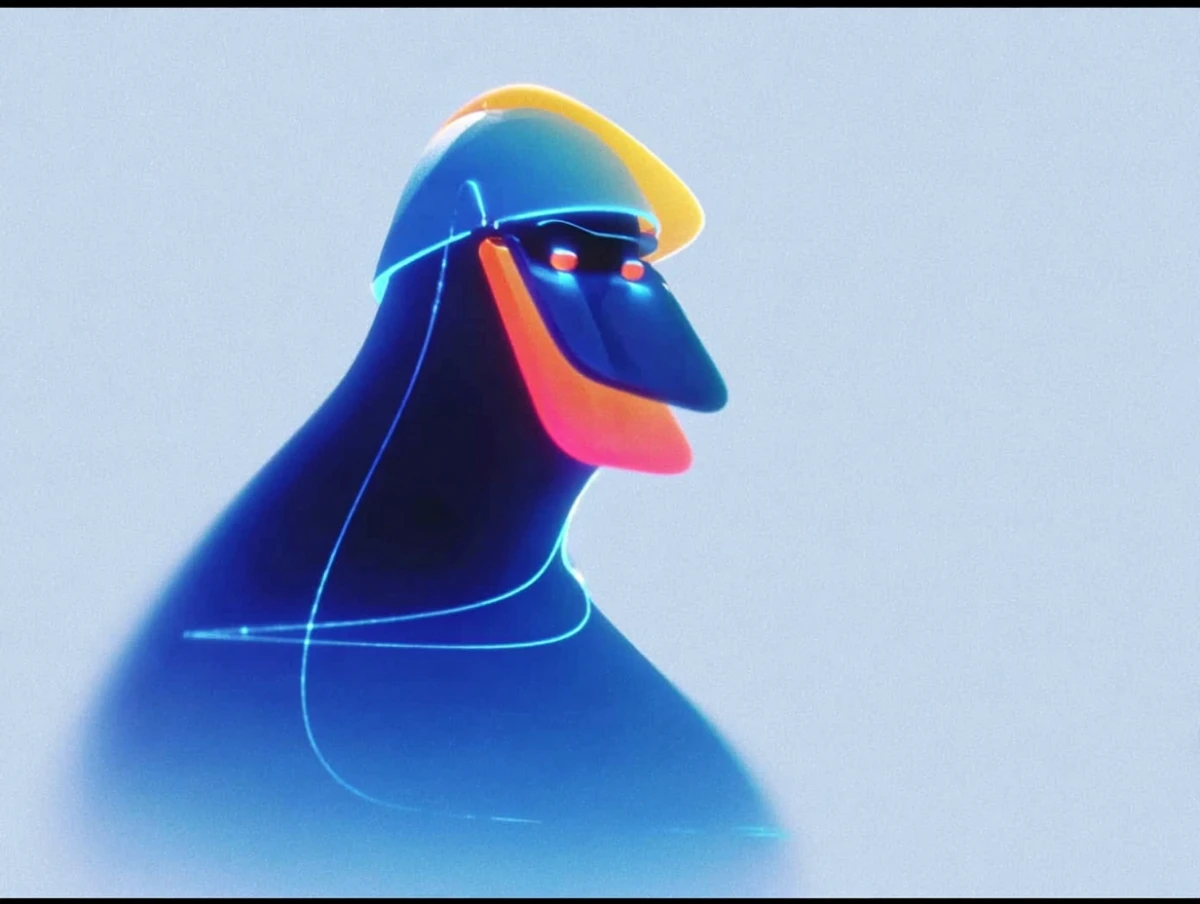
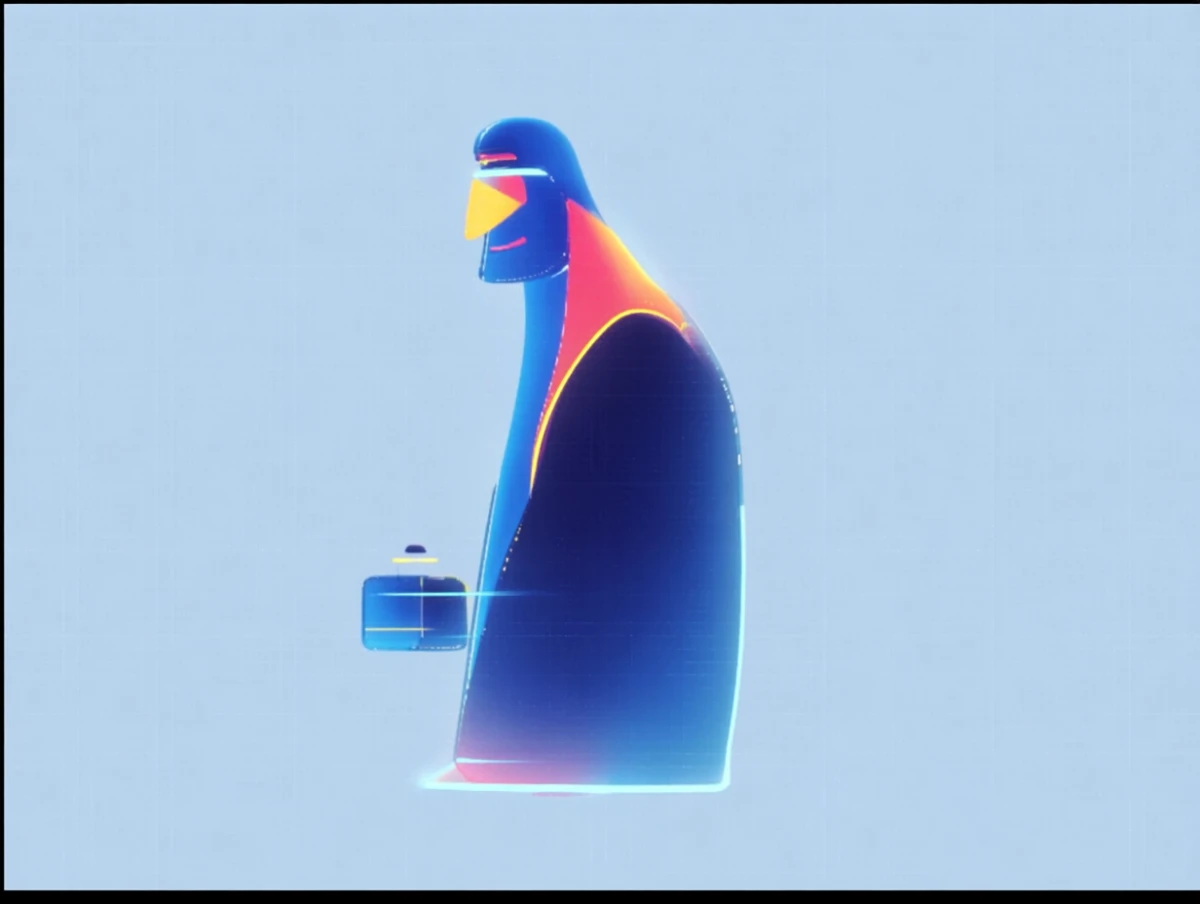
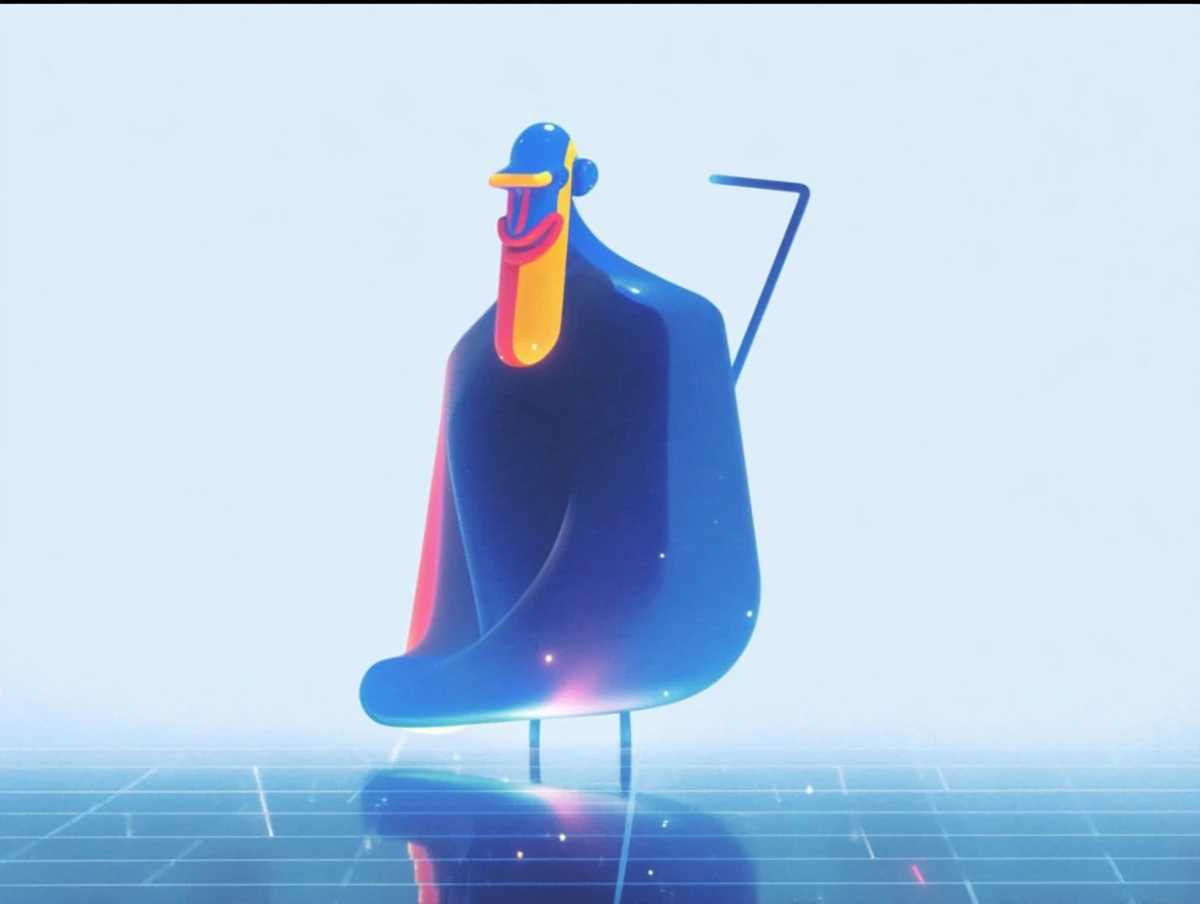
The first thing that stands out is the creative architectural intelligence behind the compositions. These figures are not drawn loosely or decorated into existence. They are built. The large blue masses behave like structures, almost like facades or sculpted shells, while the facial elements float on top with the precision of inserted components. A nose becomes a cantilever. A lip becomes a sweeping beam. An eyelid becomes a compressed line of authority. Even when the figures are soft or comic, they are never accidental. They feel engineered.
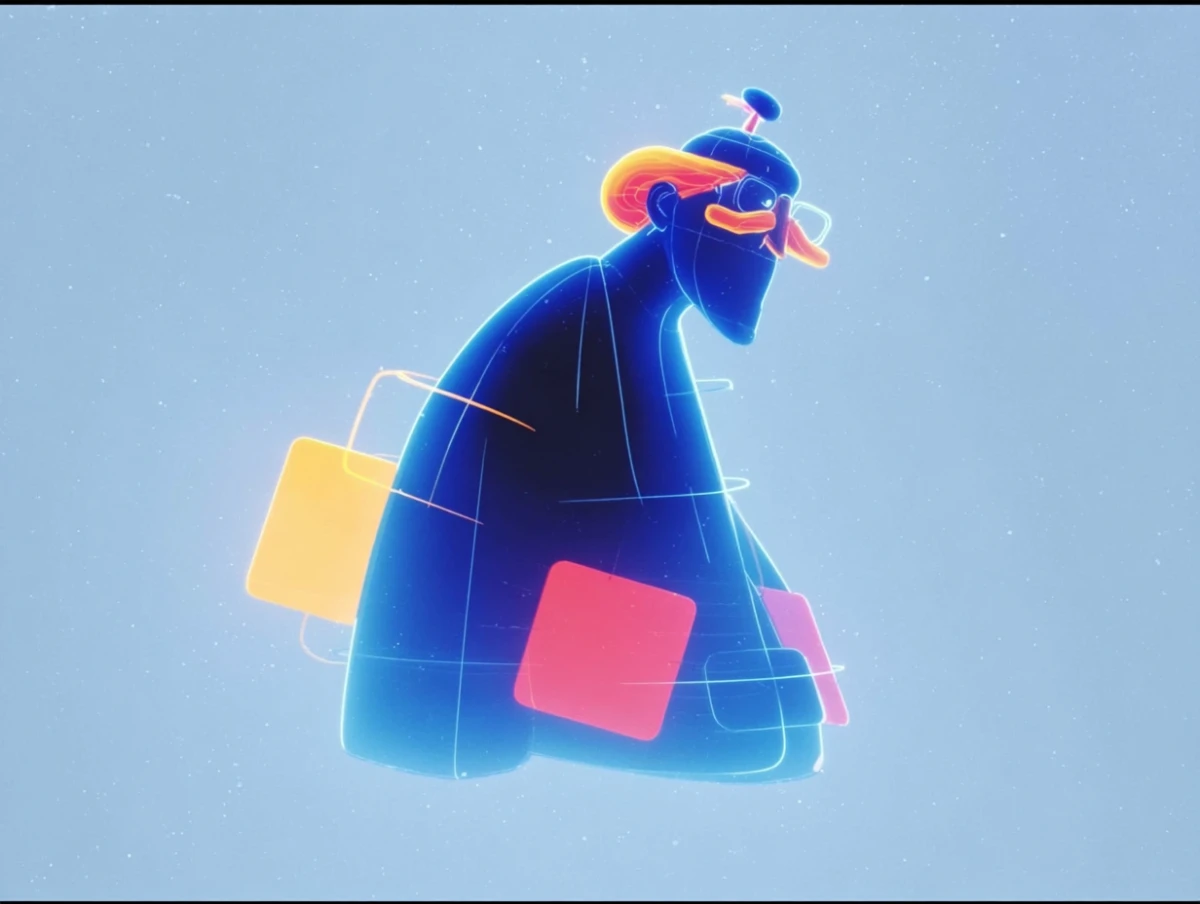
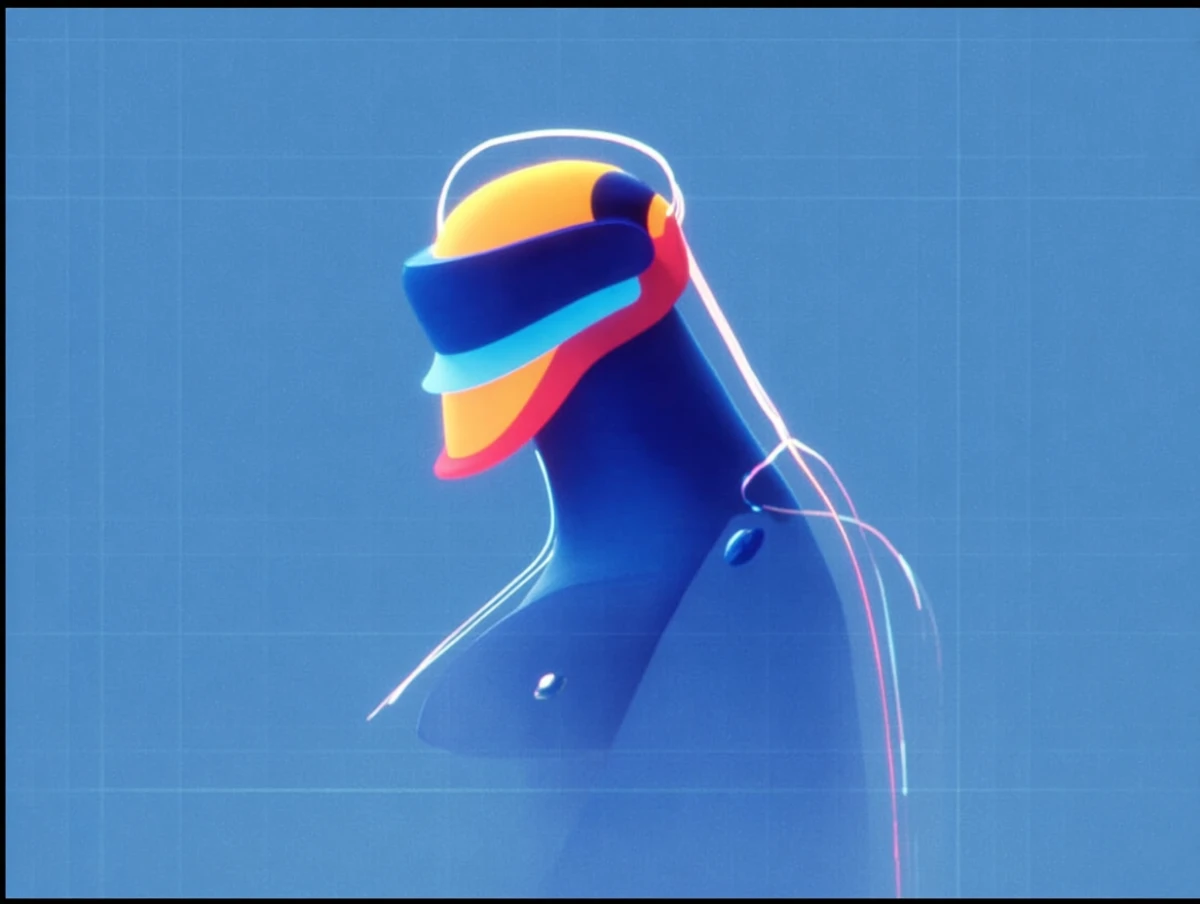
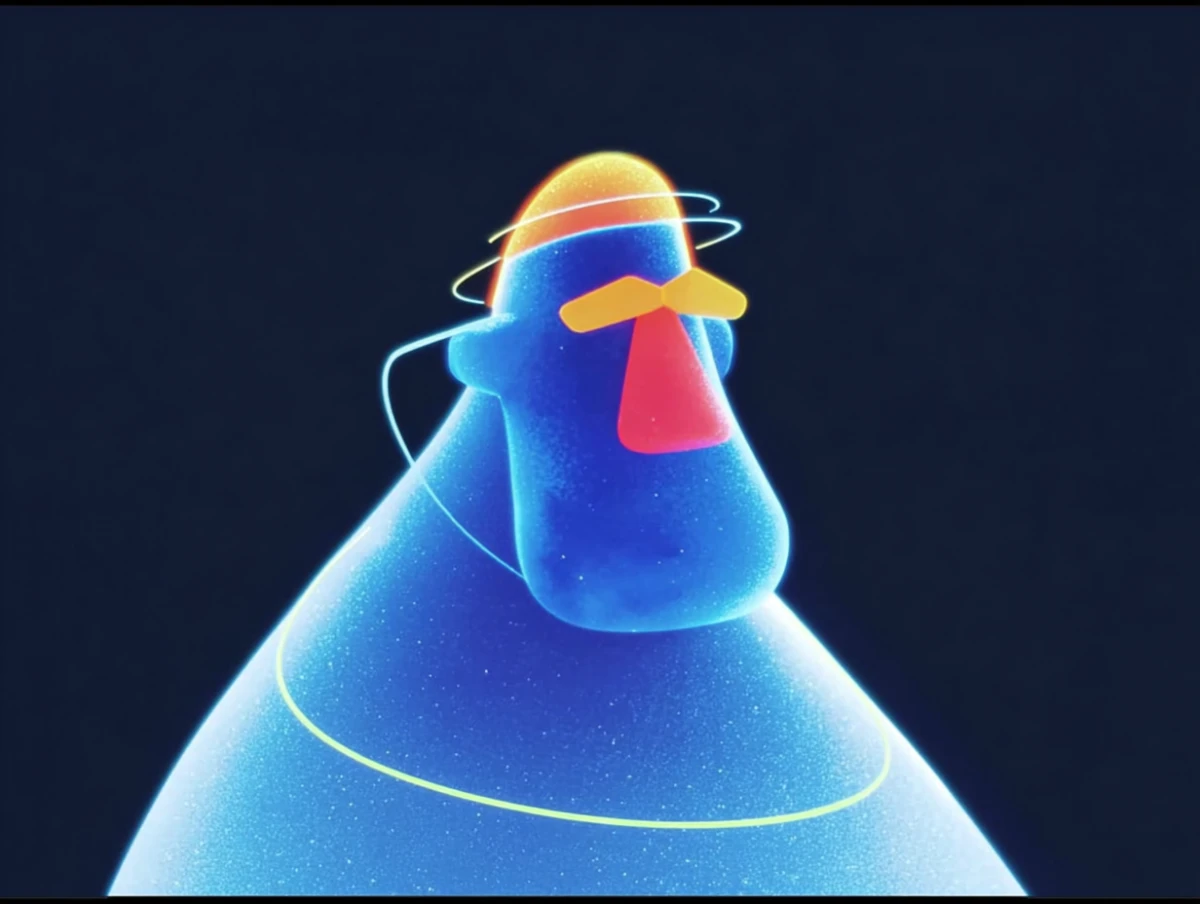
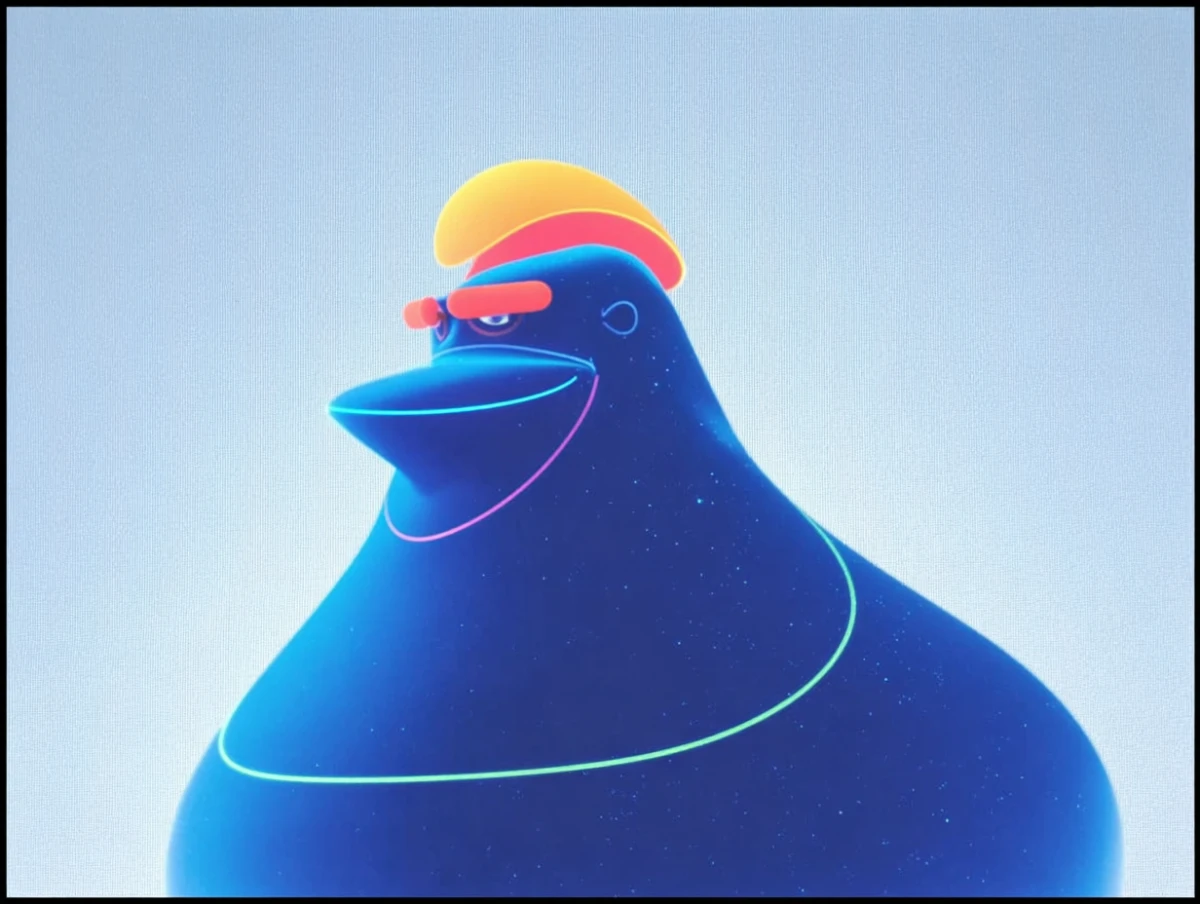
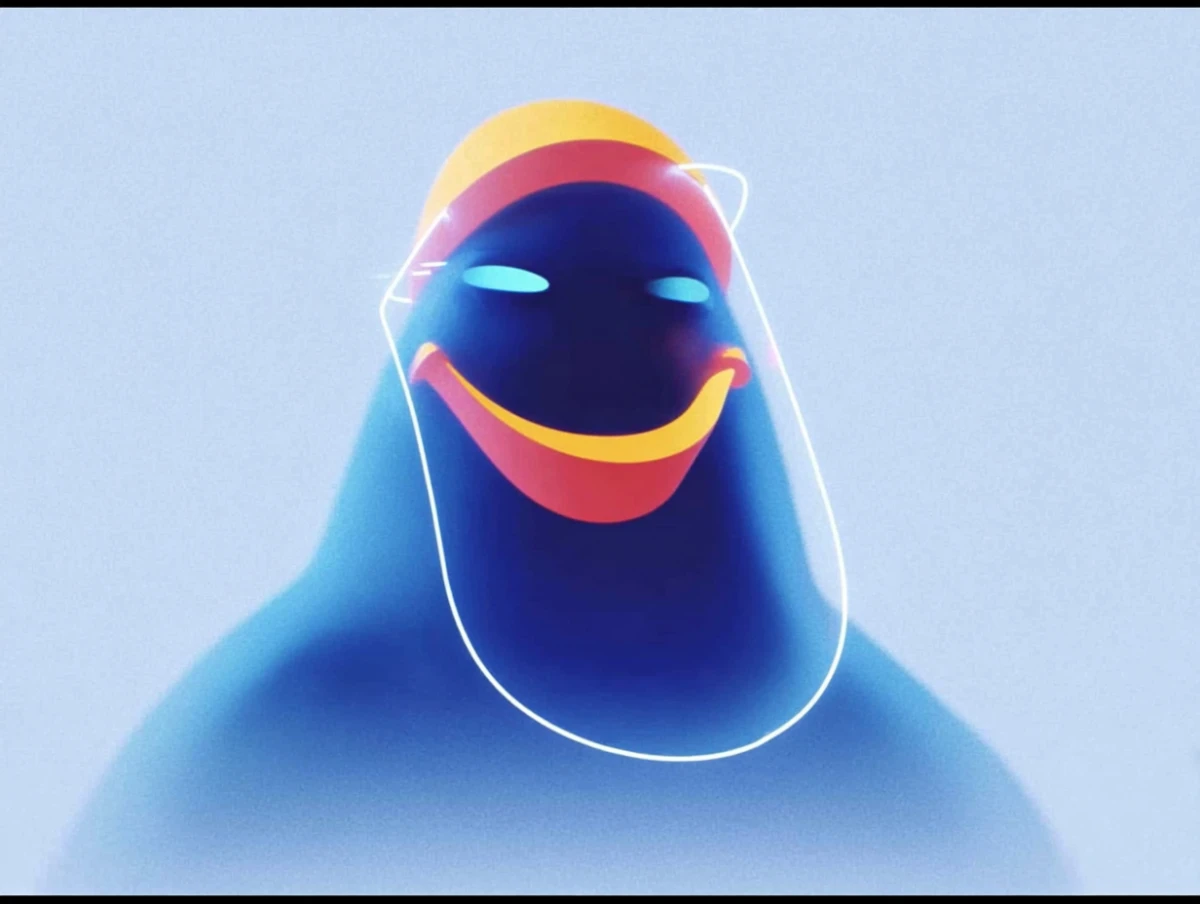
That sensibility matters. Roman’s figures are abstract, but they are not vague. They are simplified with discipline. The reduction is deliberate. He removes everything that does not carry visual energy, then lets a few elements do all the emotional work. A pair of heavy eyes can suggest suspicion. A hot pink curve can suggest wit, arrogance, or tenderness. A single yellow form can turn a blank face into a character with inner weather.
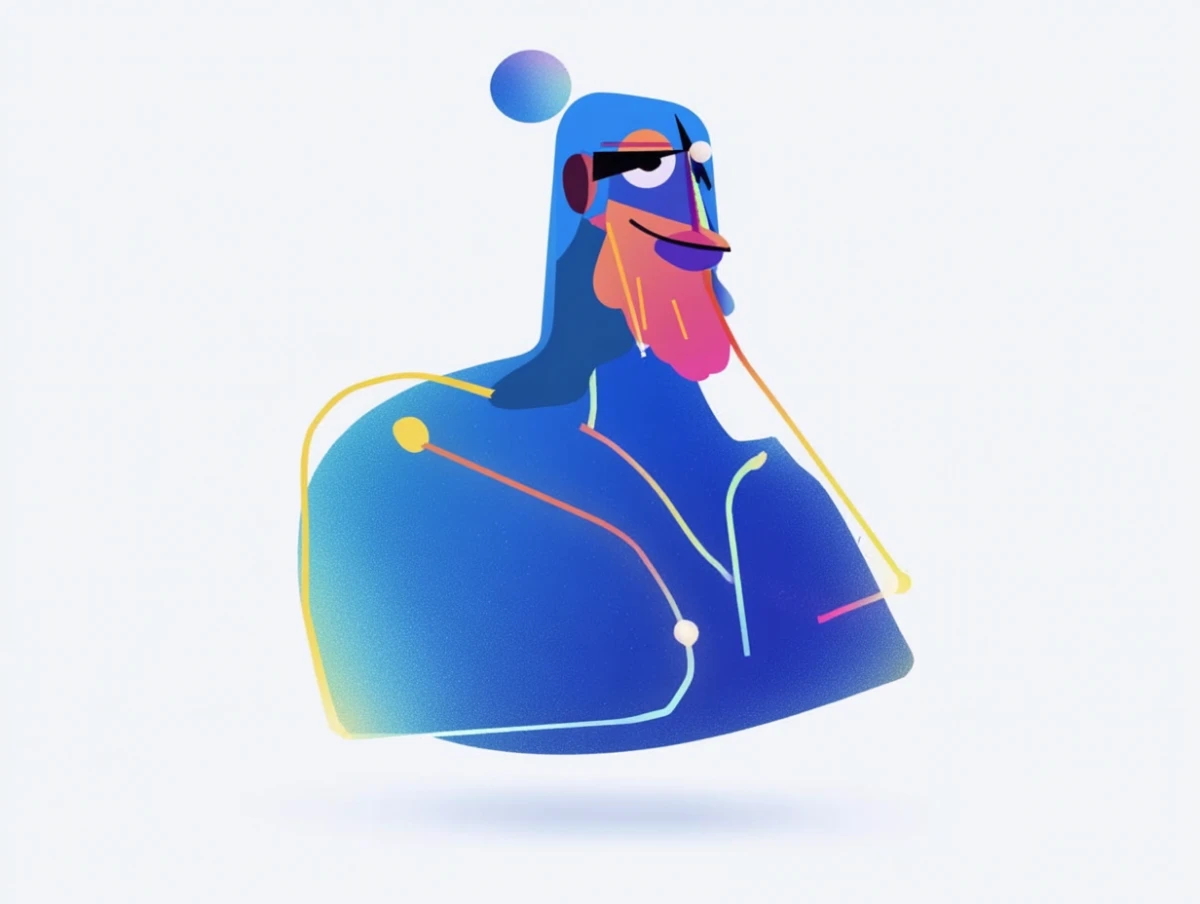
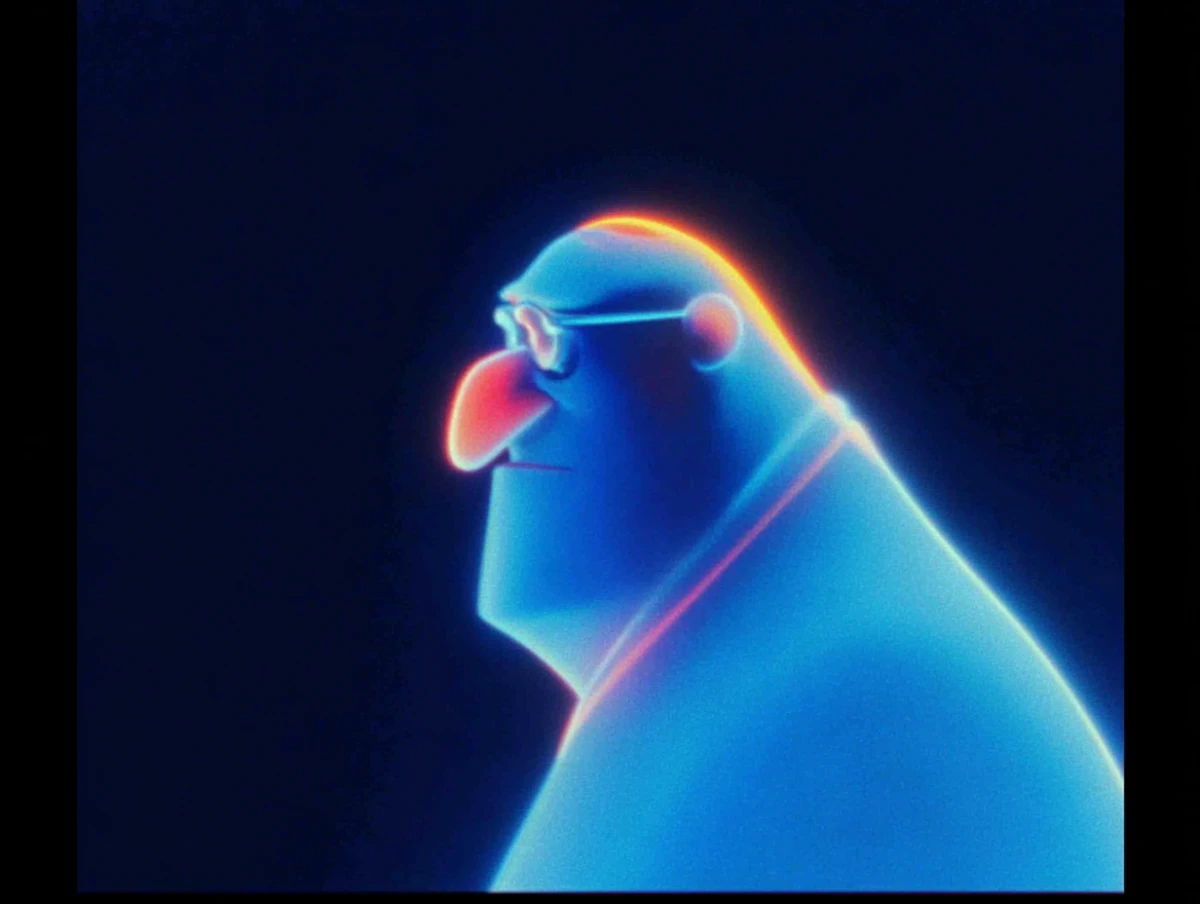
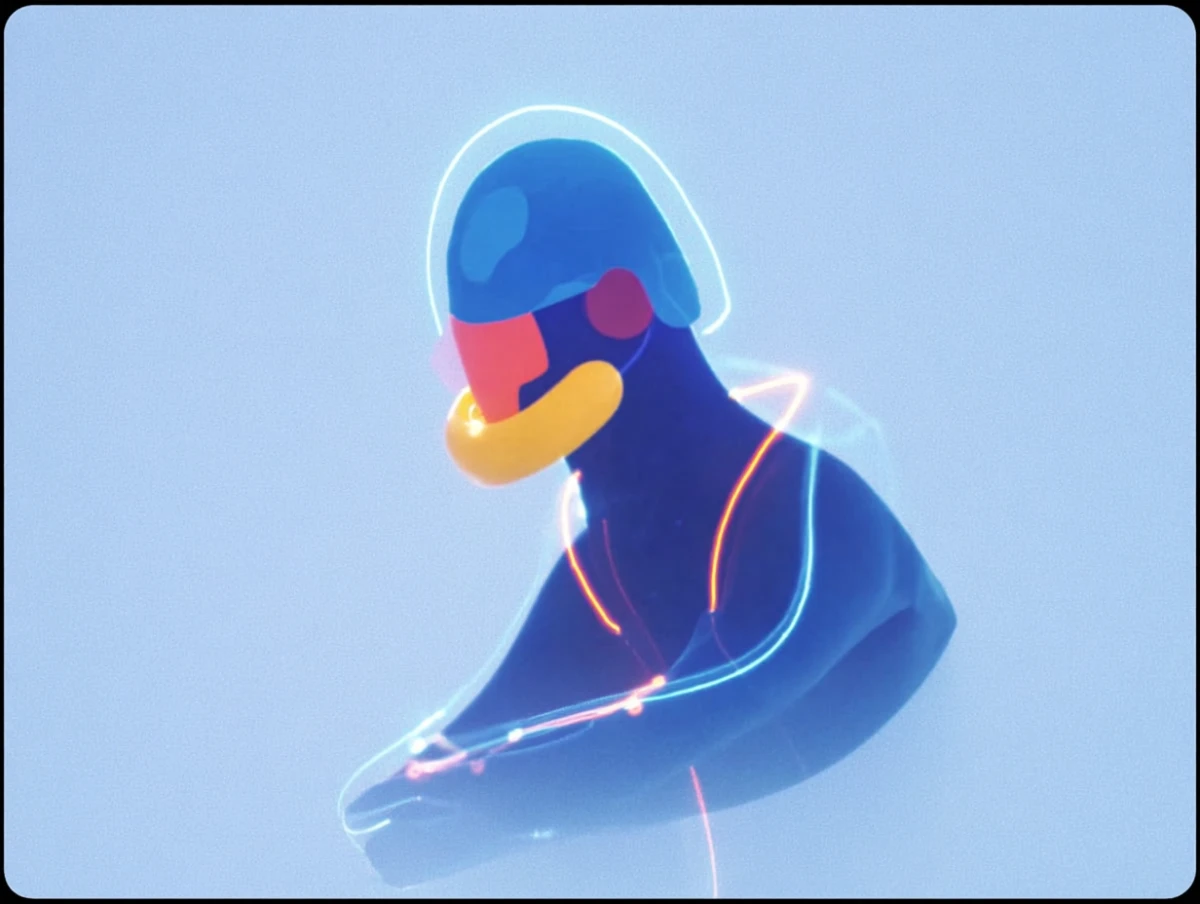
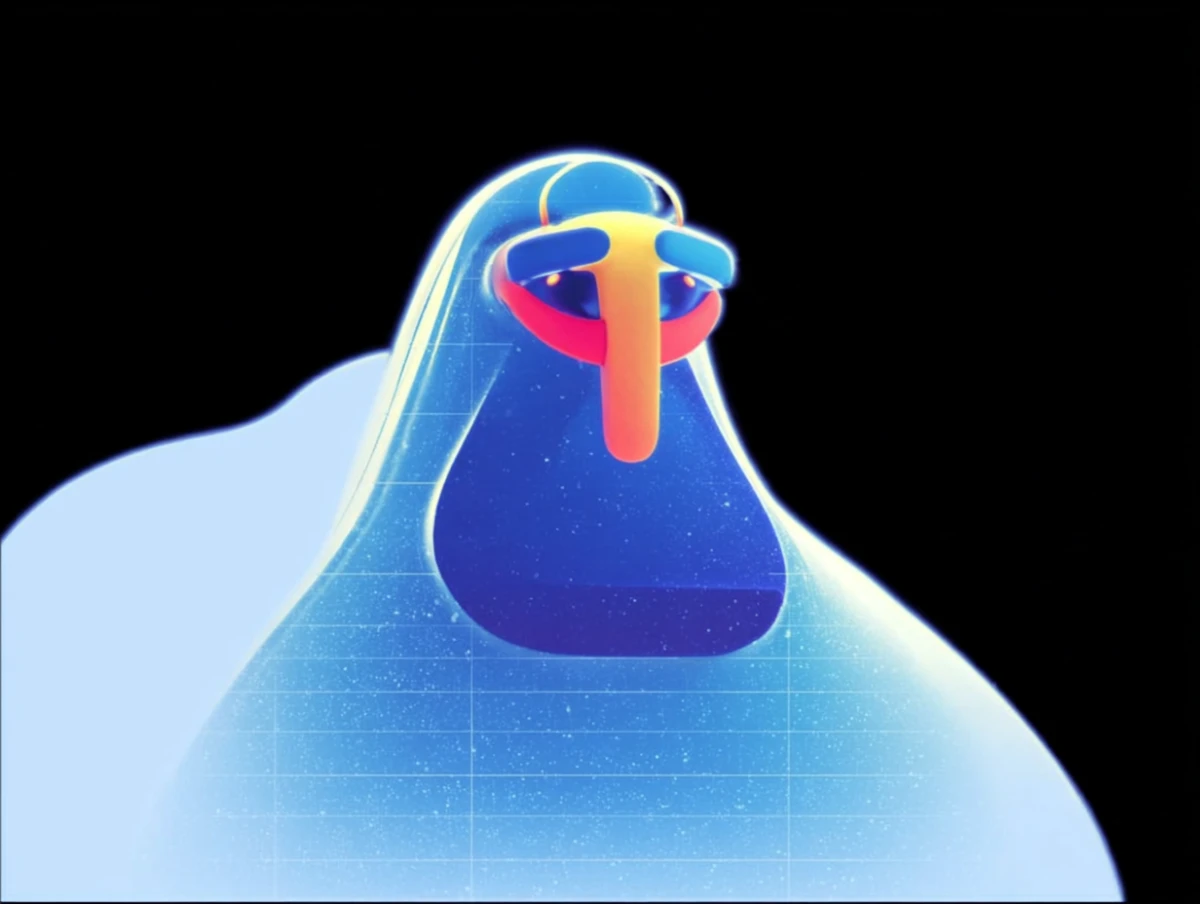
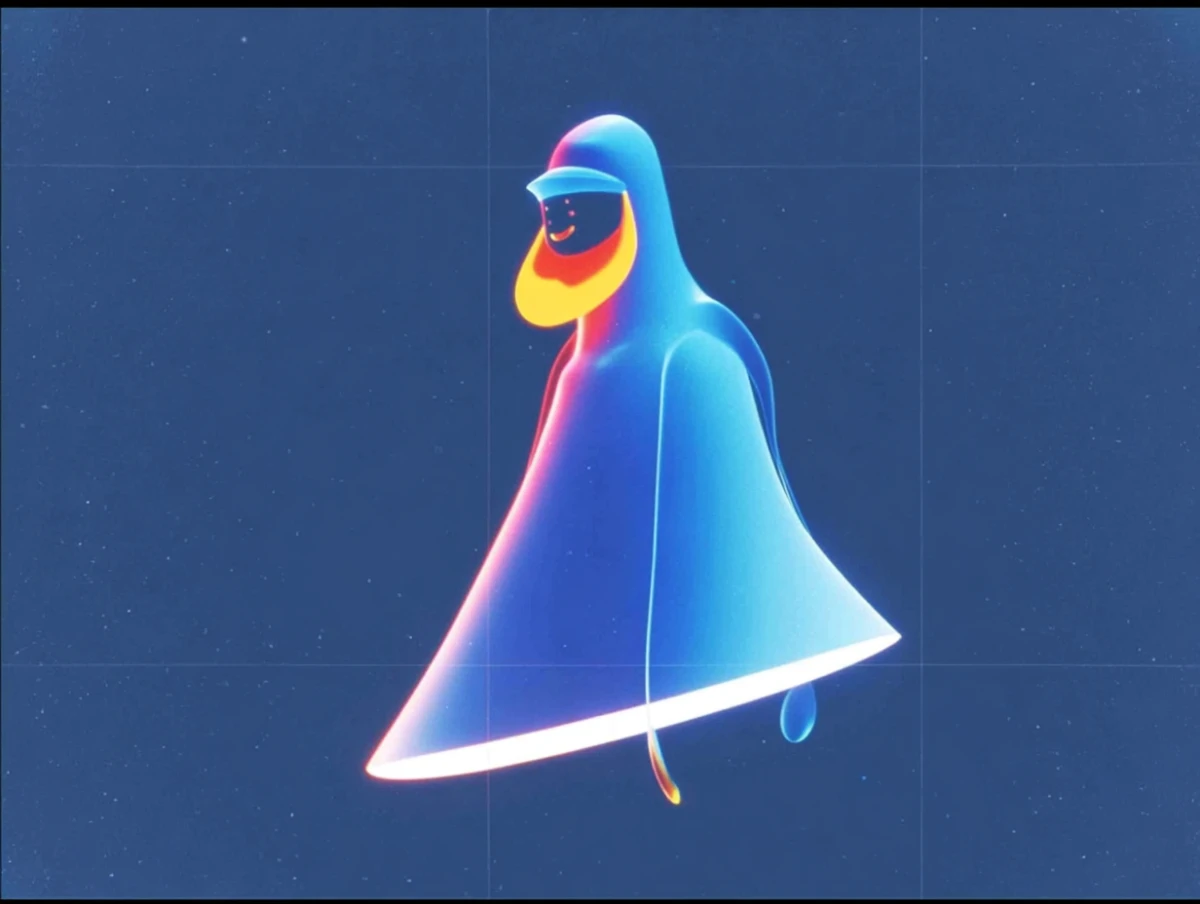
His use of color is central to this transformation. Across the series, cool electric blues dominate the body mass, while warmer notes, coral, amber, magenta, orange, ignite the face like concentrated emotion. The contrast creates an immediate hierarchy. The body reads as atmosphere, presence, or aura. The face reads as signal. Roman is not using color to imitate flesh. He is using color to map intensity. The result feels less like illustration and more like thermal psychology.
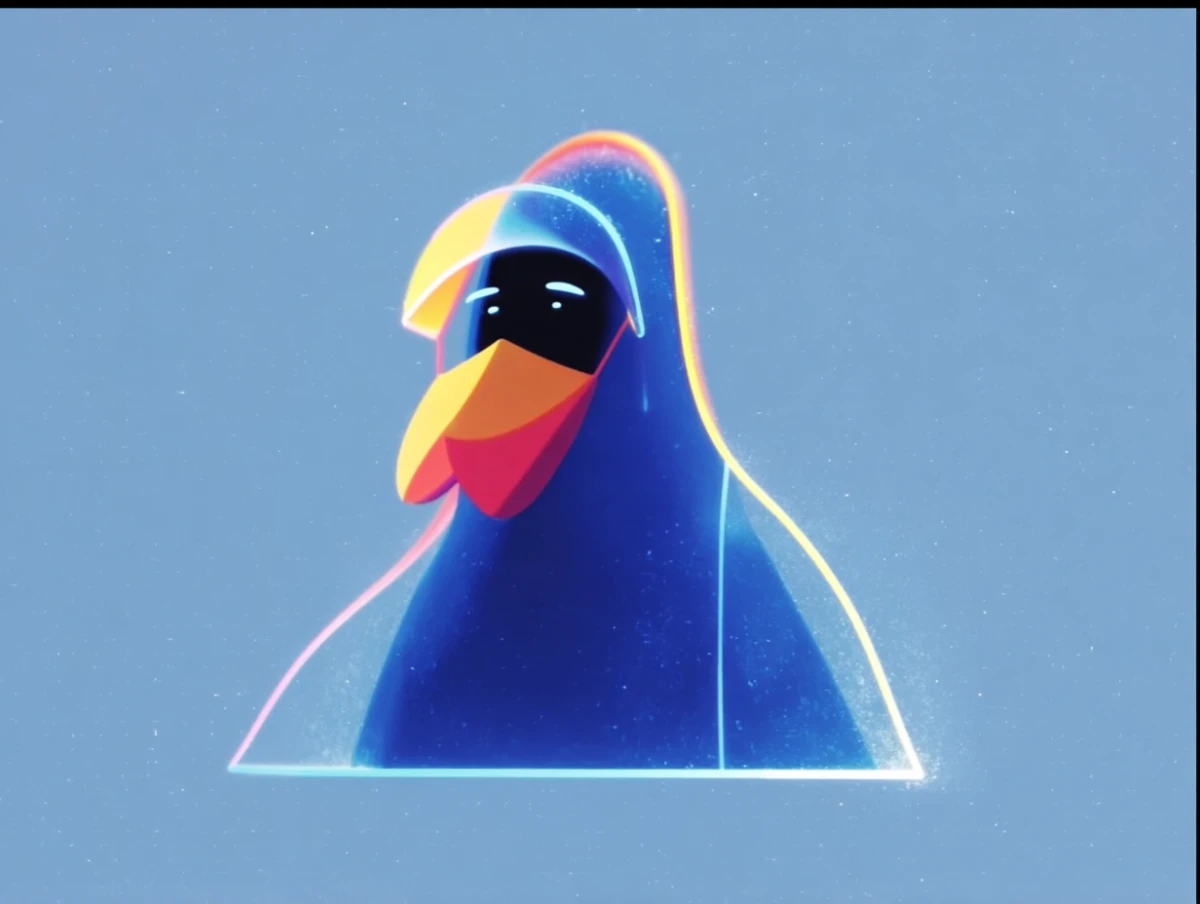
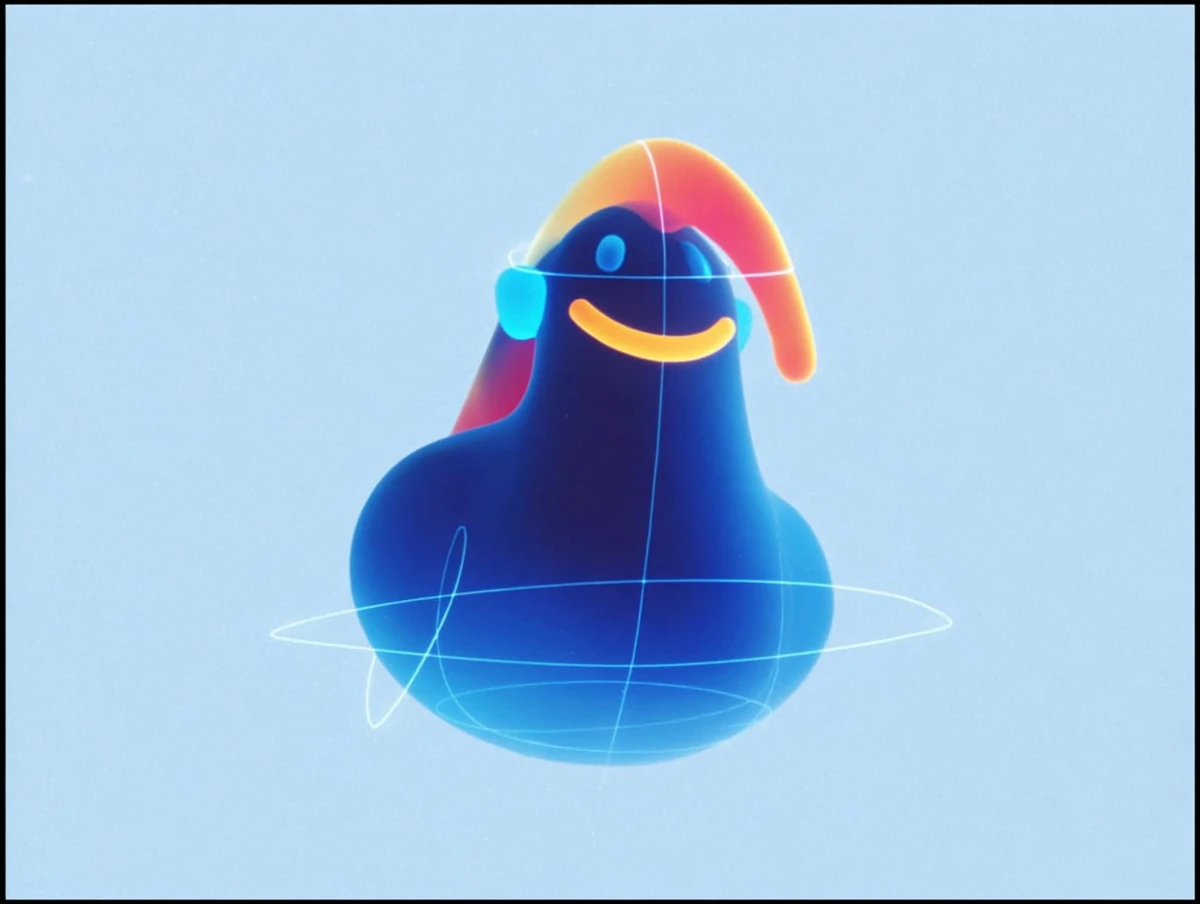
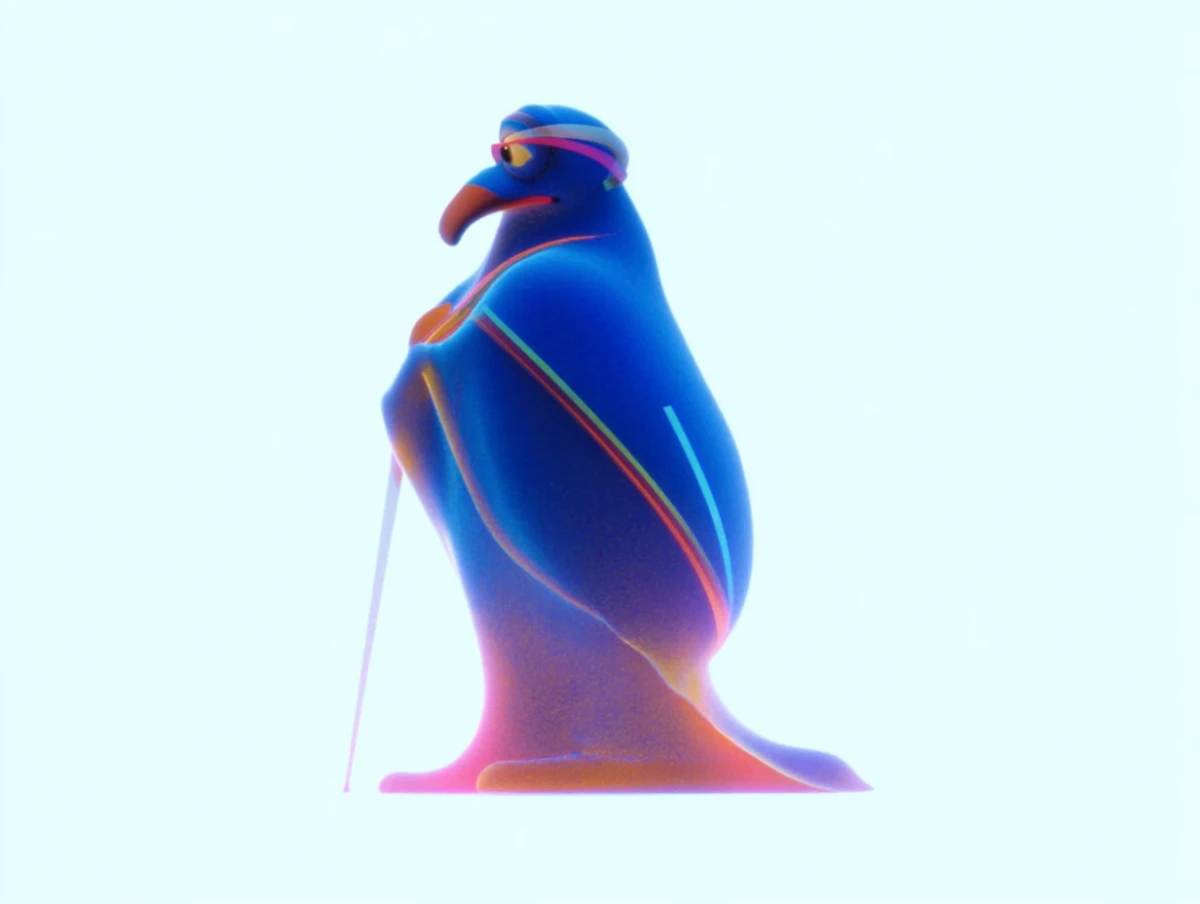
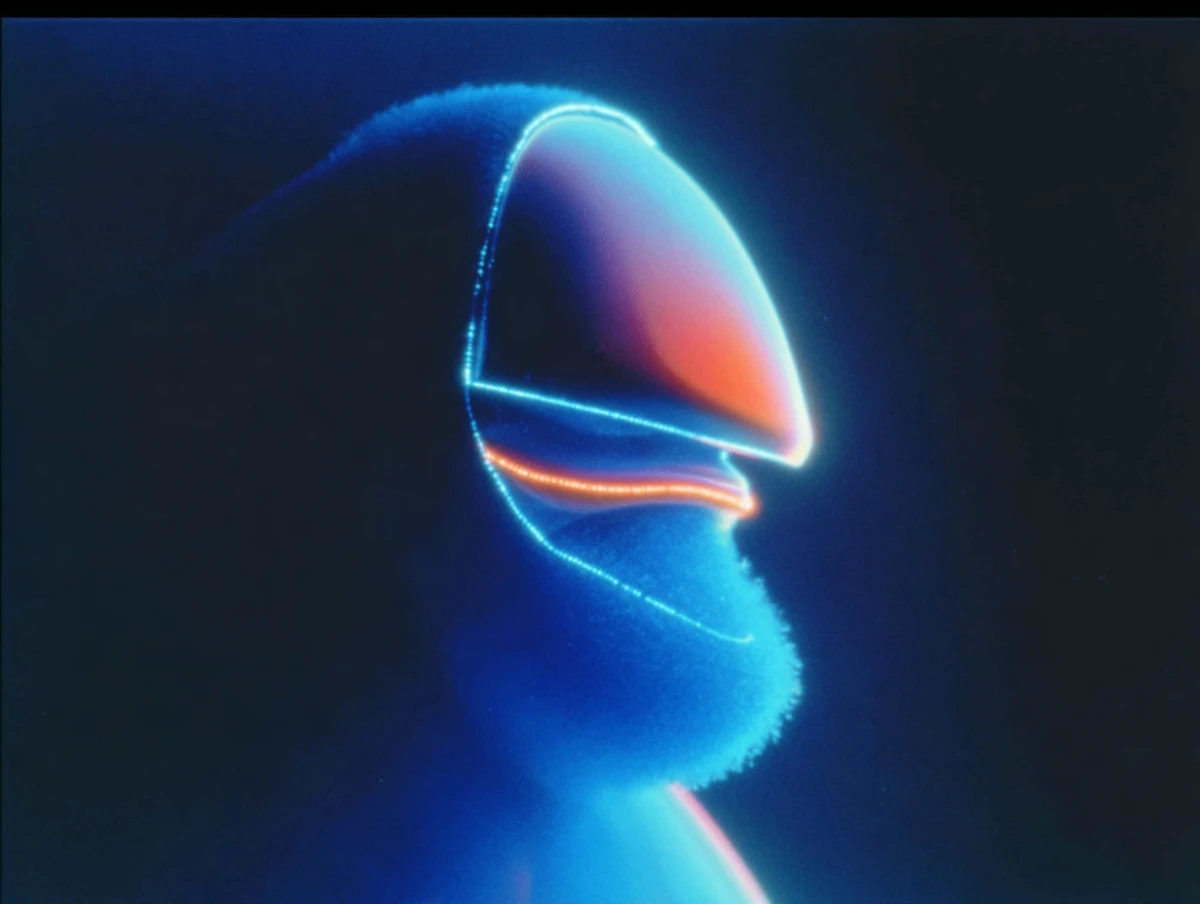
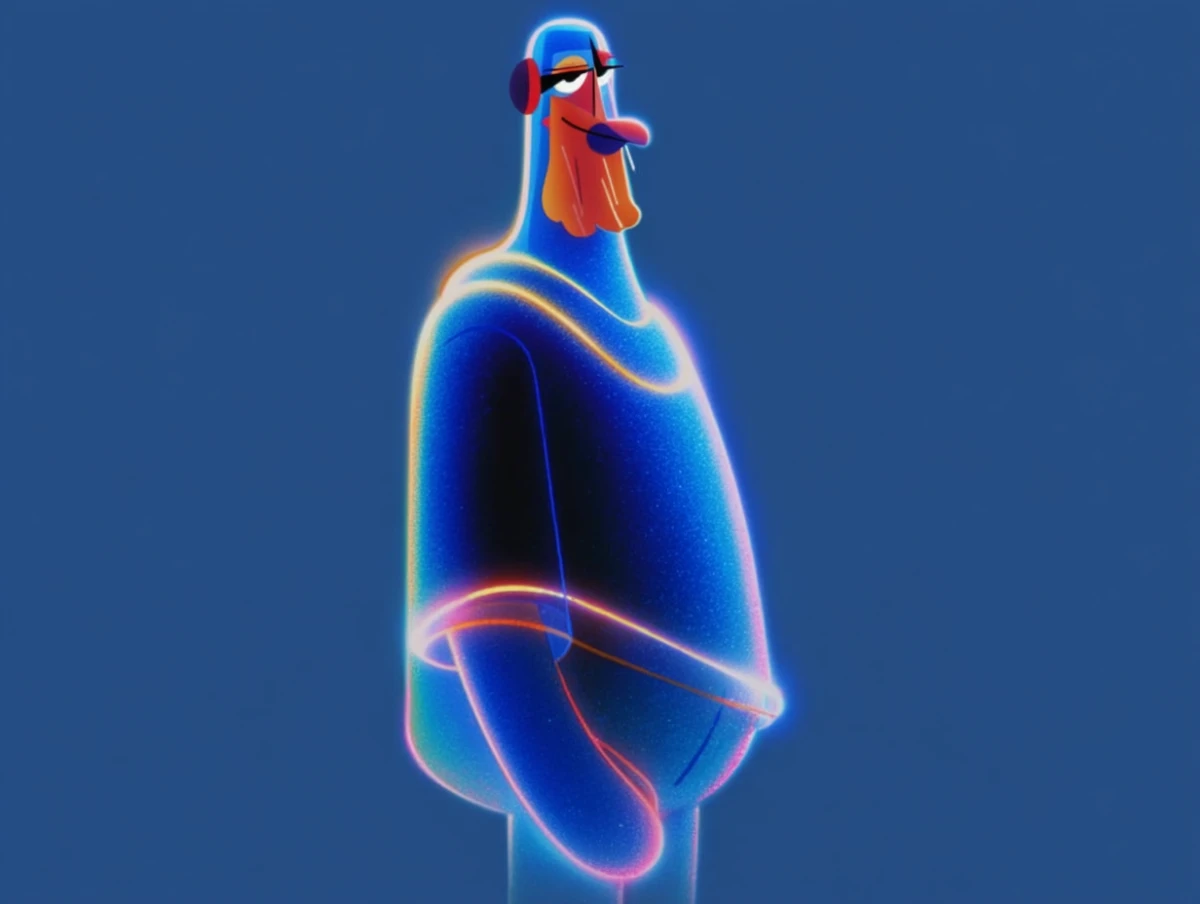
Just as important is the glow. These figures are lit from within and around, as if each one is emerging from a charged field rather than sitting passively on a background. Edges dissolve. Light bleeds. Grain softens the digital surface and prevents the images from becoming sterile. This is where Roman’s creative digital craft becomes especially persuasive: the work never collapses into flat vector design, even when the forms are radically reduced. It keeps a cinematic vibration, a sense that the figure is being discovered through atmosphere rather than merely outlined.
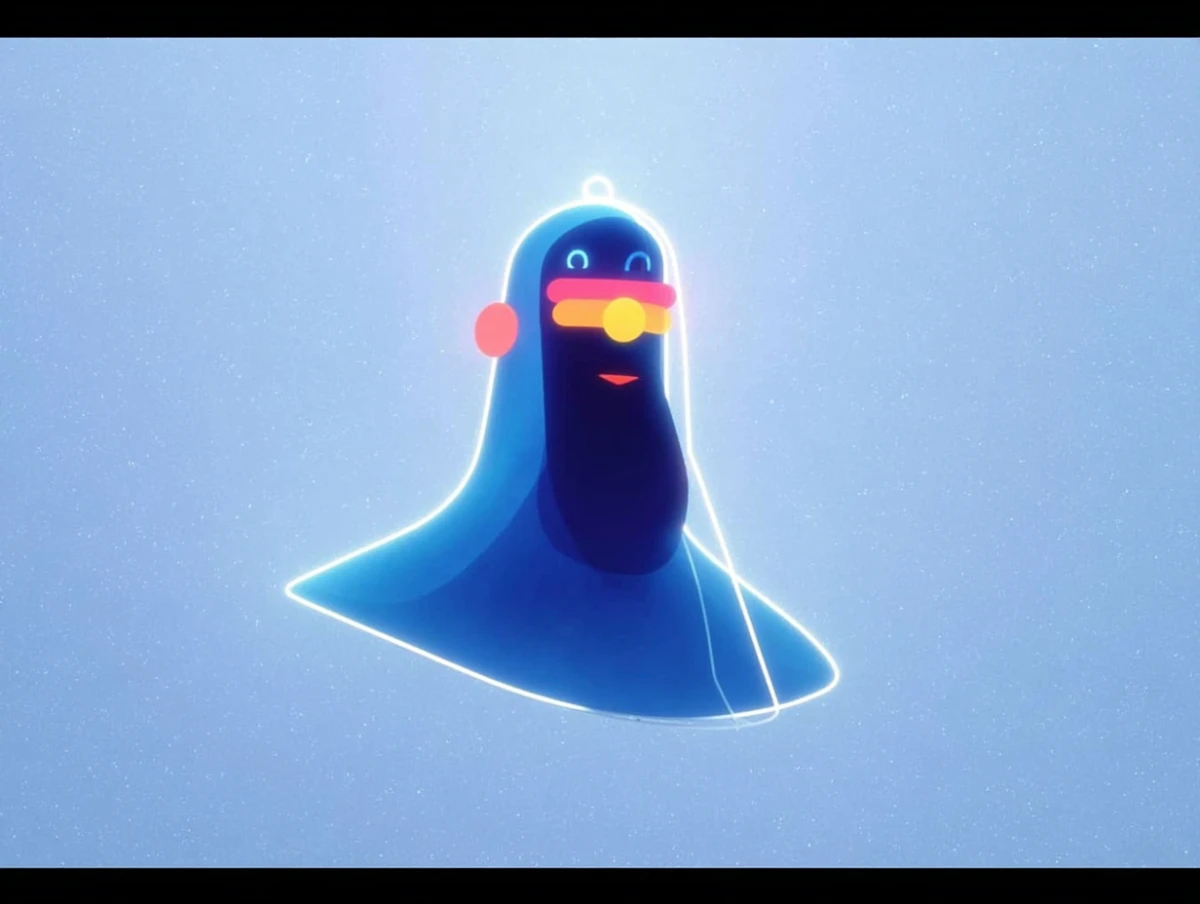
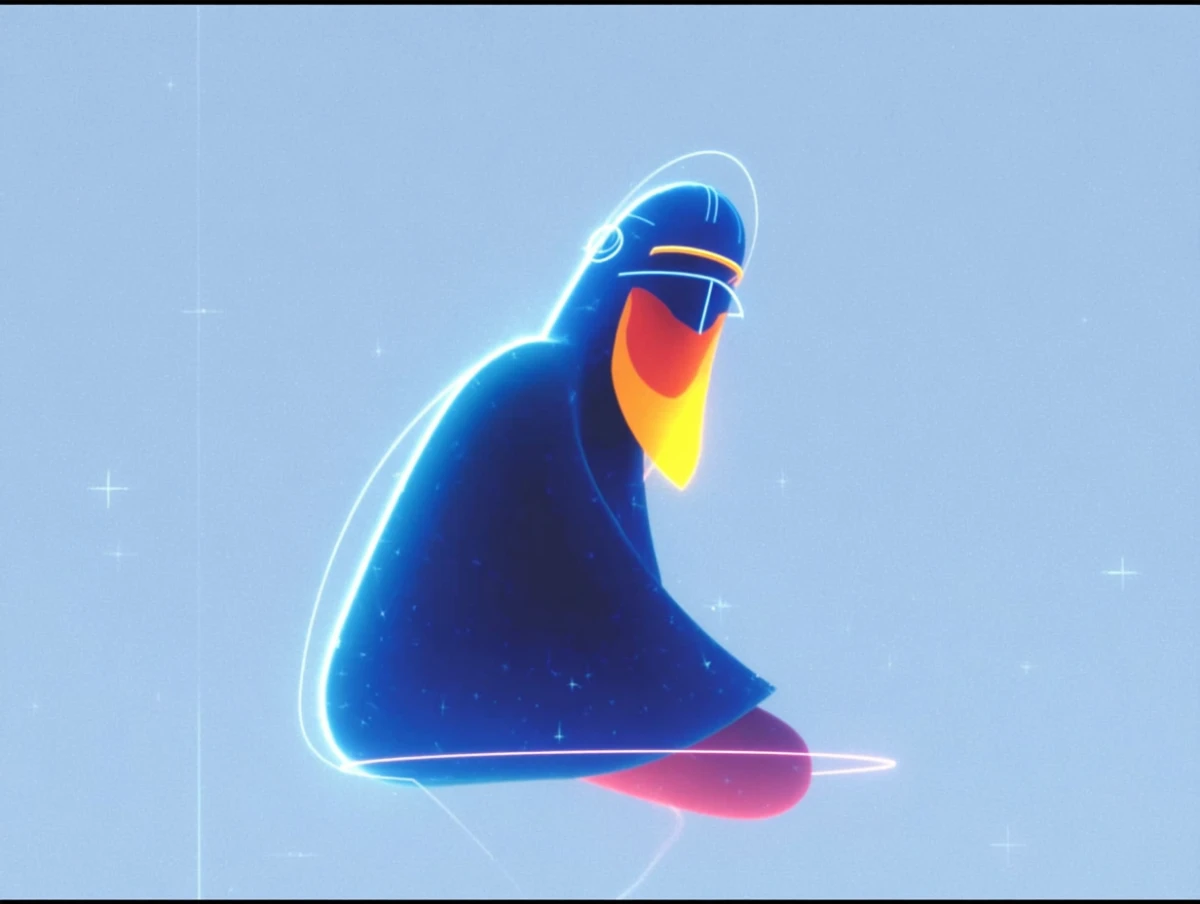

Several of the images also reveal faint construction lines, arcs, and contour traces. These are not just decorative marks. They are conceptual clues. They expose process without fully explaining it. They suggest that every figure contains a hidden 3D geometry, as if personality itself has an underlying draft. This is one of the most compelling aspects of the series. Roman lets us see the ghost of design inside the finished image. The person is present, but so is the blueprint of the person.
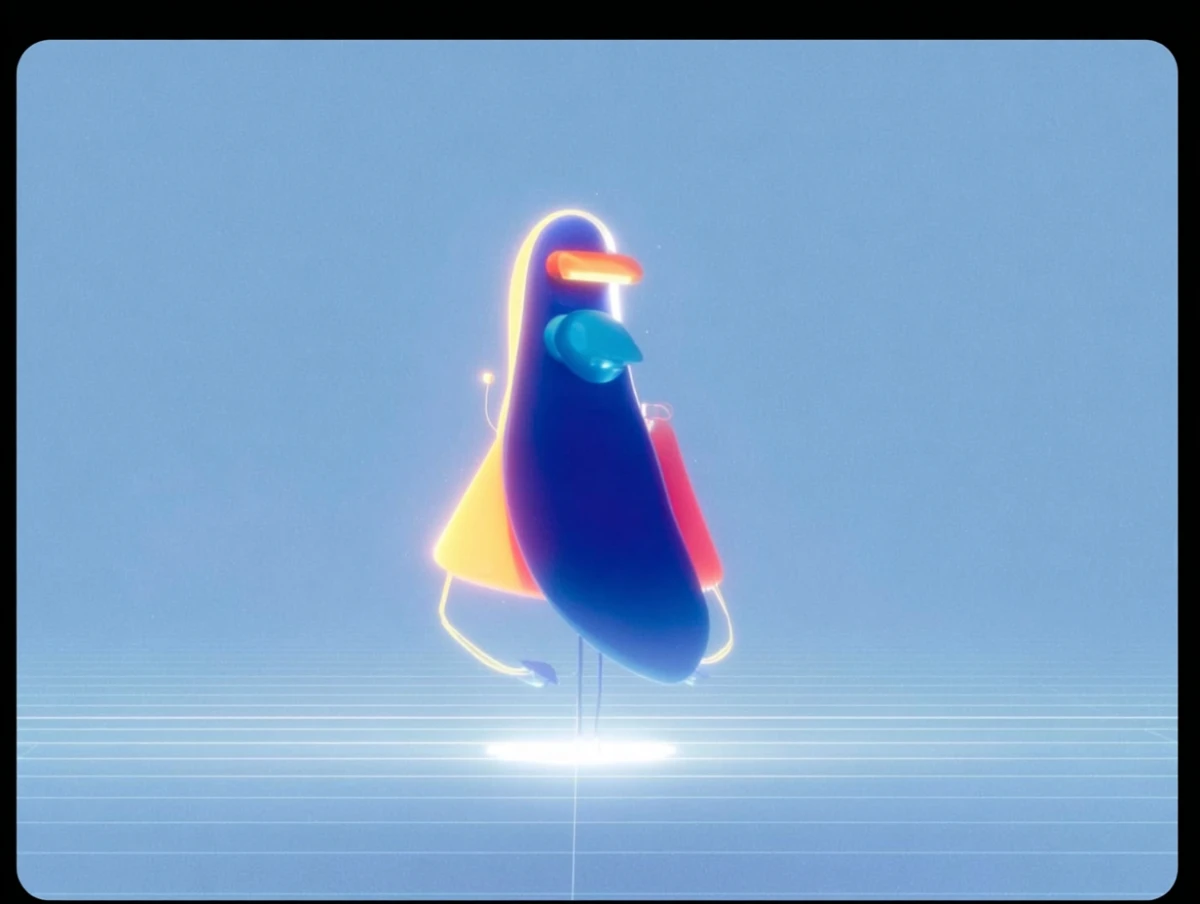
That is why these works feel more powerful than stylized character studies. They sit in a rare space between painting, design, and visual thinking. They borrow the reduction of graphic art, the glow and timing of digital cinema, and the structural logic of architecture. Roman is not interested in the human figure as a stable object. He is interested in how little is needed before a human presence becomes undeniable.
And that may be his most impressive skill of all.
He turns people into symbols without draining them of feeling.
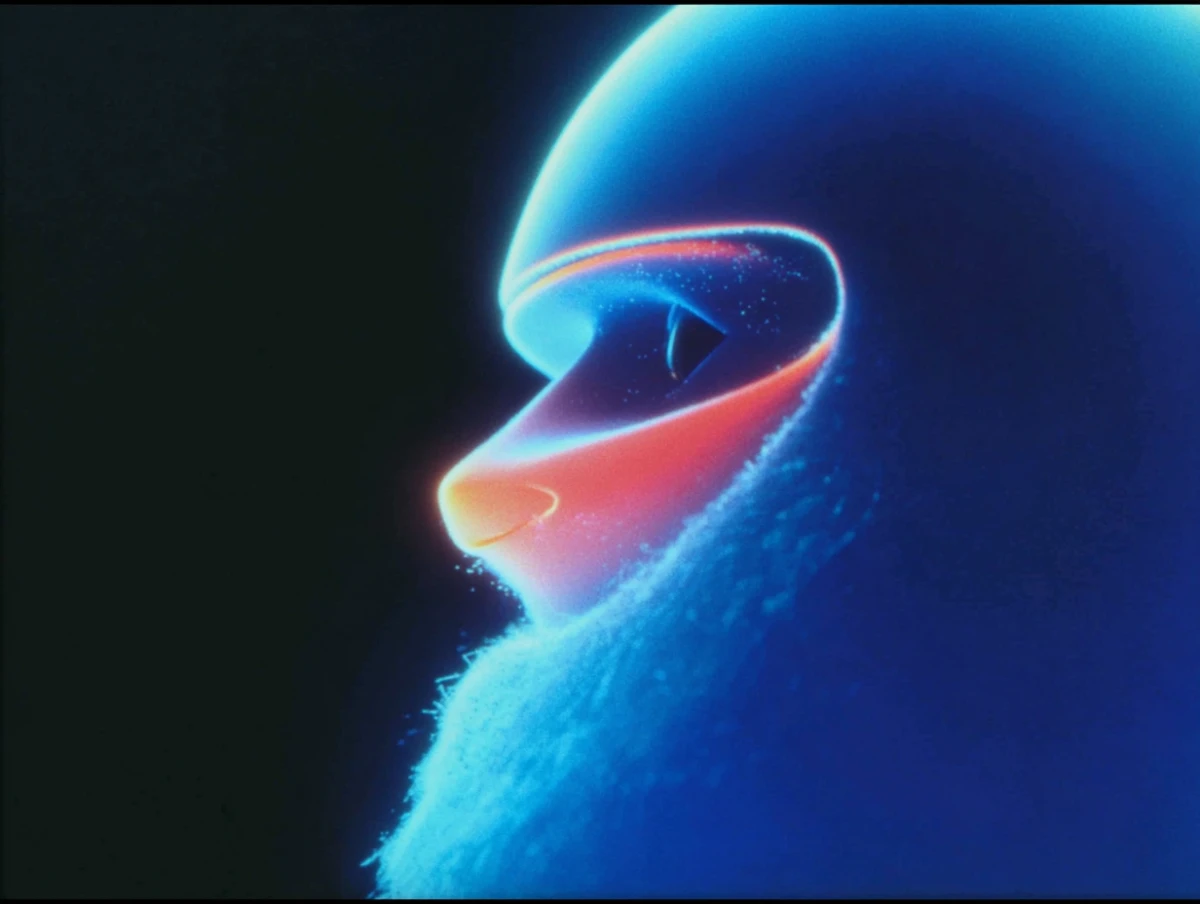
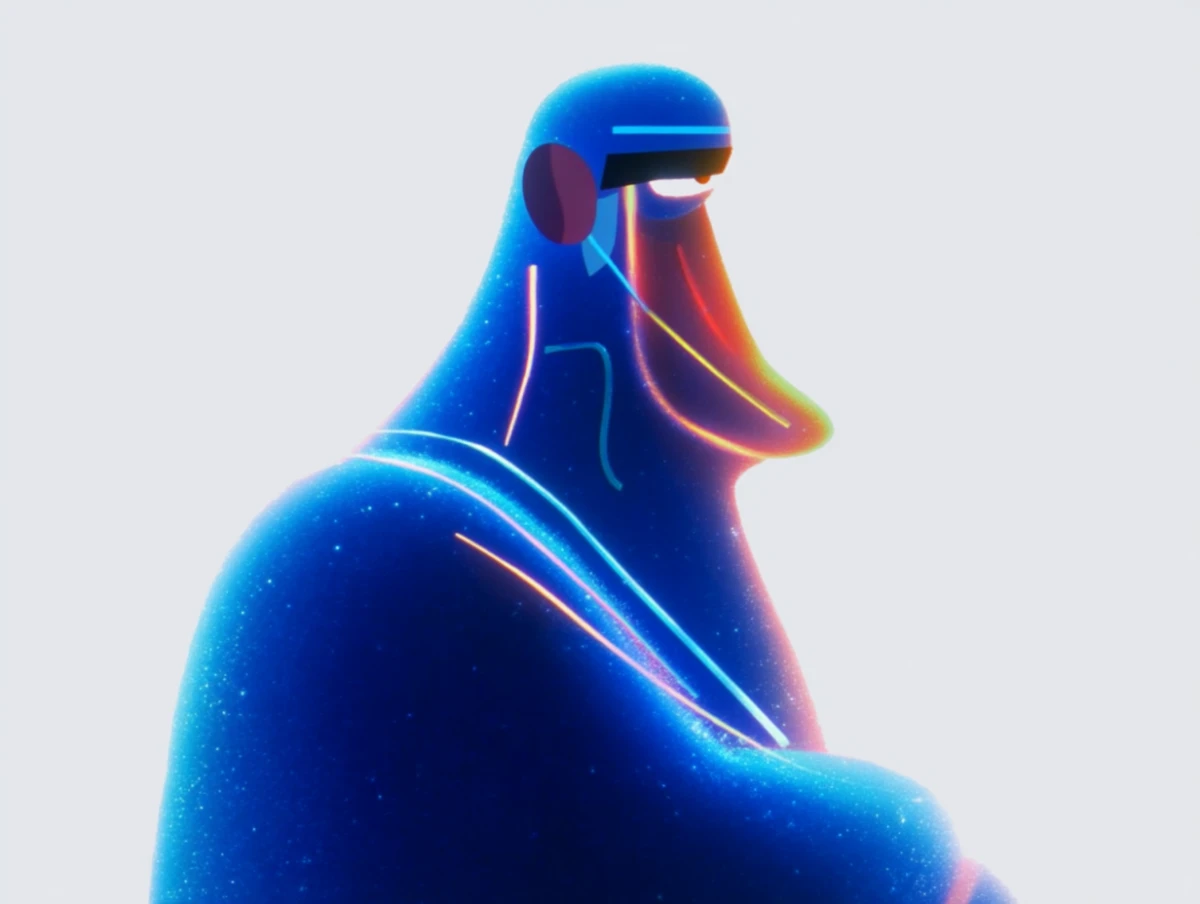
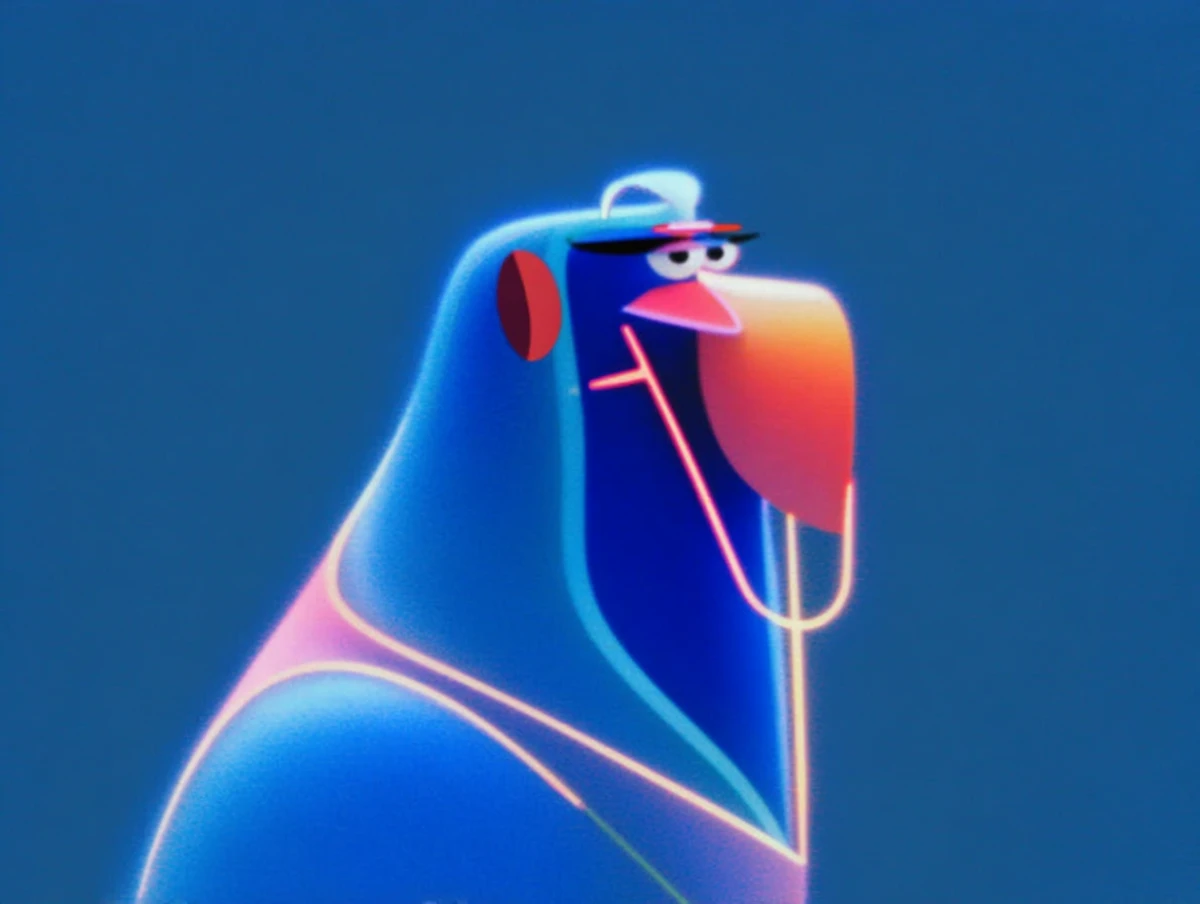
In weaker hands, abstraction can flatten a face into a logo. Here, abstraction does the opposite. It sharpens character. A monumental blue head with two dark eyes and a single ribbon-like feature suddenly feels watchful, strange, and vulnerable. A severe angular figure with a blade-like nose feels theatrical and aloof. Another character, assembled from hovering bands and soft contours, feels almost unfinished, yet deeply alive. Roman proves that resemblance is not the highest form of portraiture. Presence is.
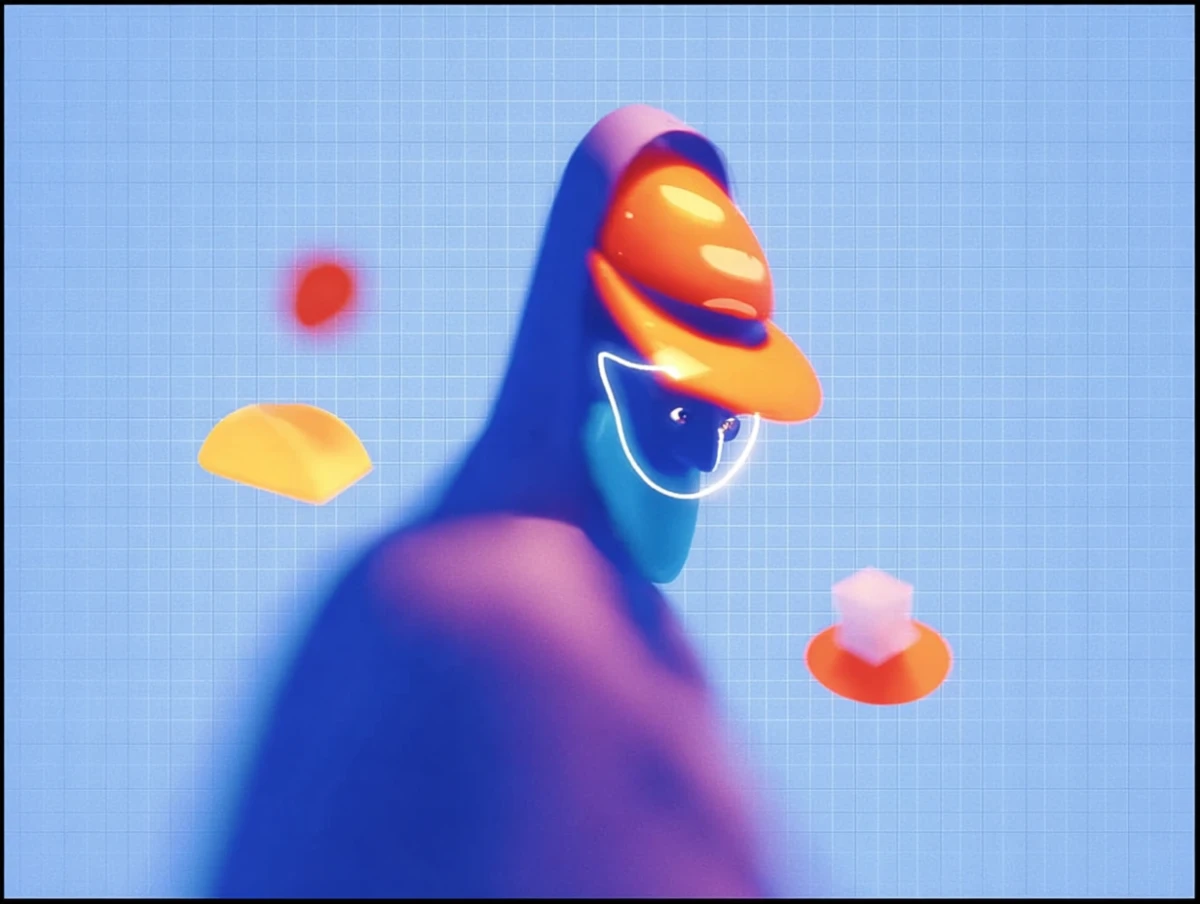
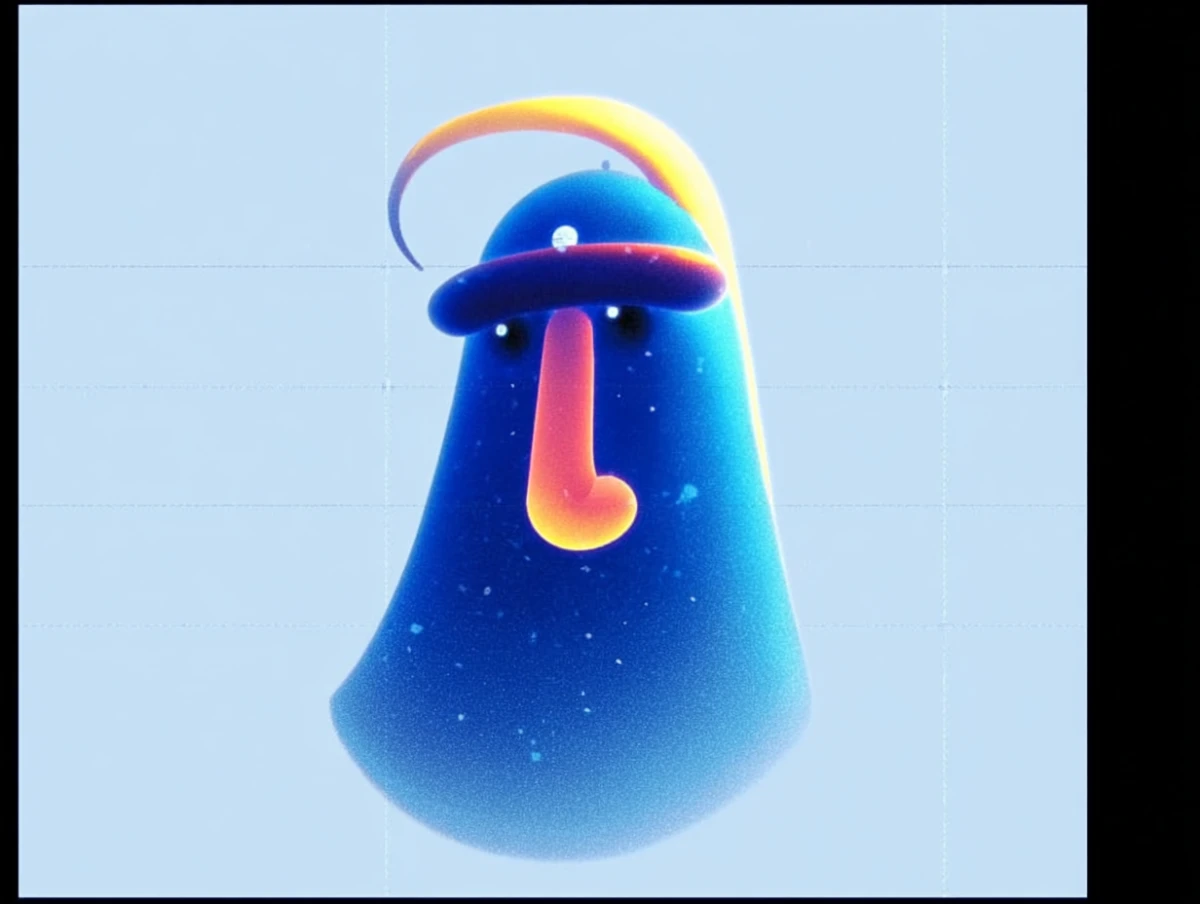
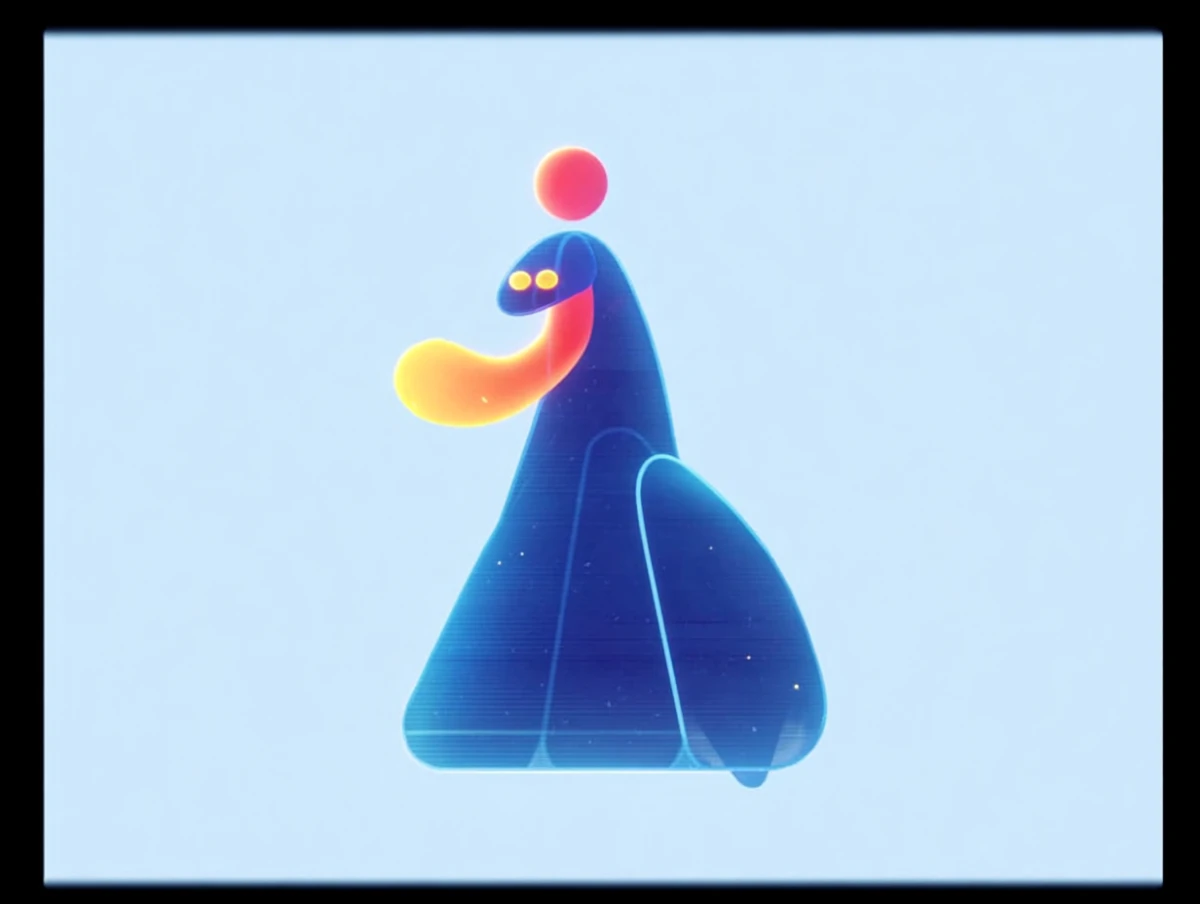
What makes this body of work memorable is that it does not ask the viewer to admire technical polish alone. It asks the viewer to recognize a more radical proposition: that the human figure can be rebuilt through rhythm, geometry, and light, and still remain human. Perhaps even become more human, because what remains is essence rather than surface.
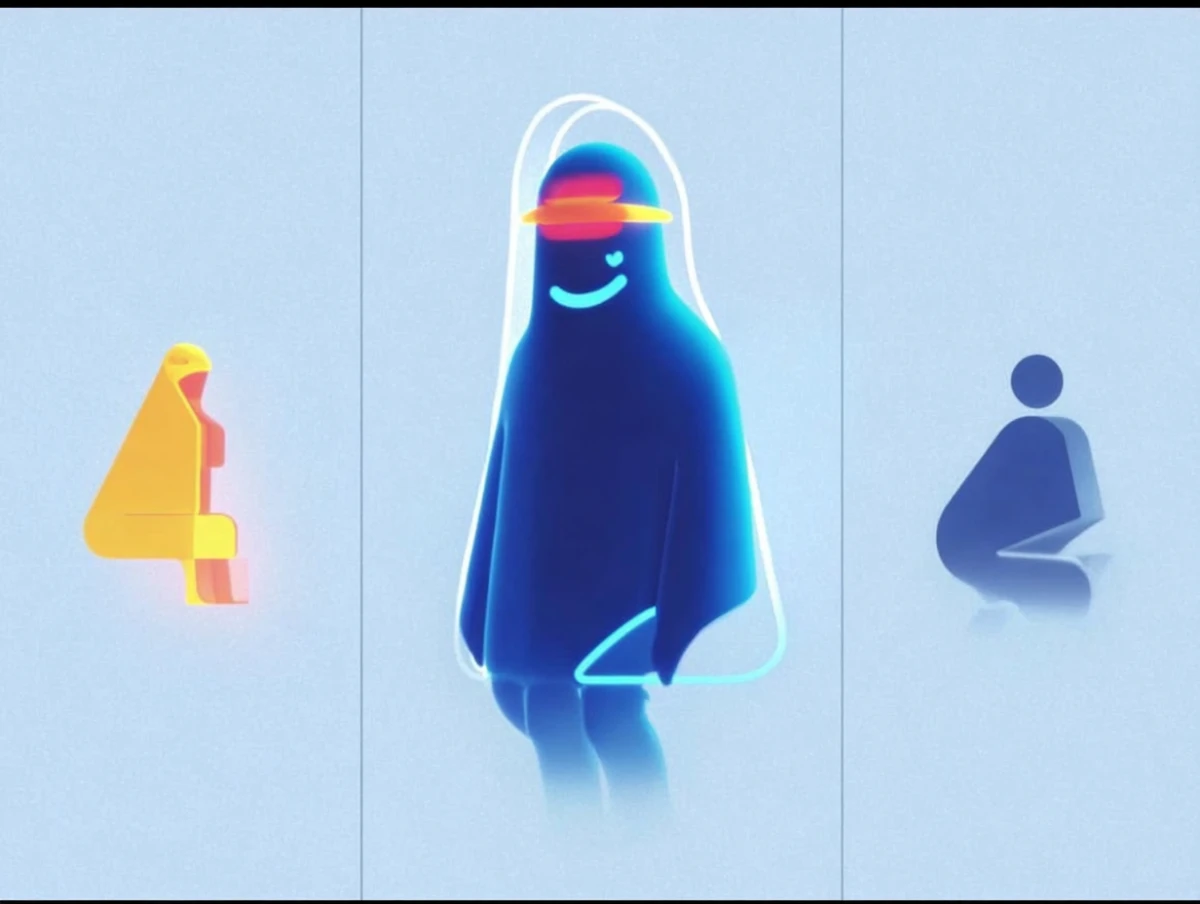
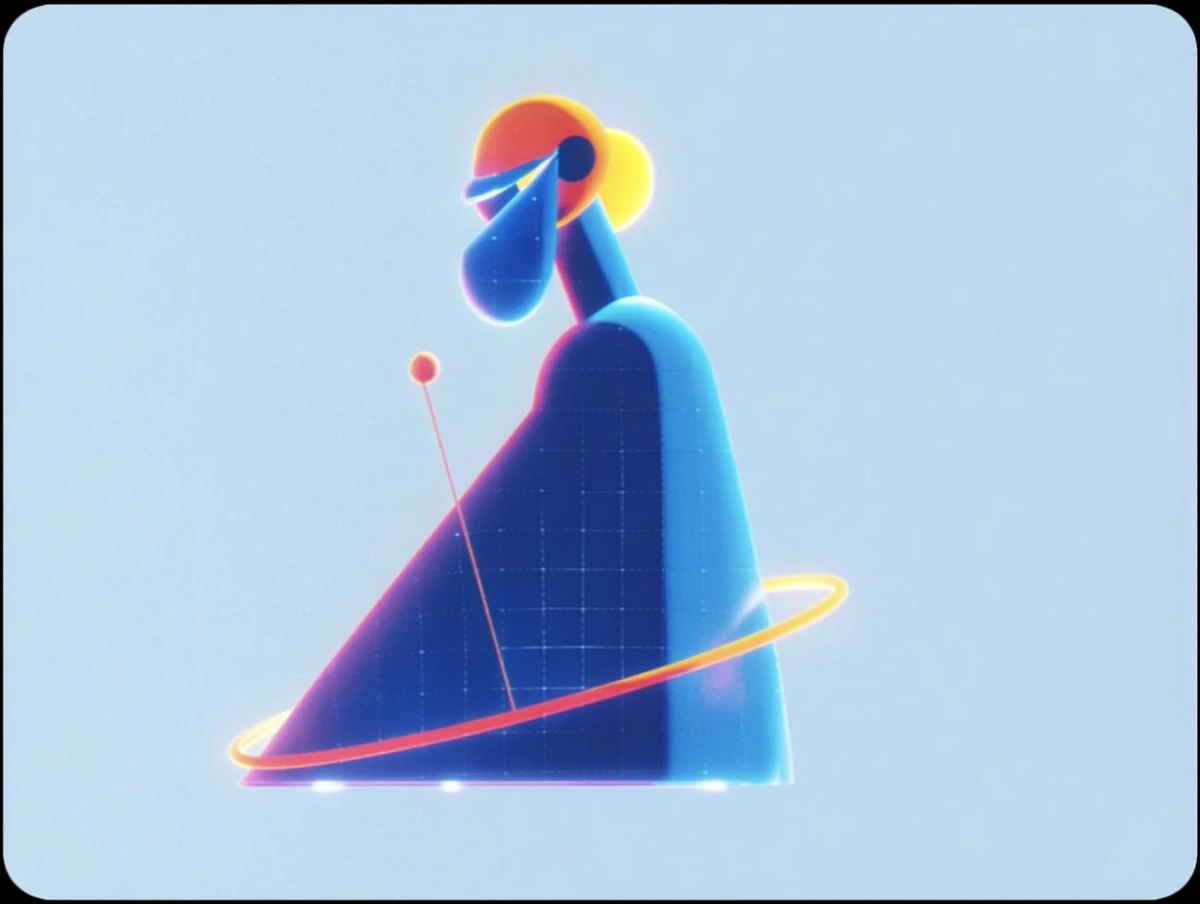
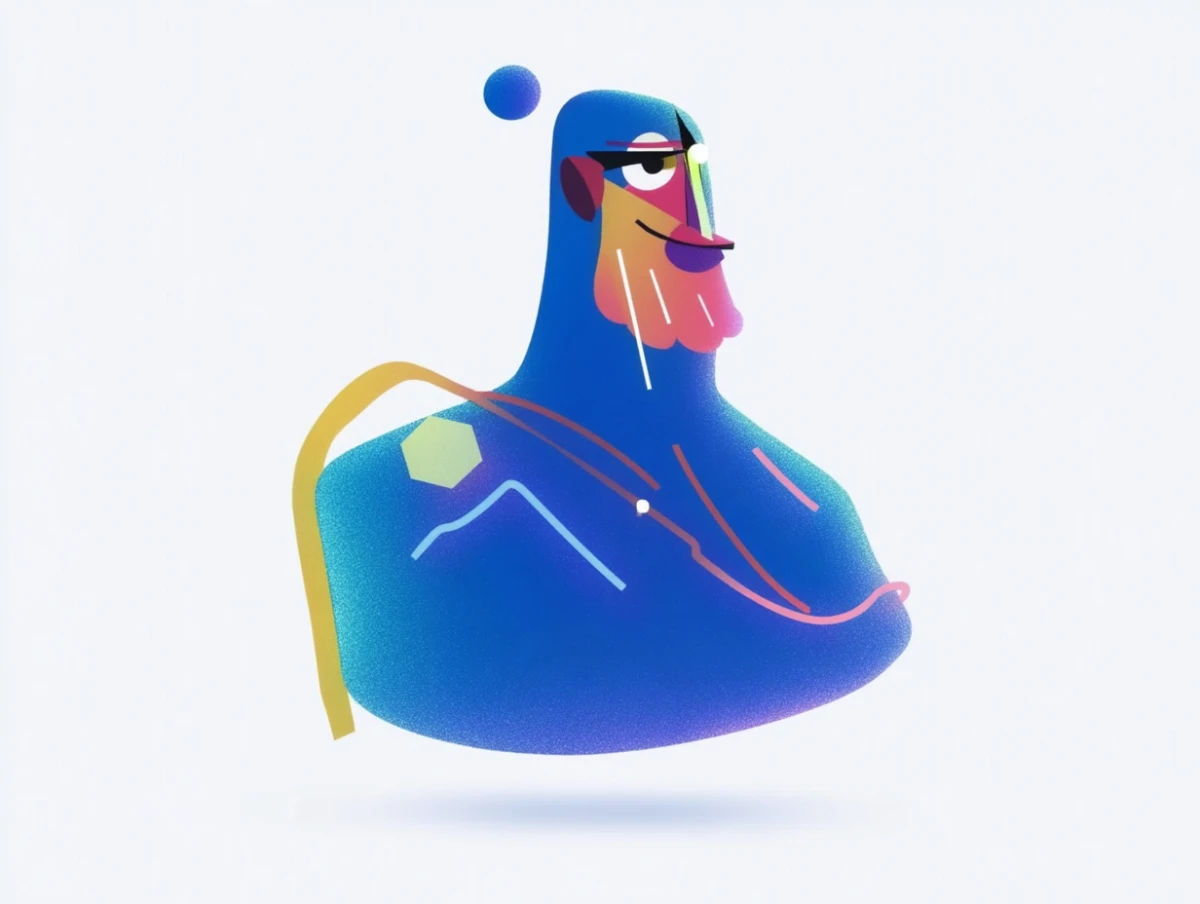
Alex Roman’s art stands out not because it imitates people so well, but because it dares to translate them. He compresses flesh into form, expression into color, and personality into structure. The result is a visual language in which a person can feel monumental, comic, mysterious, and intimate at once.
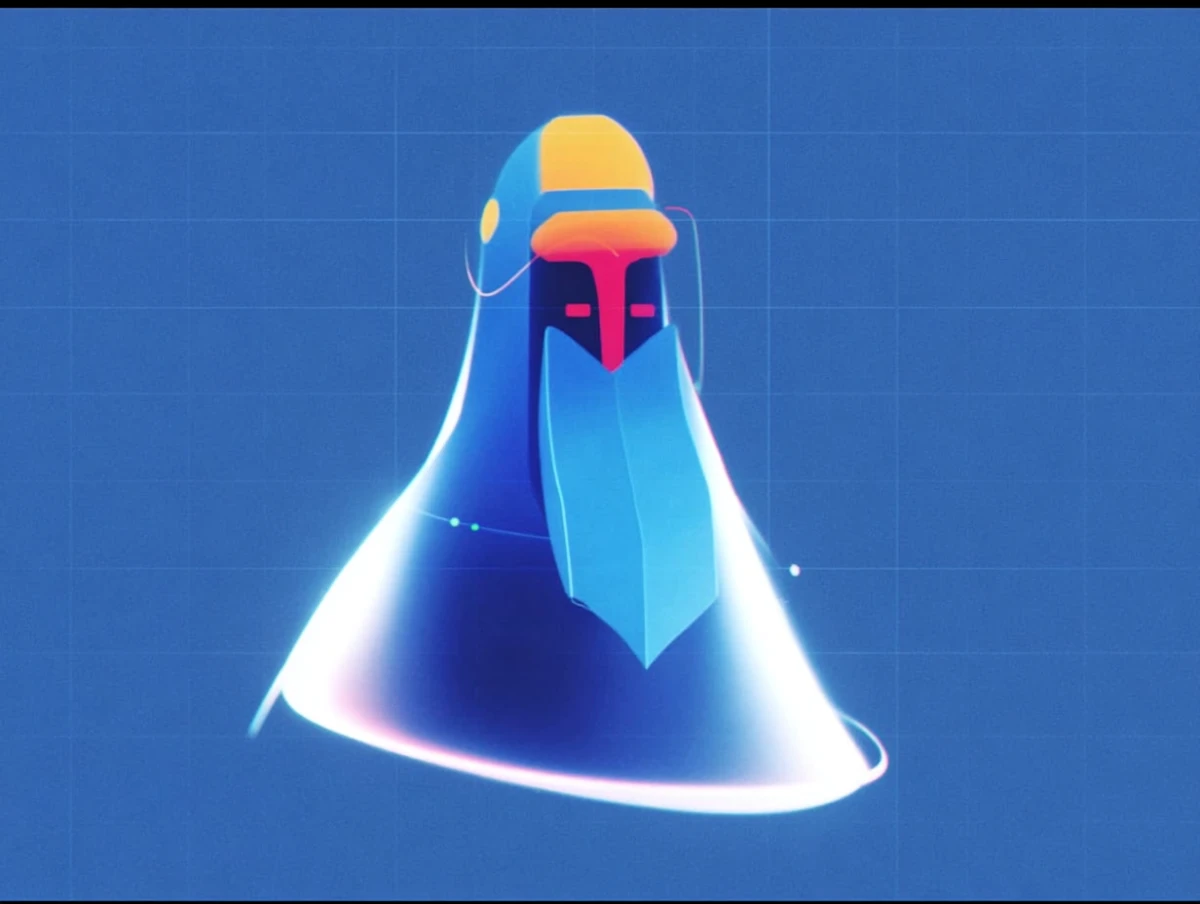
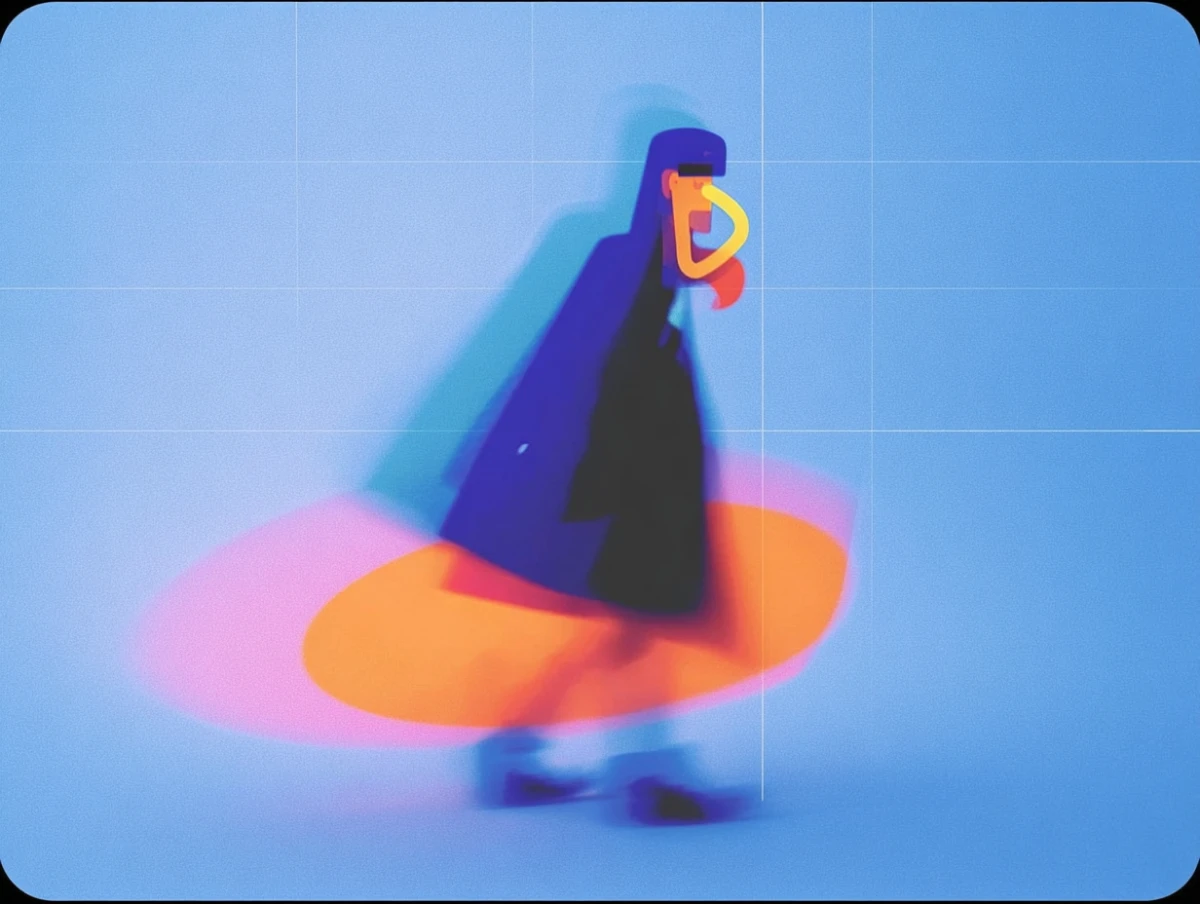
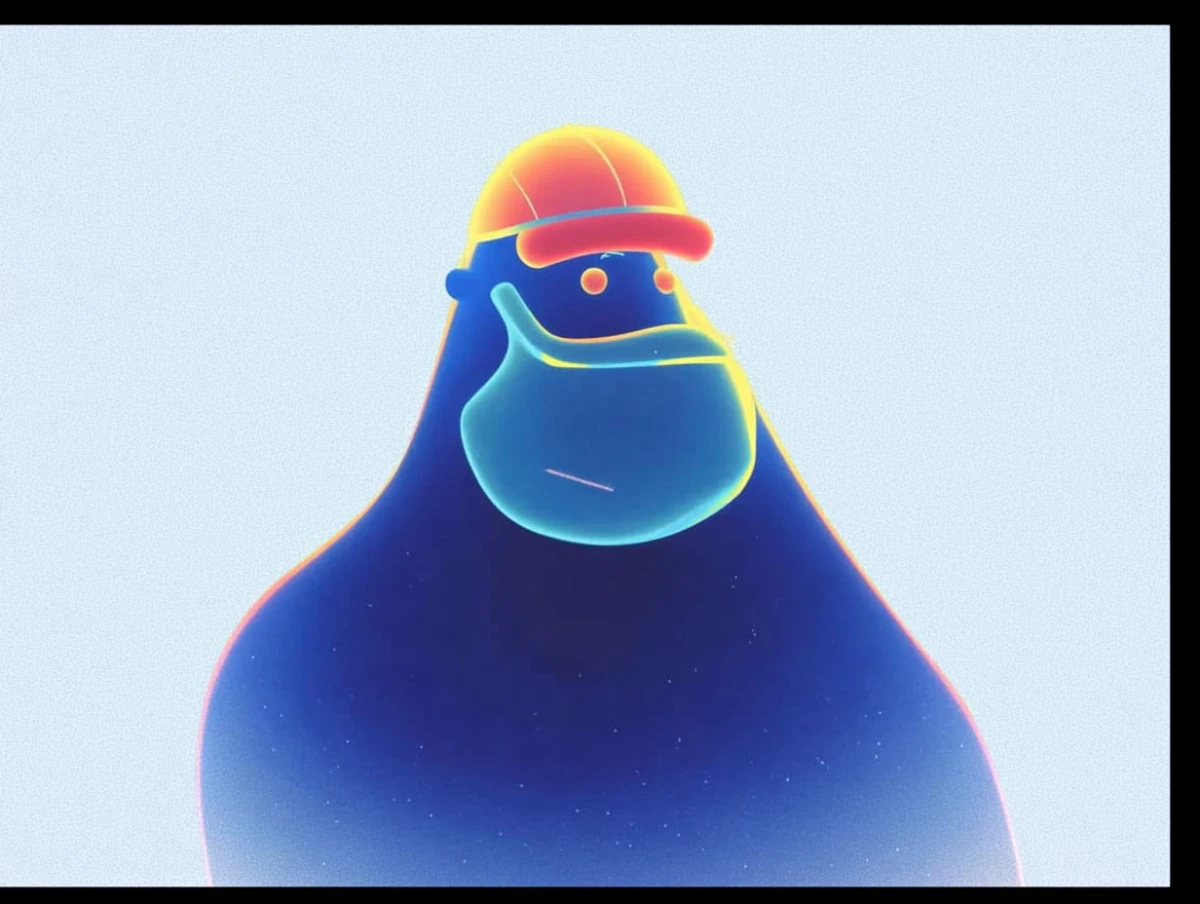
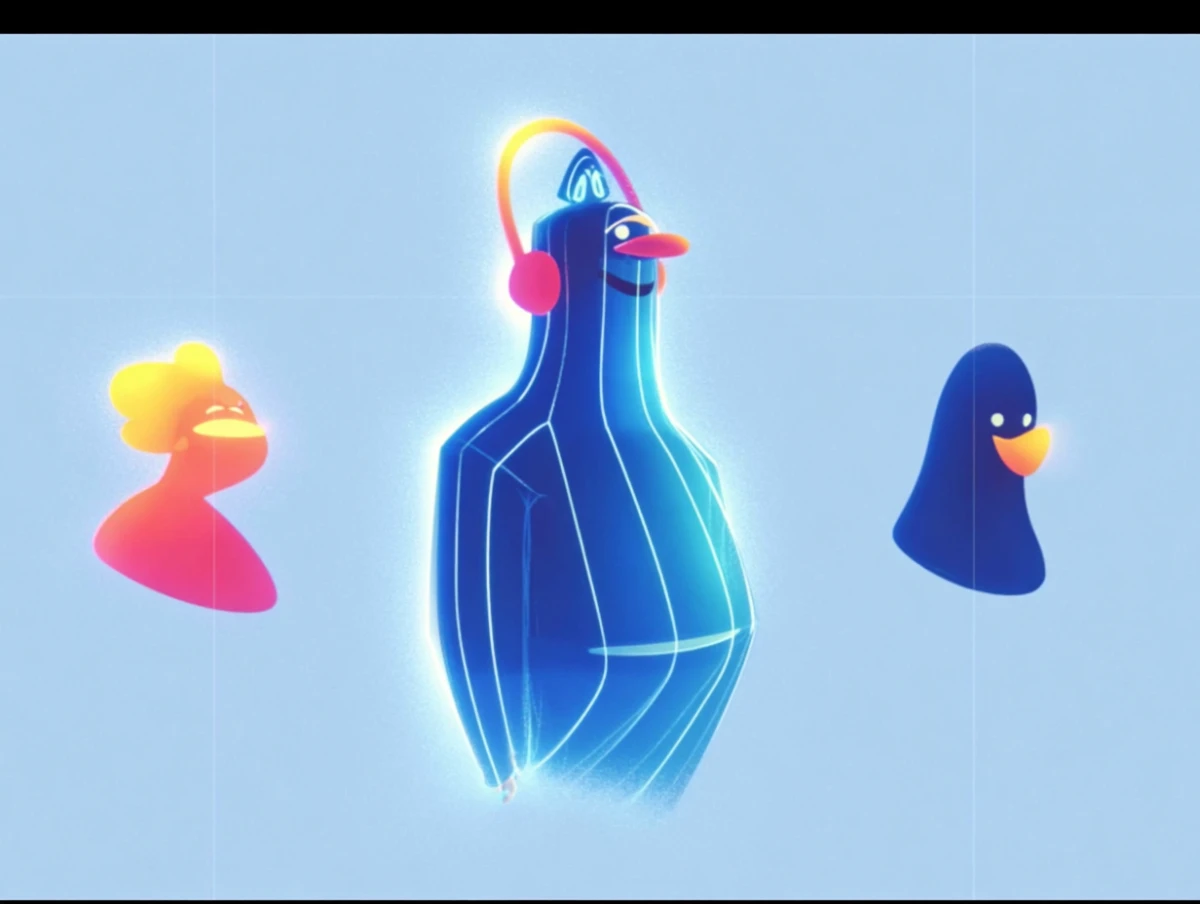
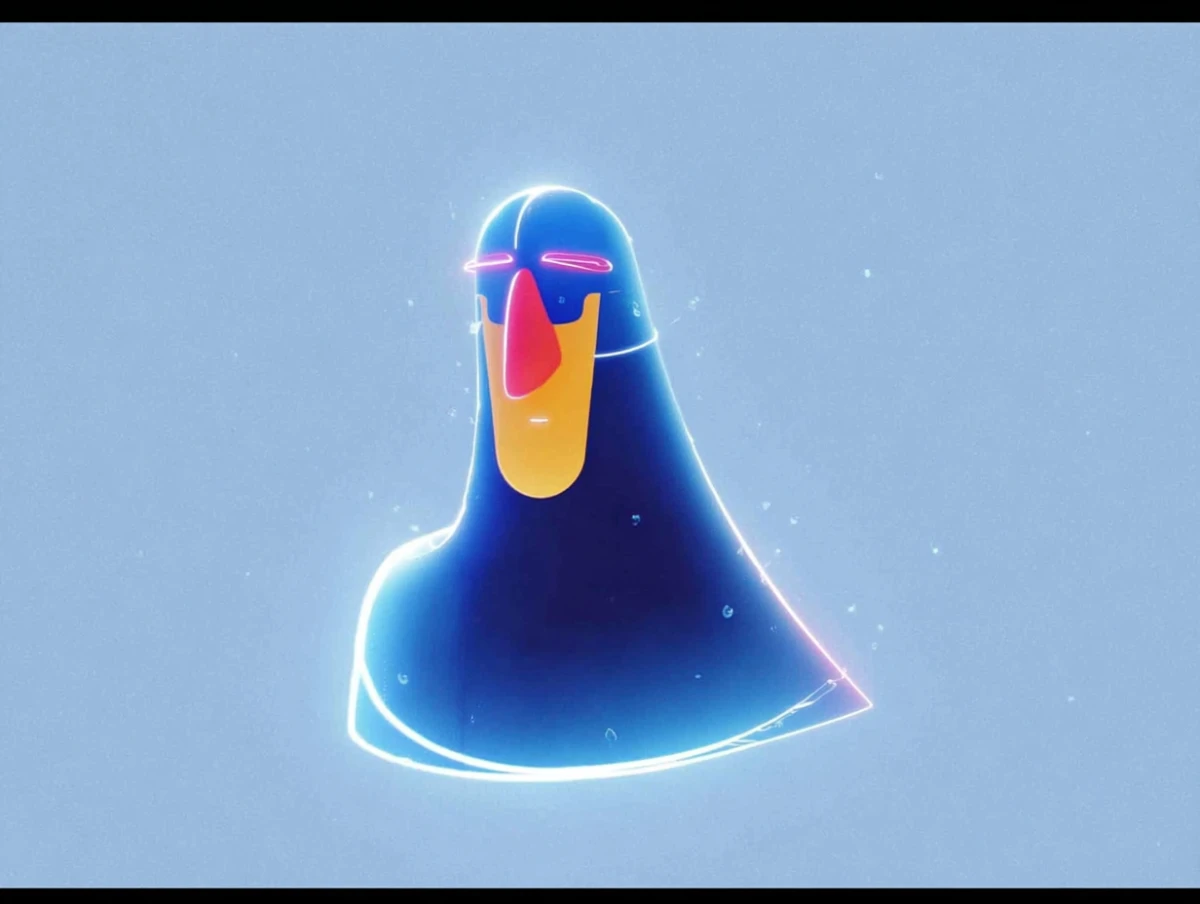
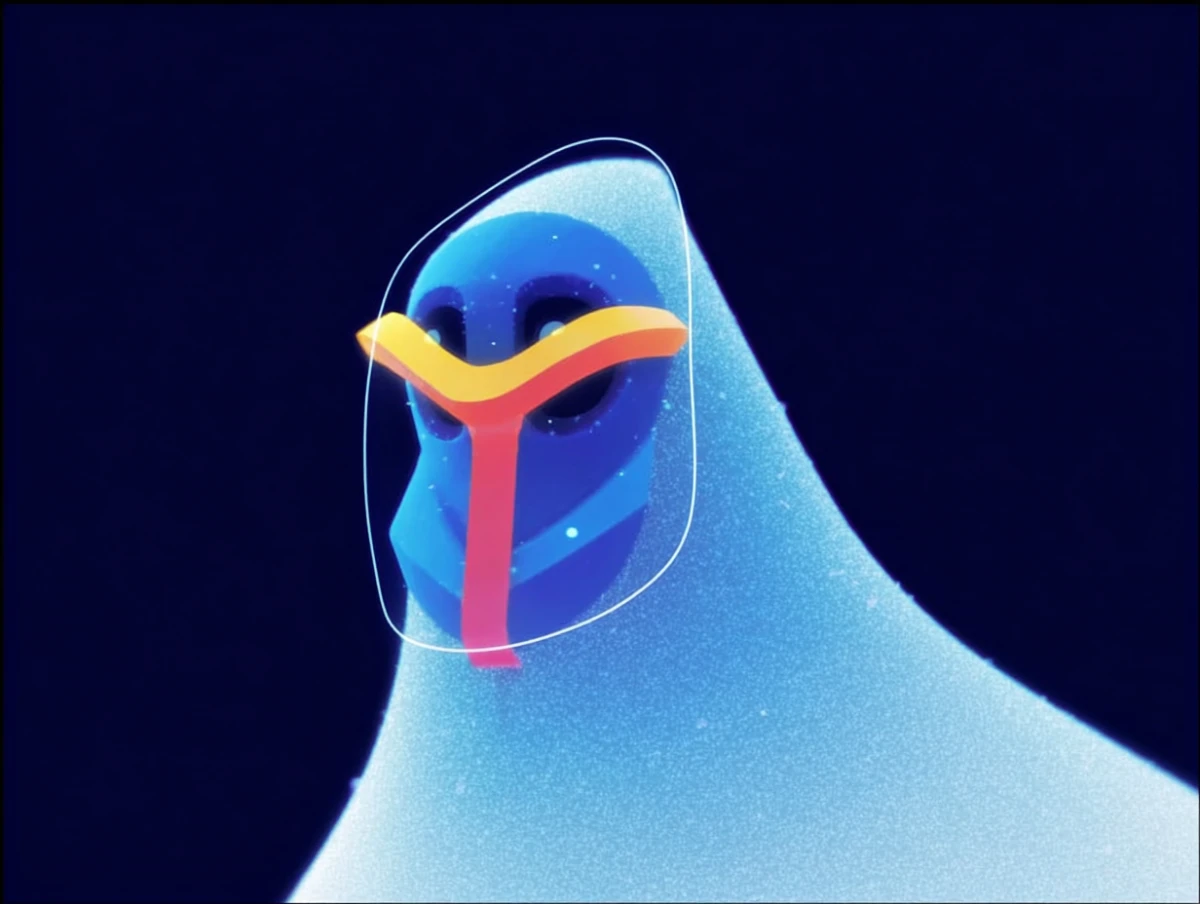
Roman’s figures feel as though they have been carved from atmosphere rather than drawn from observation. Their blue bodies carry the calm weight of monoliths, while their mouths, noses, eyelids, and brows flare in pink, amber, orange, and gold like emotional circuitry laid across stone. These are not decorative choices. Color here does the work that expression usually does. A warm curve becomes irony. A sharp glowing beak becomes suspicion. A floating lip becomes tenderness, vanity, fatigue, or theater. In Roman’s hands, color is not cosmetic. It is psychological architecture.
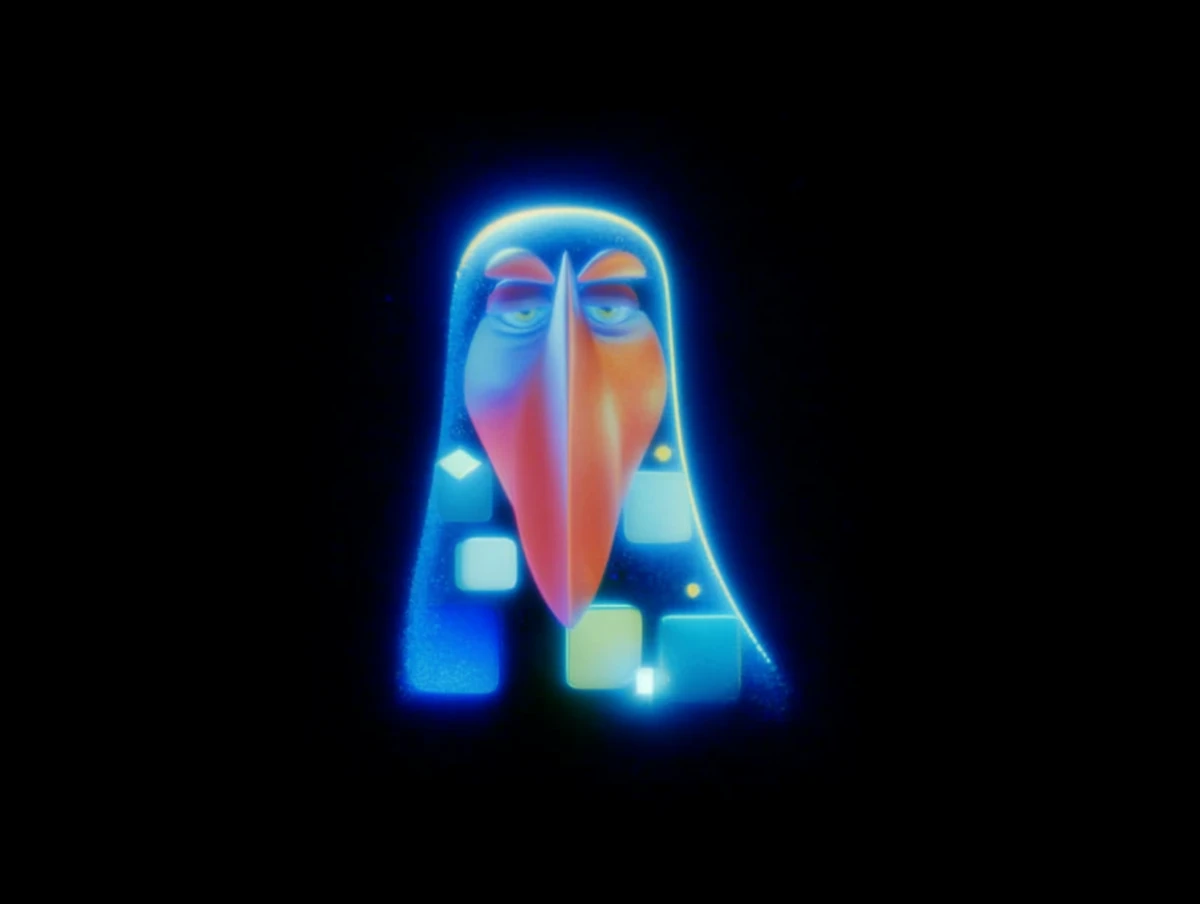

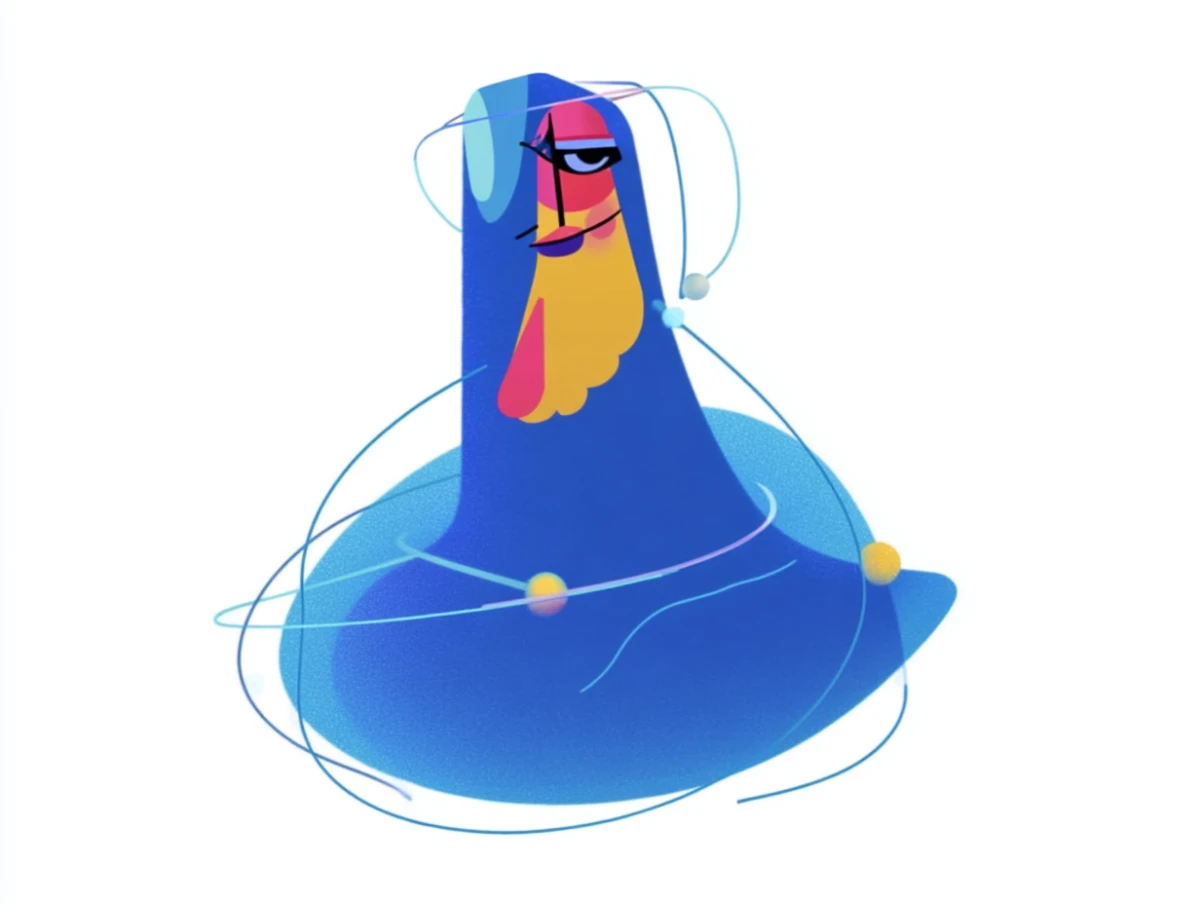
What makes the work striking is that the abstraction never feels evasive. It feels exact. Each image suggests that the artist is not subtracting detail to become vague, but subtracting detail to become severe. He keeps only what can bear meaning. A brow. A contour. A sealed dark eye. A hovering line that may be both sketch and scar. The result is a figure that seems to exist on two levels at once: as character and as design principle. We see a person, but we also see the grammar by which that person has been made visible.
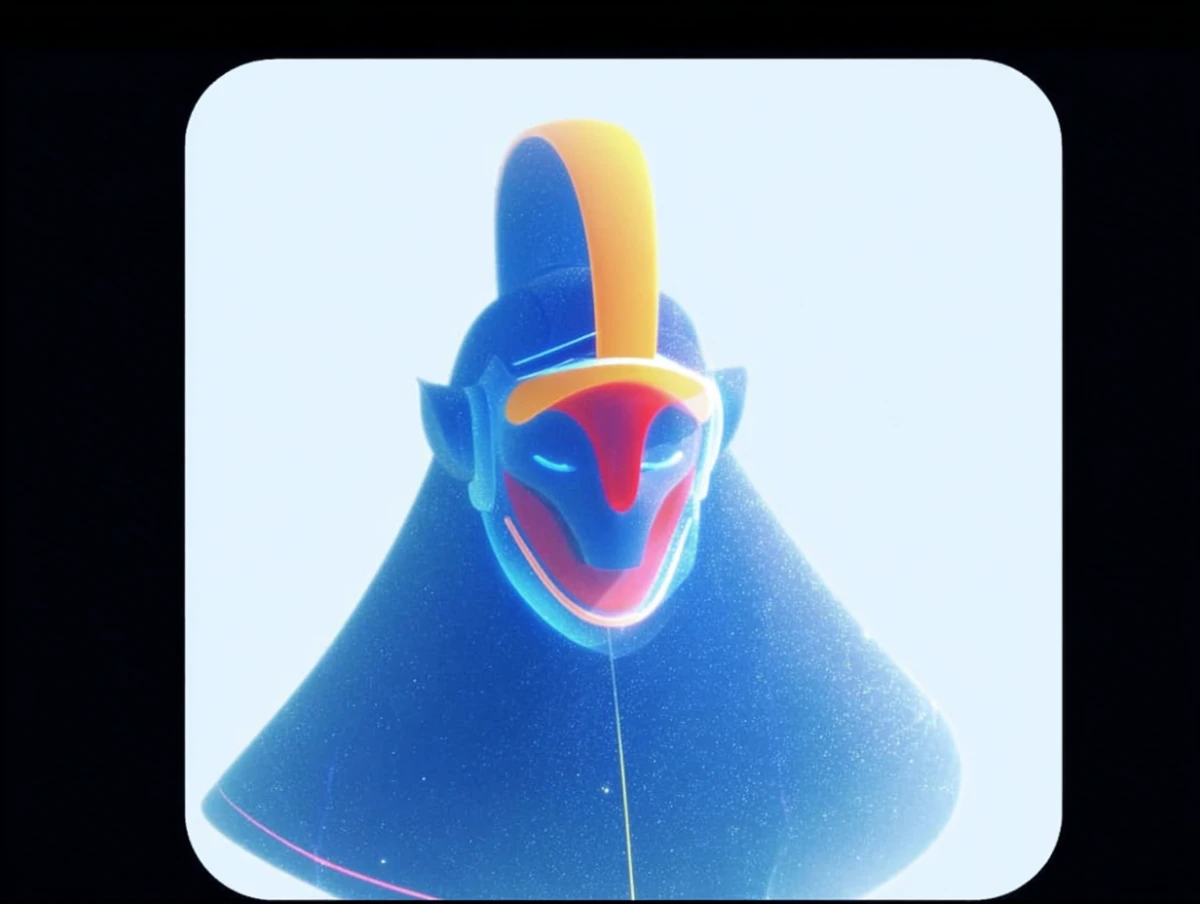
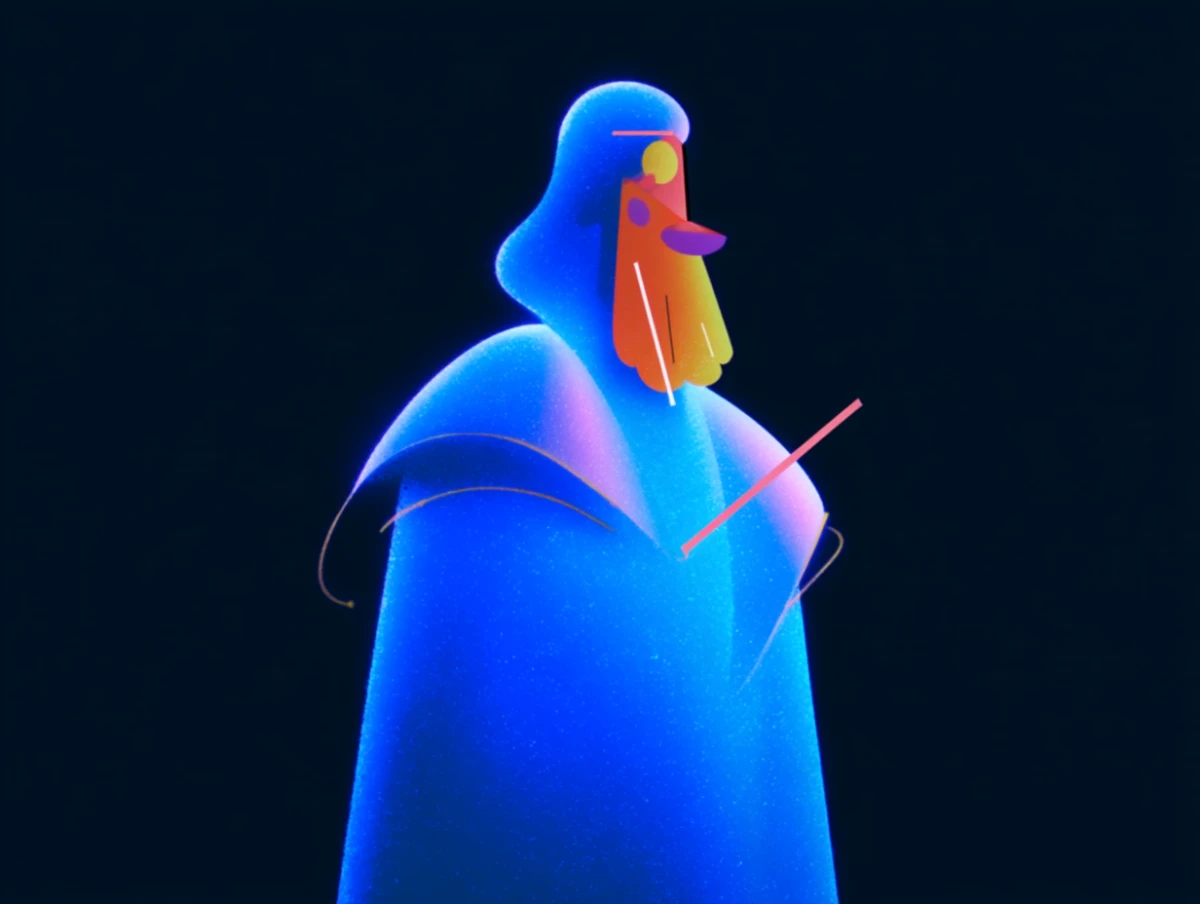
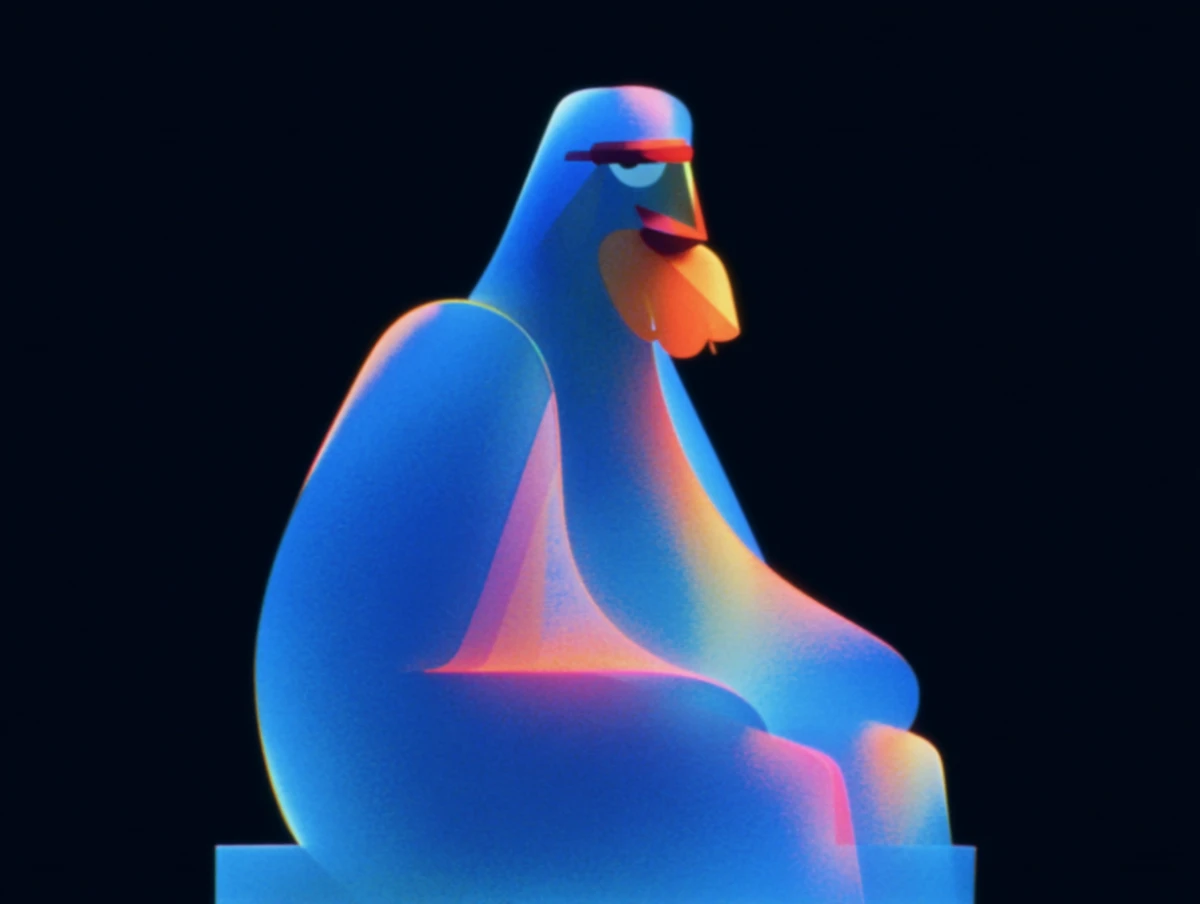
That duality gives the work its uncommon authority. Alex Roman, an architect from Bucharest (Romania), brings to the human figure the discipline of someone trained to think in structure before ornament, in mass before surface. His portraits do not simply depict bodies. They stage them. They stand like small buildings of emotion, composed from load-bearing curves and luminous interruptions. The face becomes facade, the profile becomes monument, and identity itself begins to look like something drafted, revised, and brought into balance.
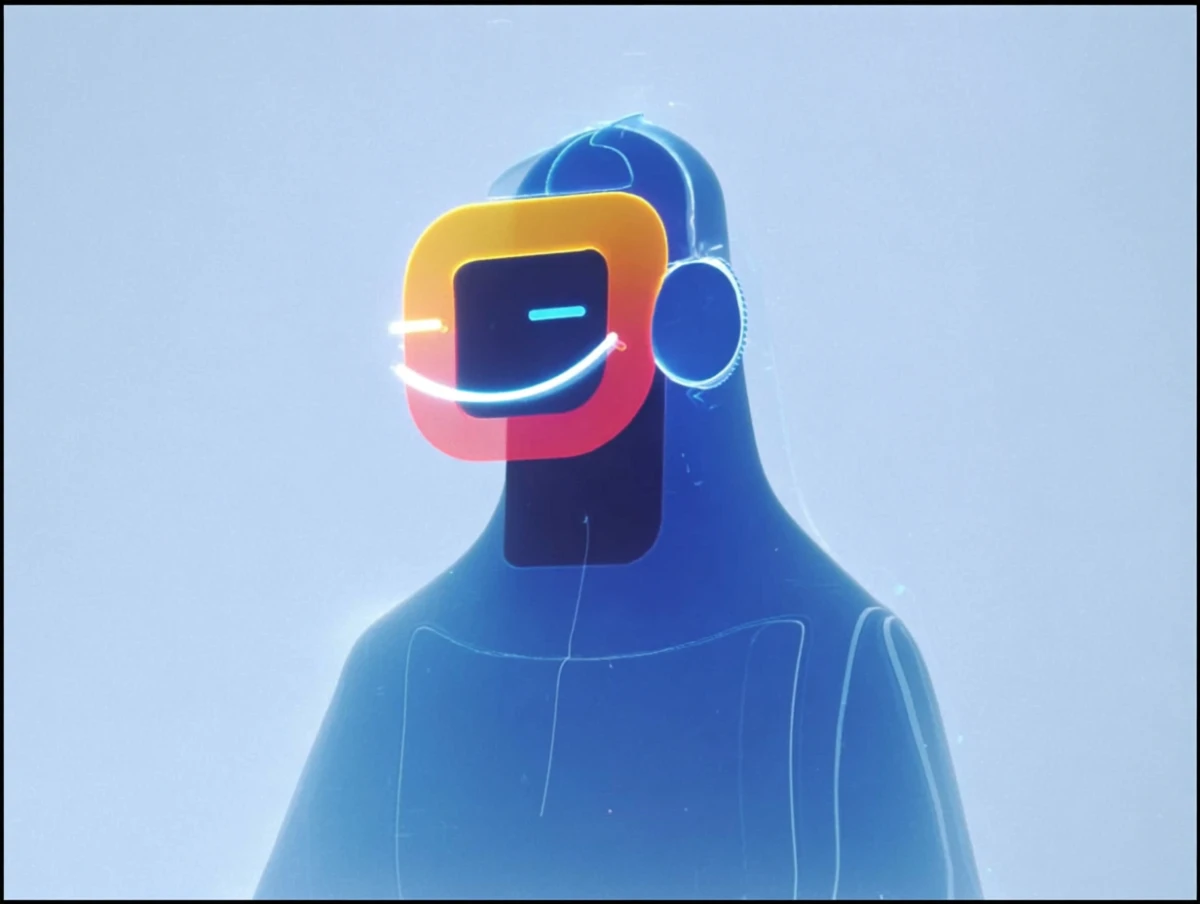
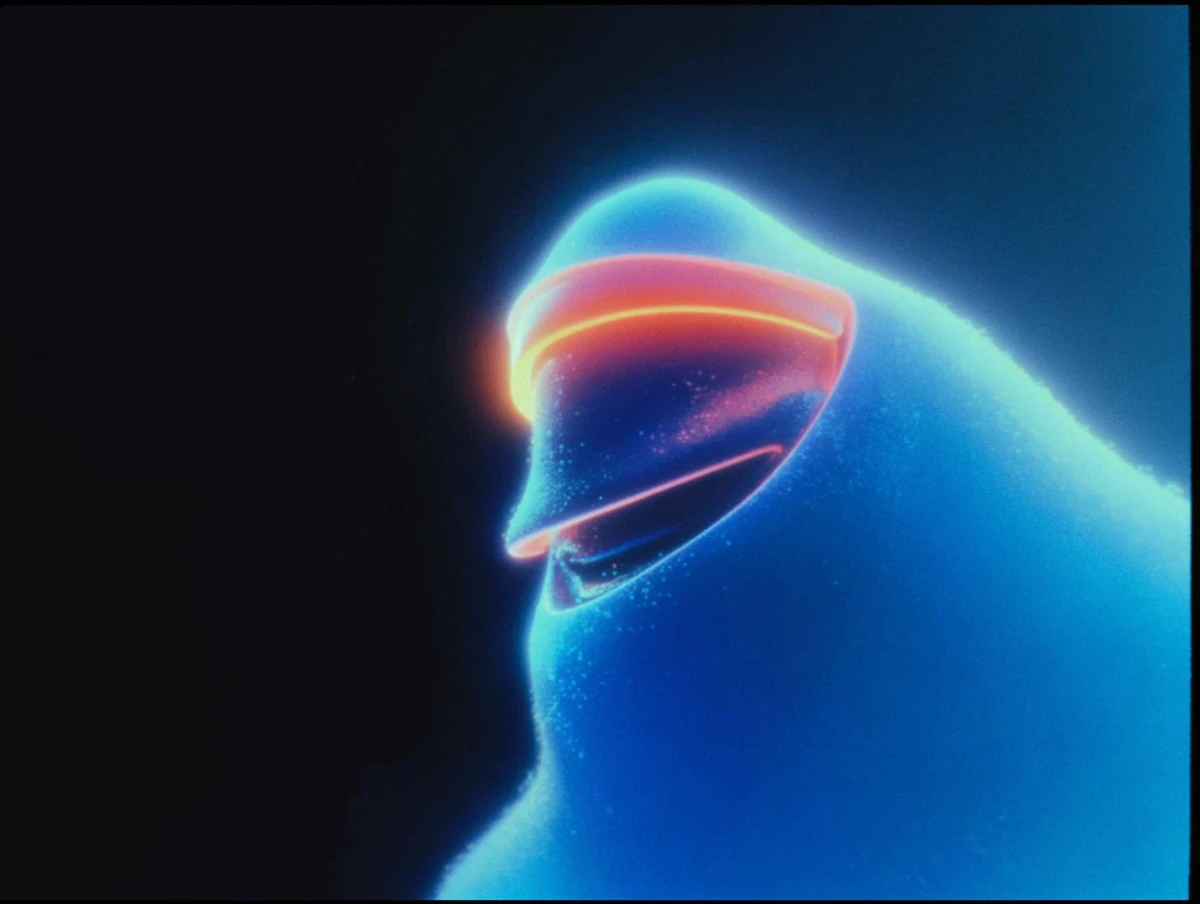
Yet for all this structural intelligence, the work never hardens into cold design. It trembles. The grain, the bloom of light, the softened edges, the faint construction lines, all of it keeps the image open, breathing, unstable. These figures are built, yes, but they are also dissolving. They seem to be passing in and out of visibility, as if personality were not a fixed object but a temporary arrangement of energies. This is why the images linger. They do not present identity as certainty. They present it as emergence.
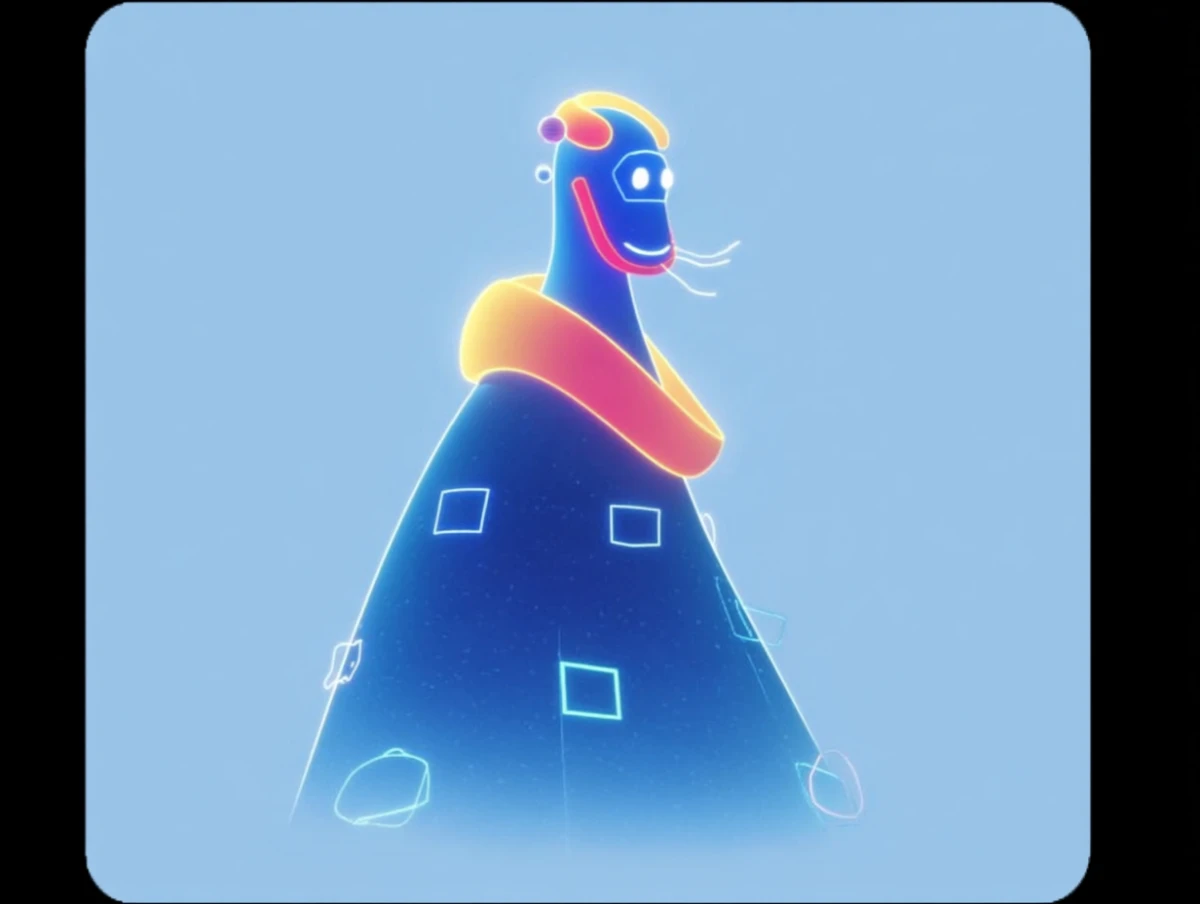
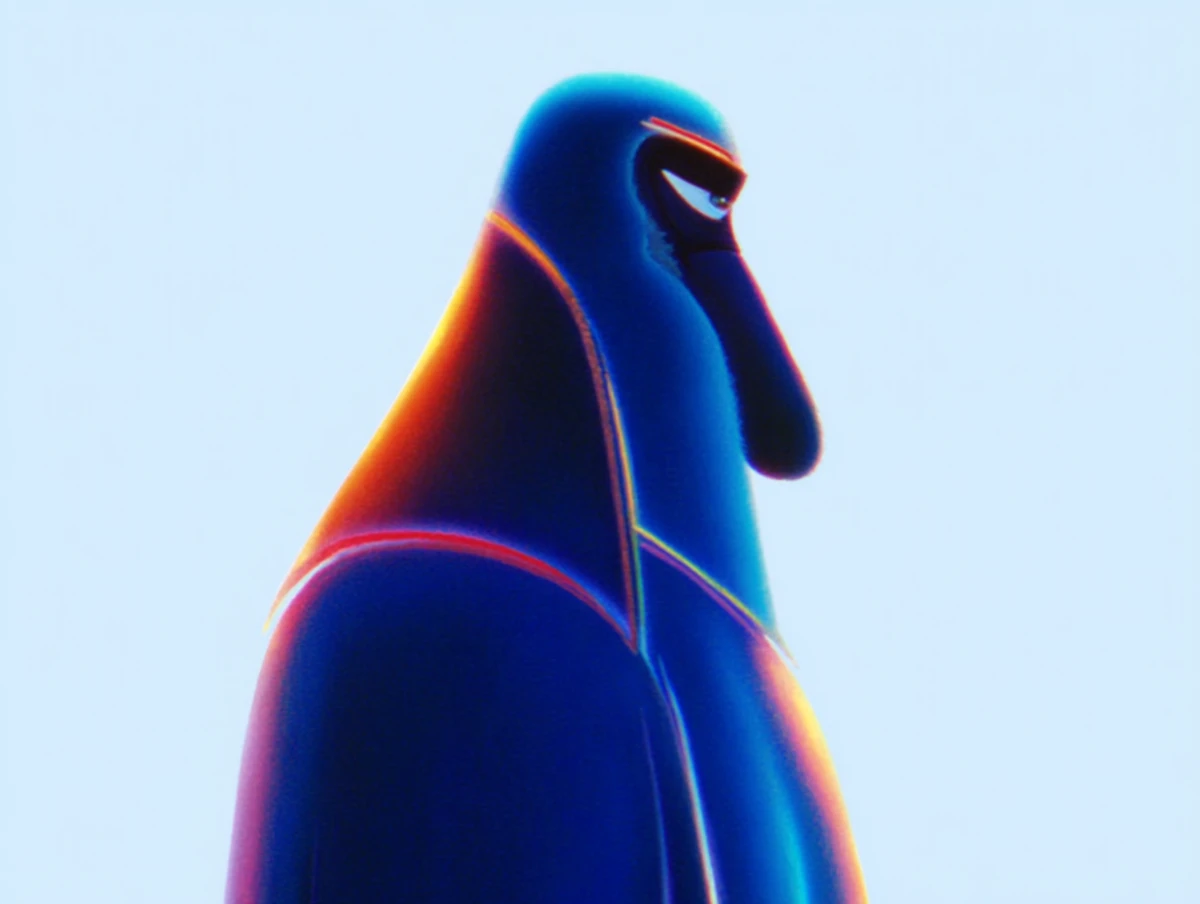
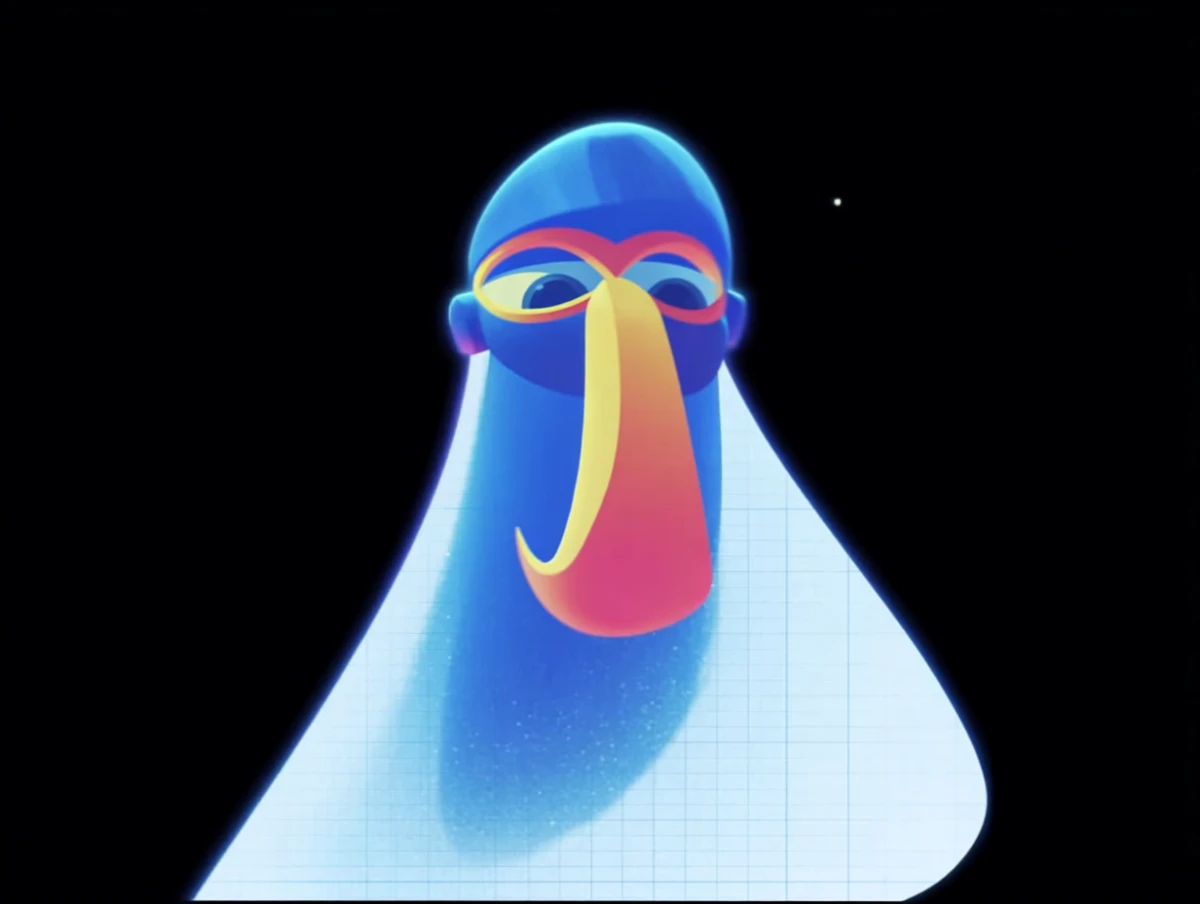
Roman’s great achievement is his ability to convert the human figure into symbol without emptying it of feeling. Many artists can stylize a person. Fewer can stylize a person until they become almost hieroglyphic, and still preserve presence. That is the miracle here. A face reduced to a few strokes and glowing planes can feel more alive than a fully rendered portrait, because it no longer depends on resemblance. It depends on force. It depends on the mysterious threshold at which shape becomes psyche.
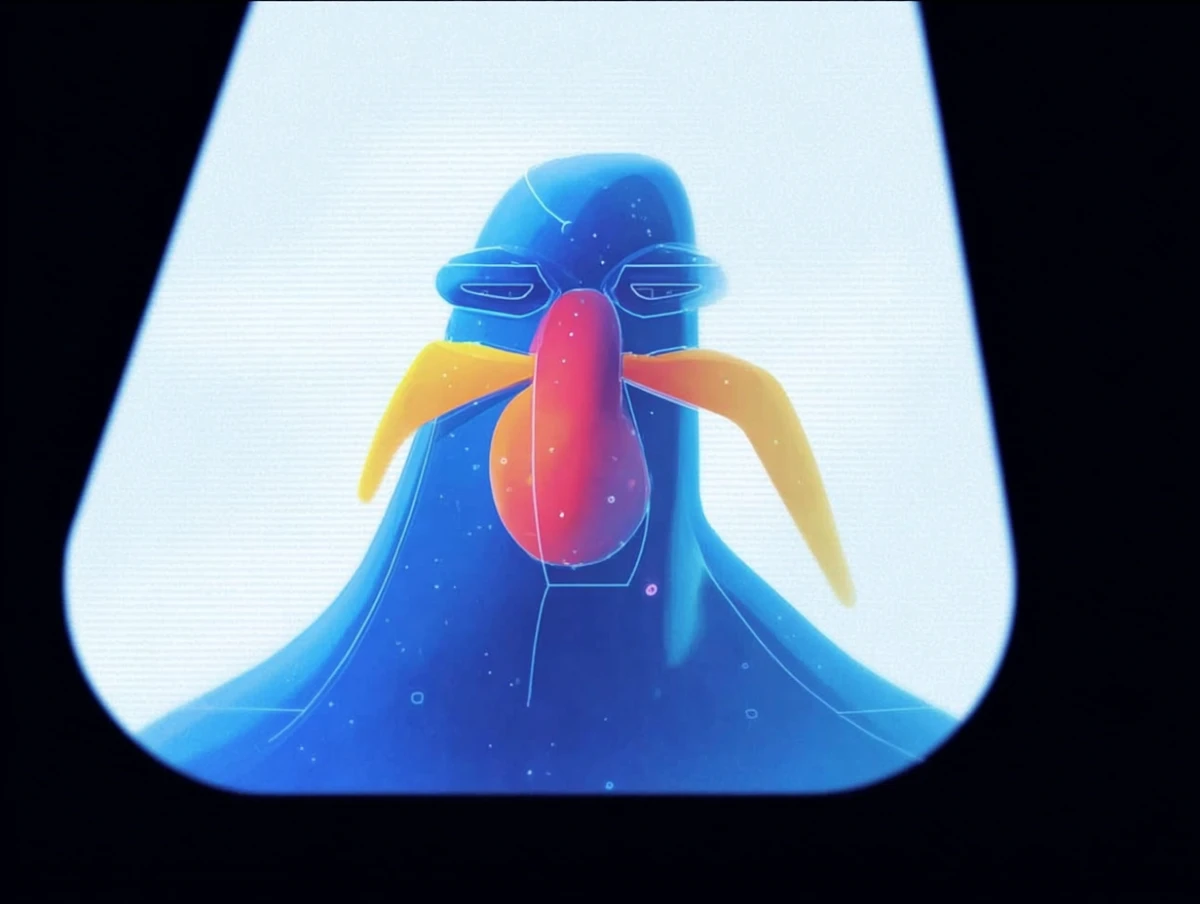
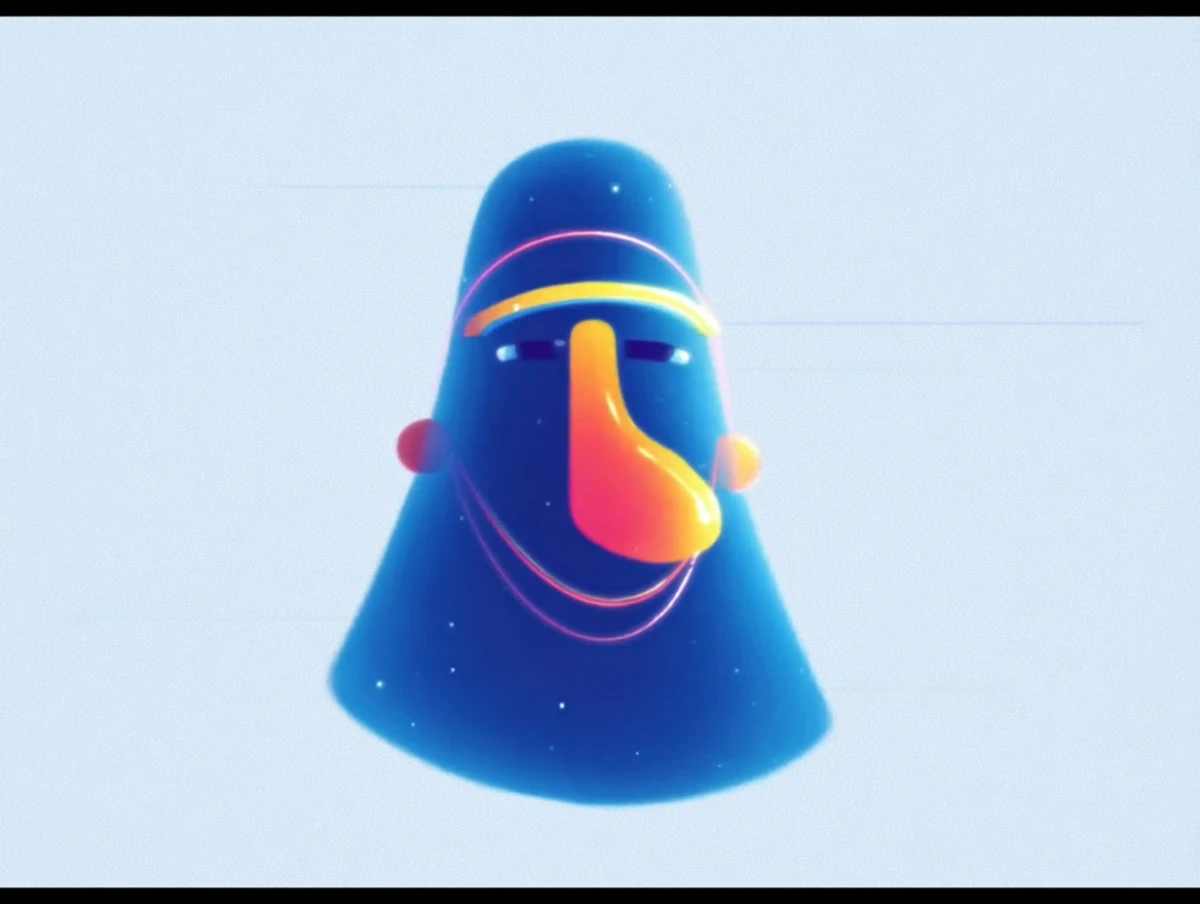
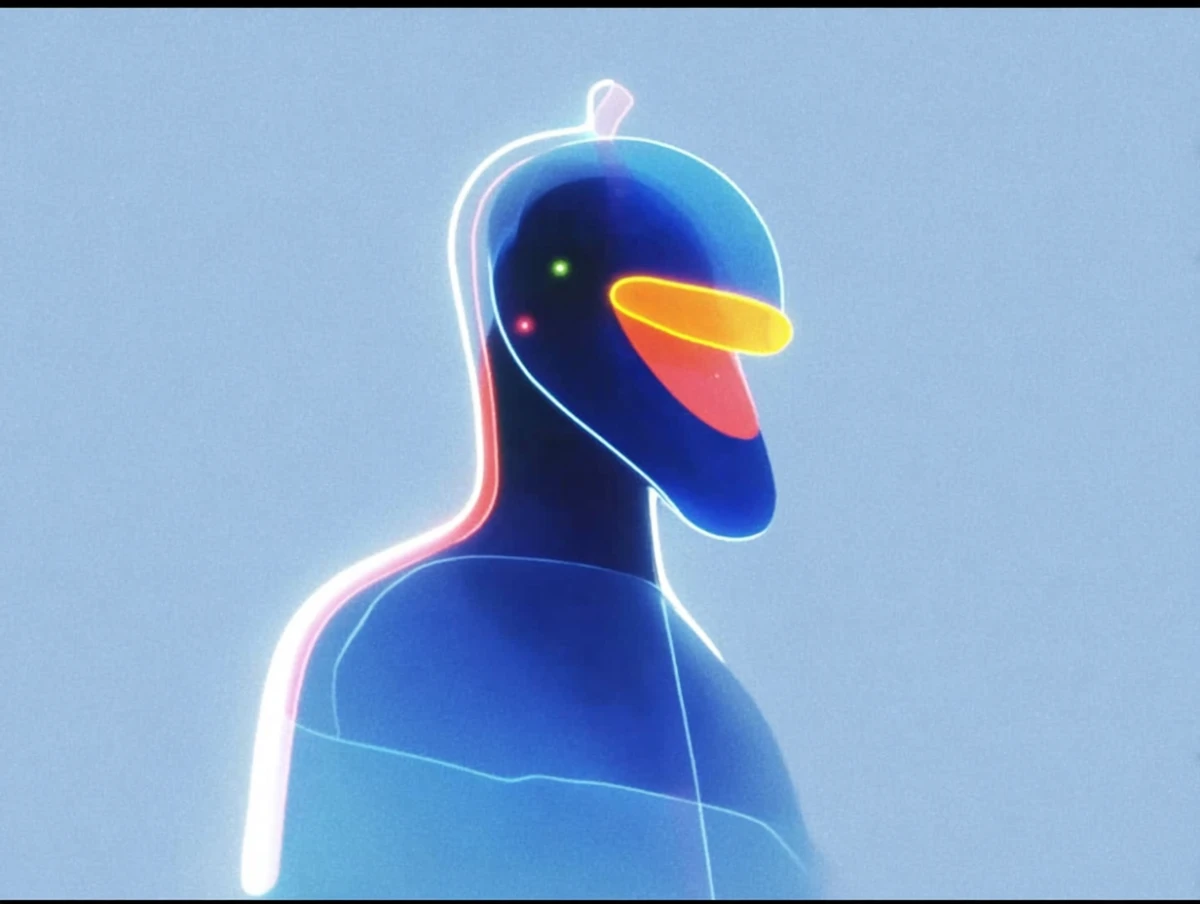
There is also wit in the work, and that wit matters. These figures are monumental, but never pompous. Their exaggerated features, suspended elements, and almost ceremonial expressions suggest that Roman understands the absurd dignity of being human. We are all, in some sense, unstable compositions: half mask, half structure, half performance, half wound. His images accept that contradiction. They do not resolve it. They make it visible.
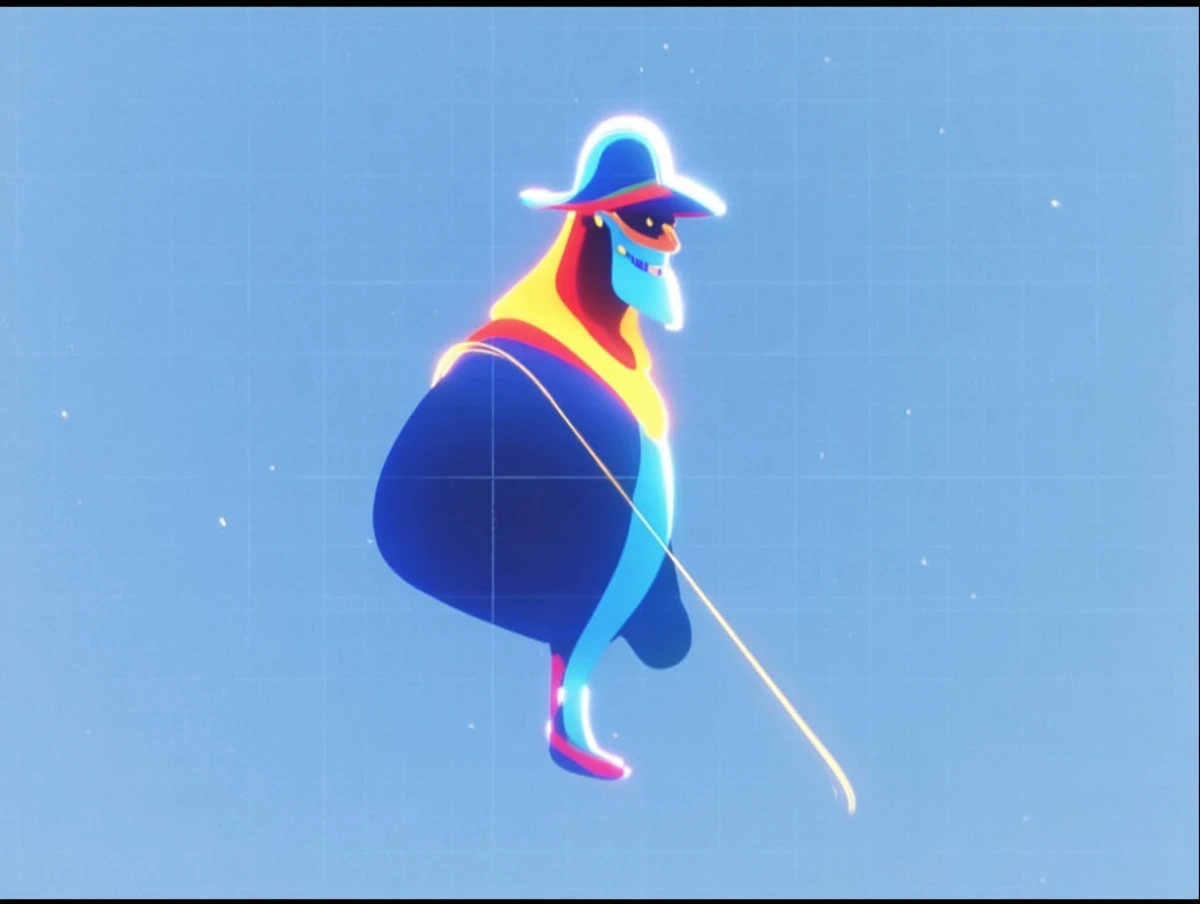
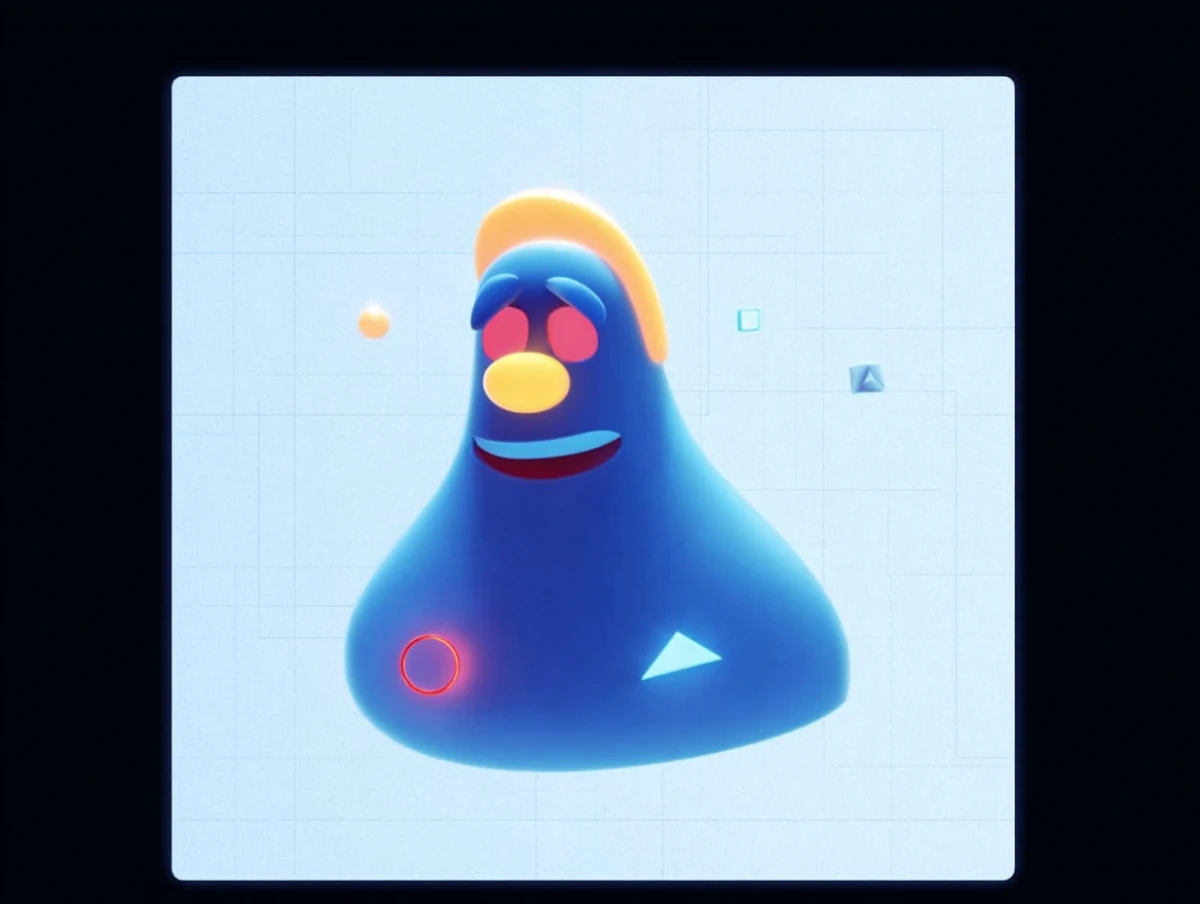
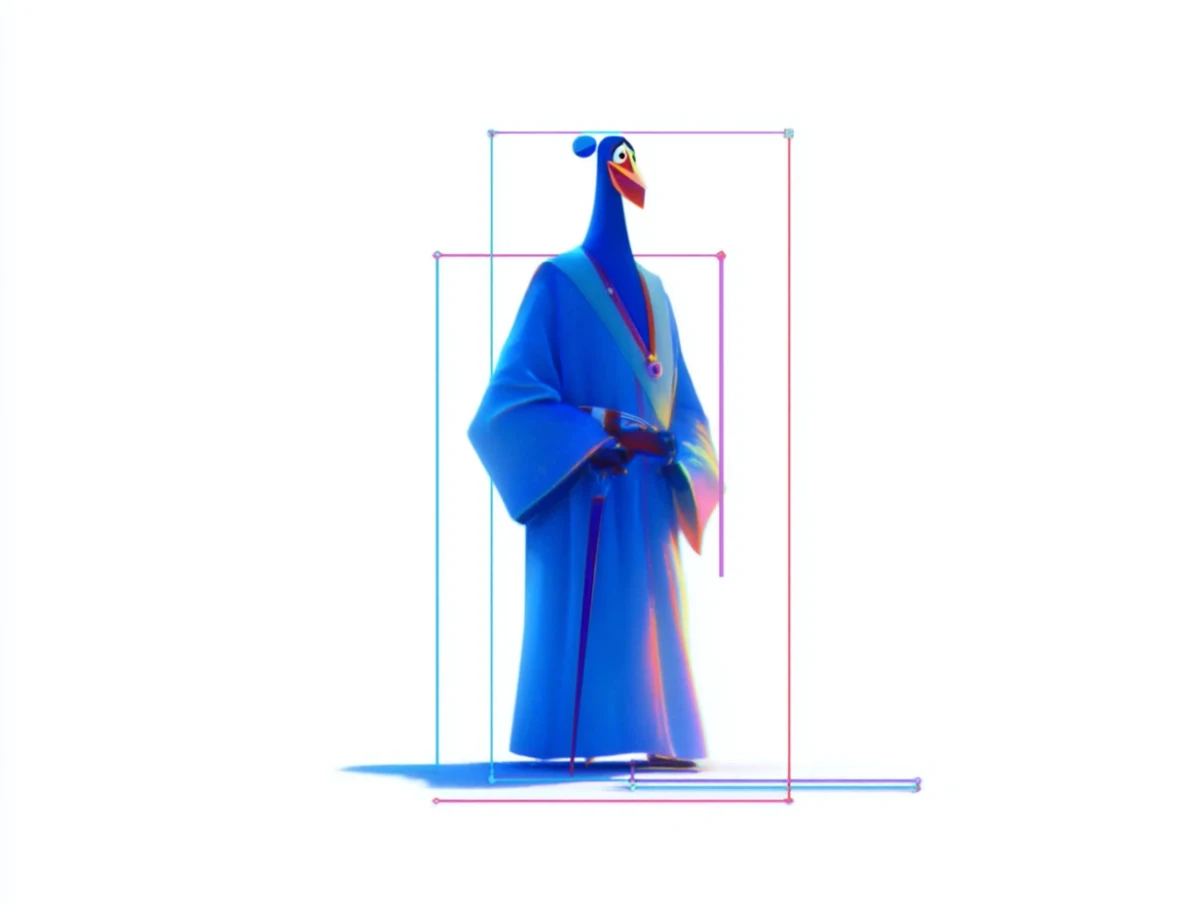
To look at these works is to watch portraiture migrate into another language. Not the language of realism, and not quite the language of pure abstraction, but something between painting, animation, architecture, and dream. Alex Roman does not paint people as they appear. He rebuilds them as they are felt: radiant, awkward, iconic, fragile, and immense. In these images, the human being is no longer just a subject. It is a designed event, a living form suspended between geometry and soul.
With a background shaped by painting, visual effects, and architectural visualization, Alex brings an architectural sensibility to the human figure, treating faces and bodies as structures of rhythm, mass, and light rather than as literal anatomy. That design intelligence is what makes his abstract figures so compelling: each one feels built, not merely drawn, and each reduction of form intensifies character rather than diminishing it
Alex Roman has the rare power to turn the figure into a structure of feeling. He does not simplify people in order to reduce them. He simplifies them in order to reveal how much presence can survive when nearly everything else is taken away.