Miniature street art, urban interventions, and public art by Michael Pederson unfold across Sydney like whispered secrets hidden in plain sight, transforming gutters, footpaths, walls, and forgotten city corners into poetic scenes of humor, wonder, and sharp observation. This original look at Michael Pederson’s tiny public interventions explores his site-responsive installations, miniature architecture, playful civic signage, and rising international presence in contemporary street art, offering art lovers a richly detailed portrait of one of Australia’s most distinctive urban artists.
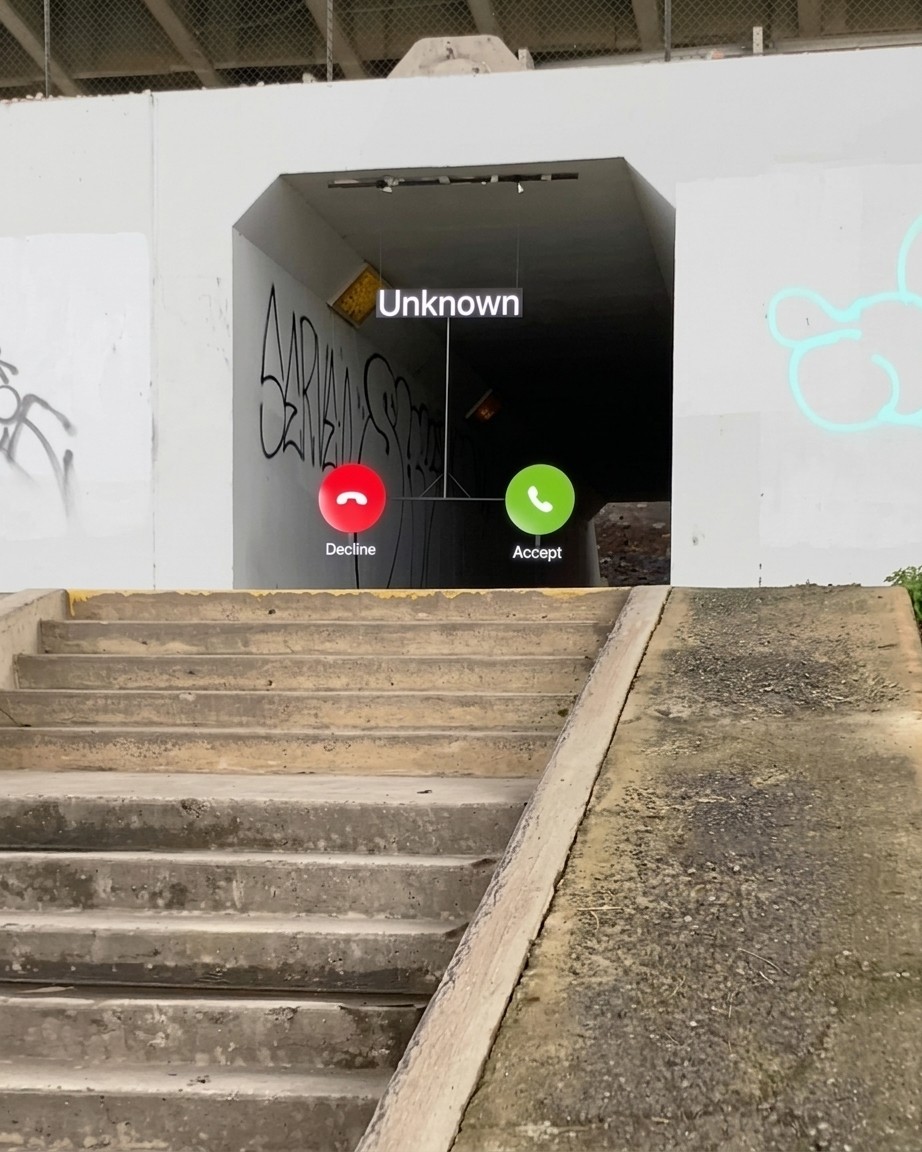
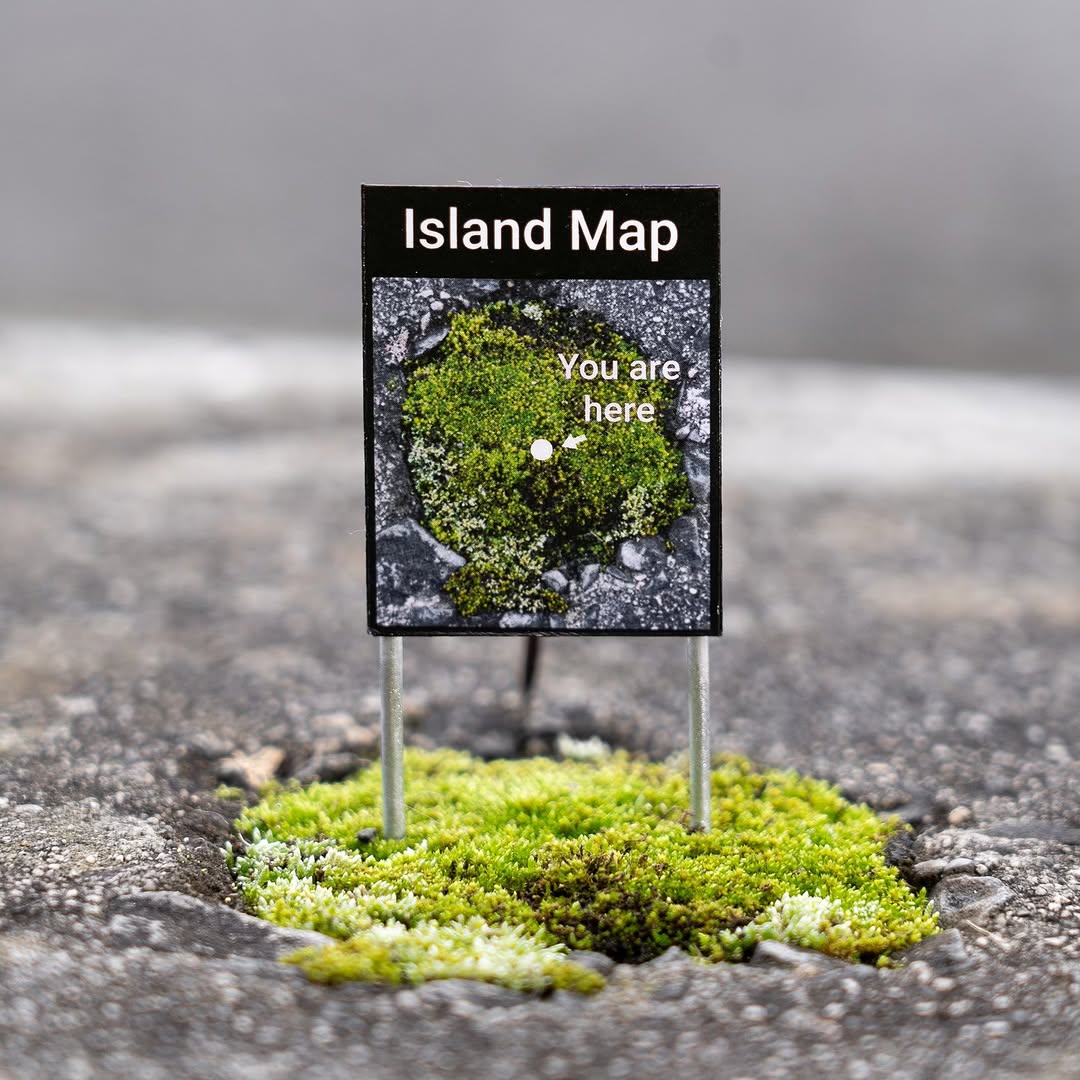
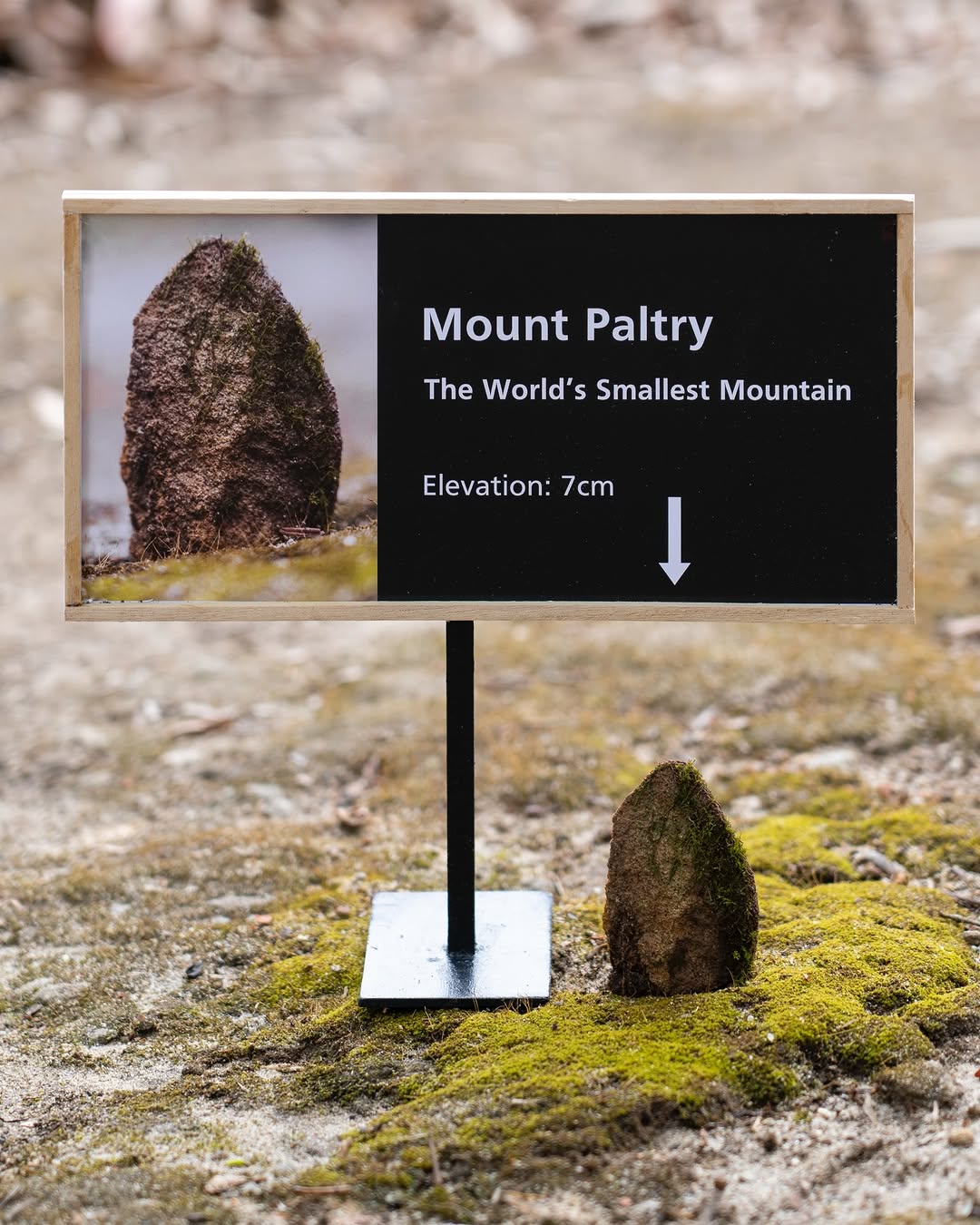
Cities rarely announce their magic. They bury it under concrete, warning labels, and routine. Then an artist like Michael Pederson comes along and slips a tiny staircase into a rock, a neat fence around a patch of synthetic grass, or a sign that turns a stormwater drain into an entrance to somewhere impossible. Suddenly the city blushes. What looked dead and practical a second earlier begins to pulse with personality.
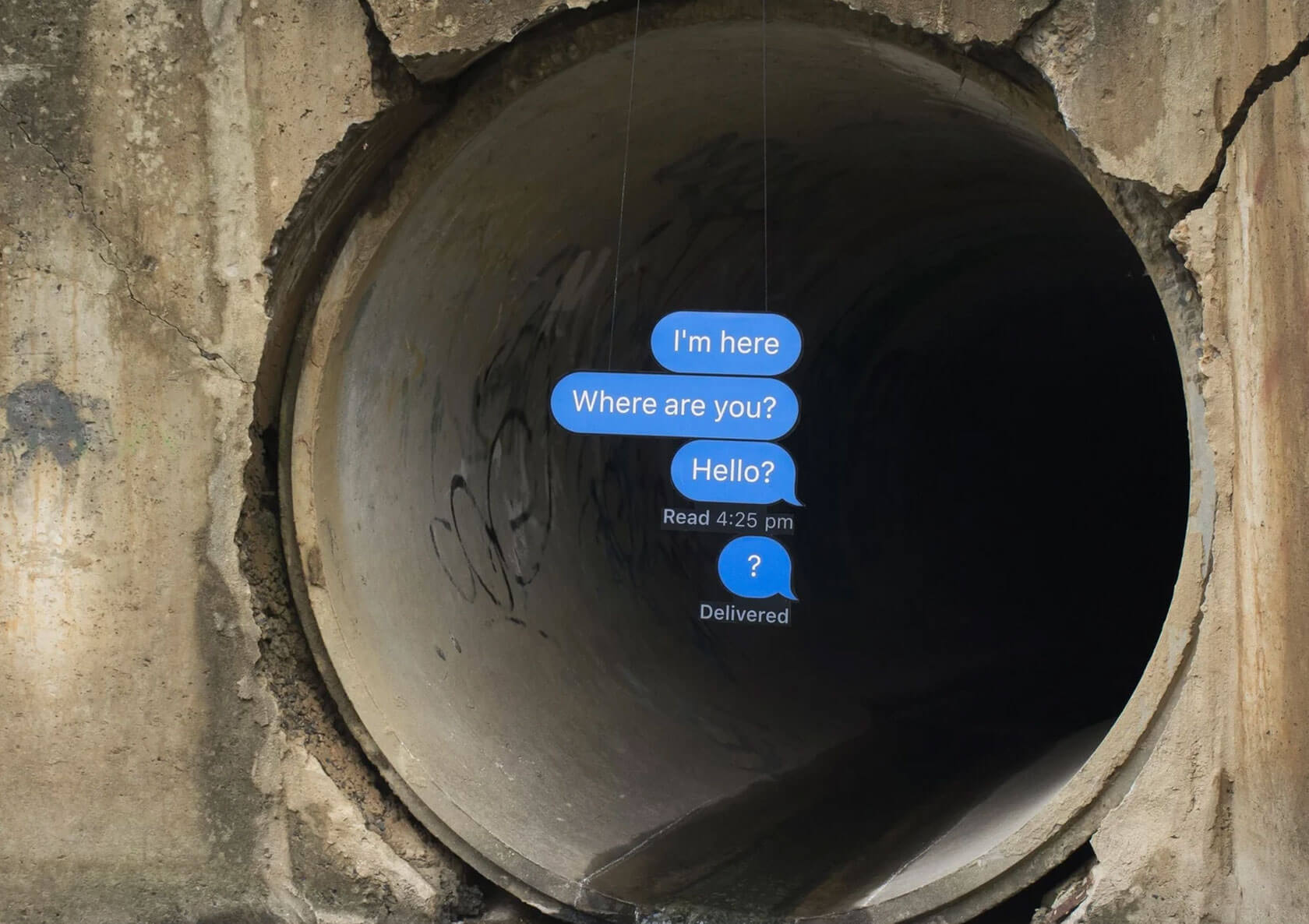
For art lovers, this is the seduction of Pederson’s work. His installations do not demand attention with monumentality or spectacle. They operate through delay. First you walk past them. Then you notice something slightly off. Then the joke lands, followed by something deeper, stranger, and more affecting. The urban environment, so often treated as anonymous background, is revealed as a stage for imagination, tenderness, and sly resistance.
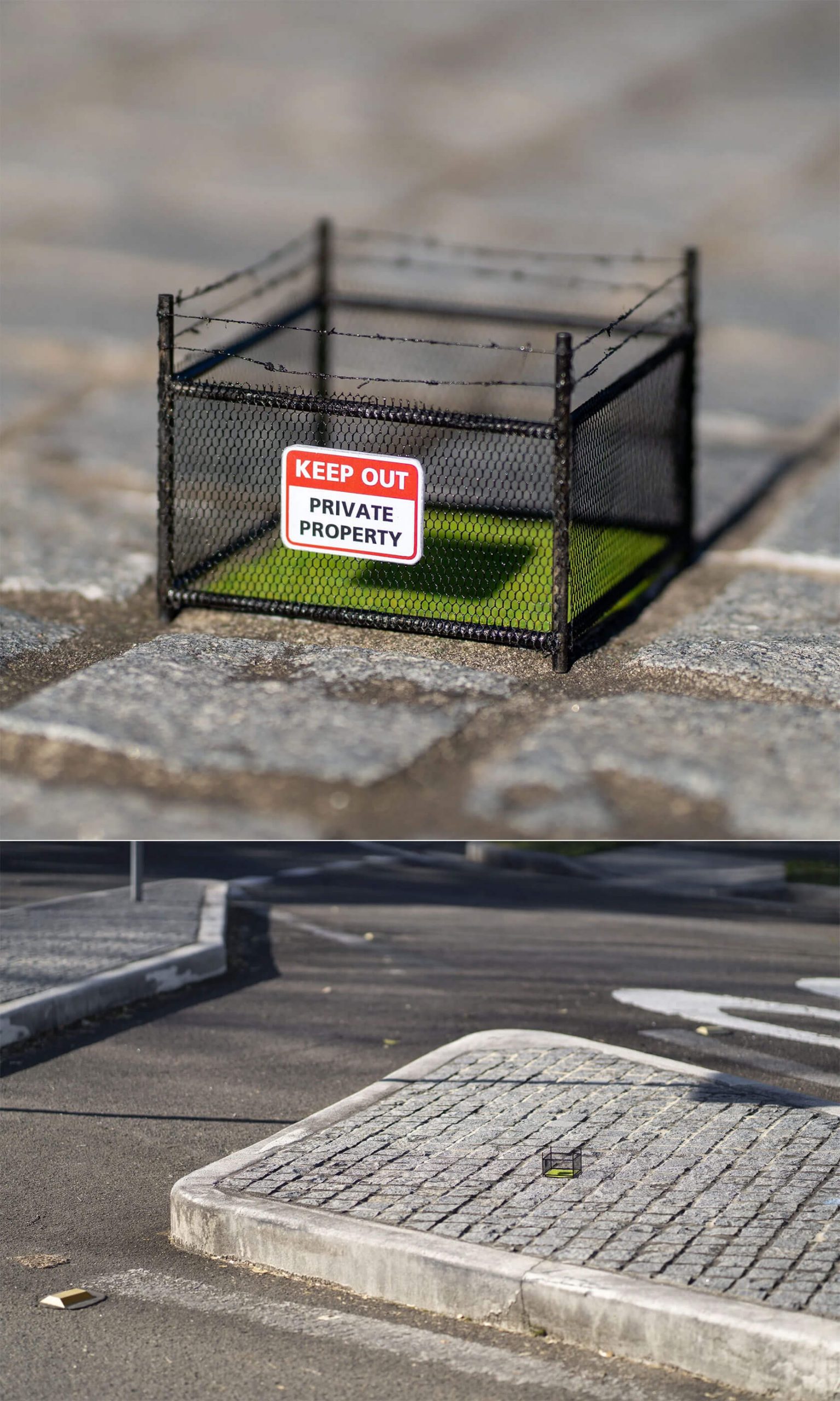
Sydney-based Michael Pederson has built a remarkable practice around these small-scale public interventions, creating works that feel both spontaneous and meticulously tuned to place. His miniature signs, objects, and architectural gestures are tucked into drains, walls, curbs, rocks, and neglected edges of the built environment. They borrow the visual authority of civic language while undoing its seriousness with dry humor and poetic absurdity. A turnstile guarding a concrete void, a warning that marks an obviously terrible hiding place, a private boundary around a tiny patch of grass, each piece nudges the viewer into a new relationship with public space.
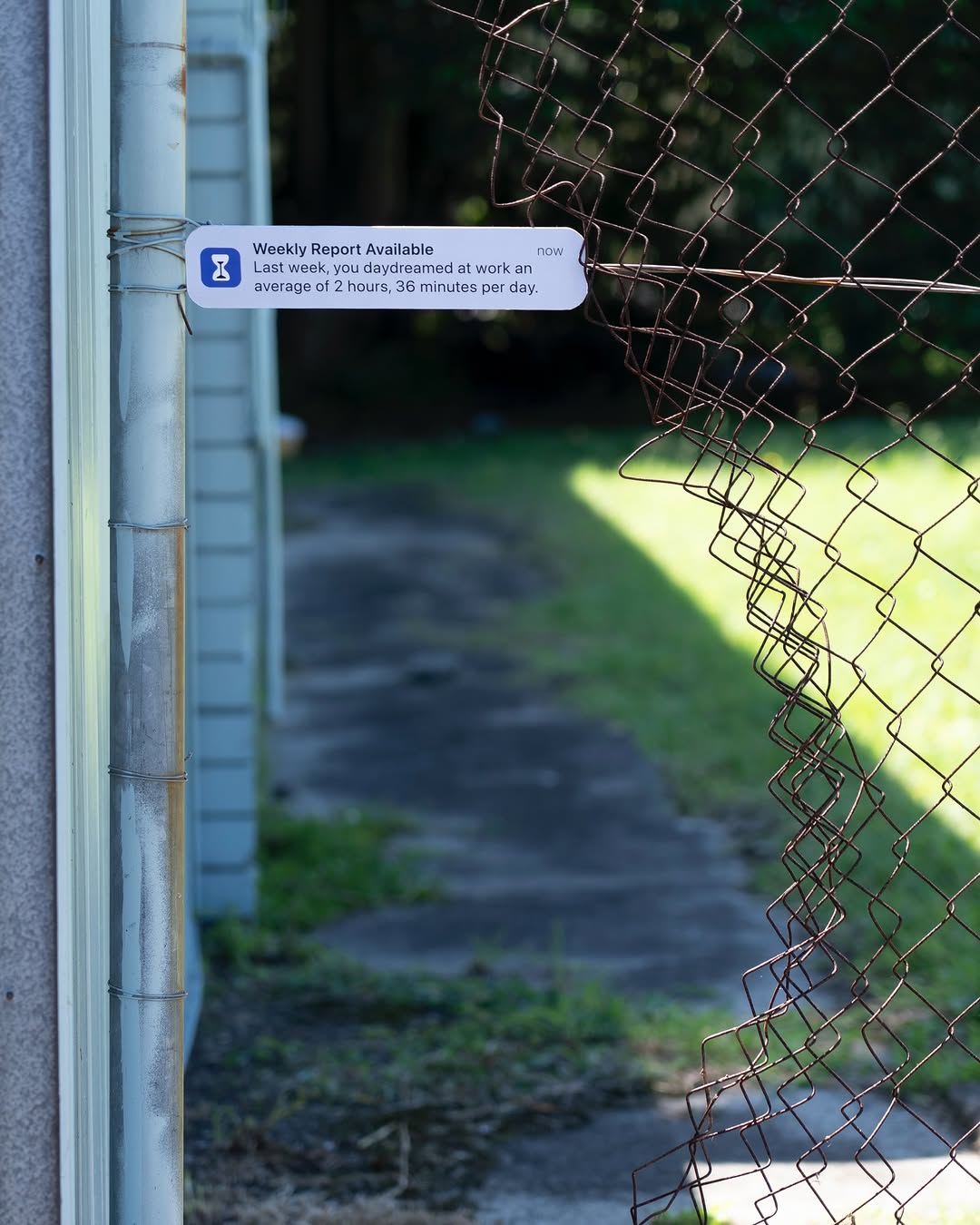
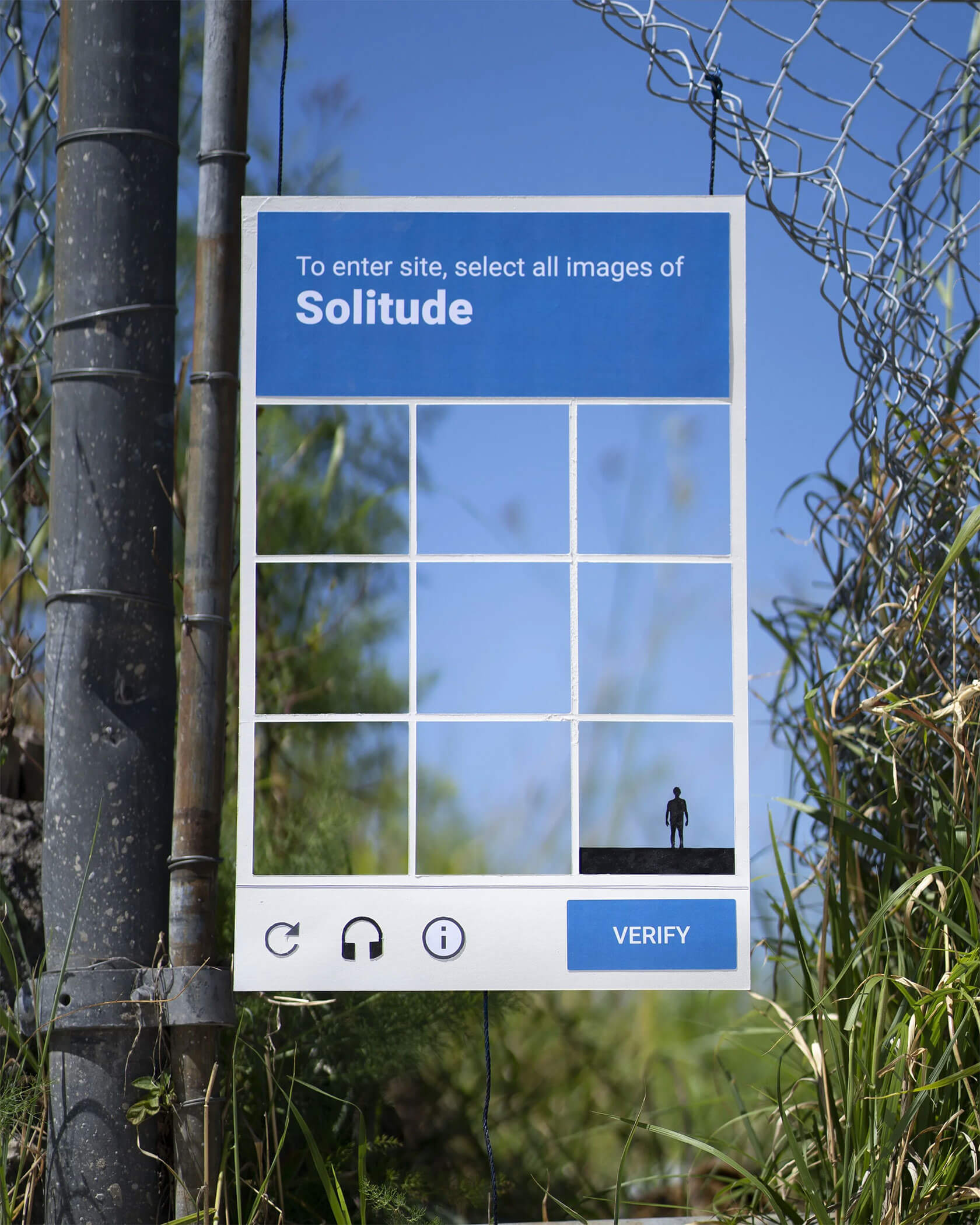
Where the ordinary city begins to misbehave
Pederson’s genius lies in scale and tone. His interventions are small enough to be missed, but once noticed, they feel uncannily right. That moment matters. The viewer experiences a brief collision between belief and disbelief. For a split second, the fabricated object belongs there. Then the absurdity blooms.
This tension is what gives his urban art its emotional charge. The works are funny, yes, but they are not merely visual jokes. They reveal how deeply we trust signs, barriers, and official design language. By imitating these familiar systems so closely, Pederson exposes the psychology of public space. We obey symbols. We read authority into typography, fencing, warnings, and directions. When those tools are used to frame nonsense, whimsy, or impossible destinations, our habits of seeing are thrown open.
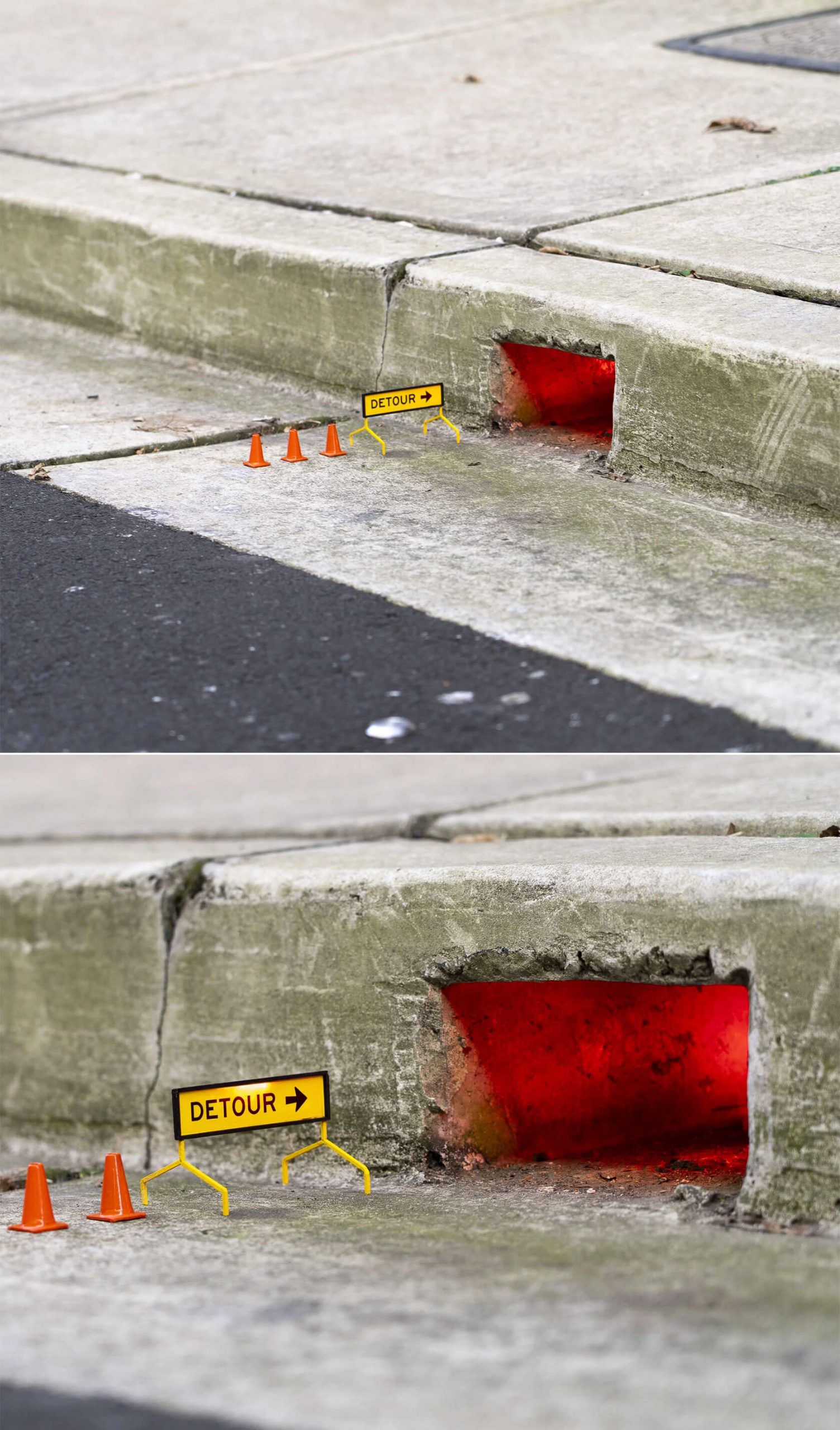
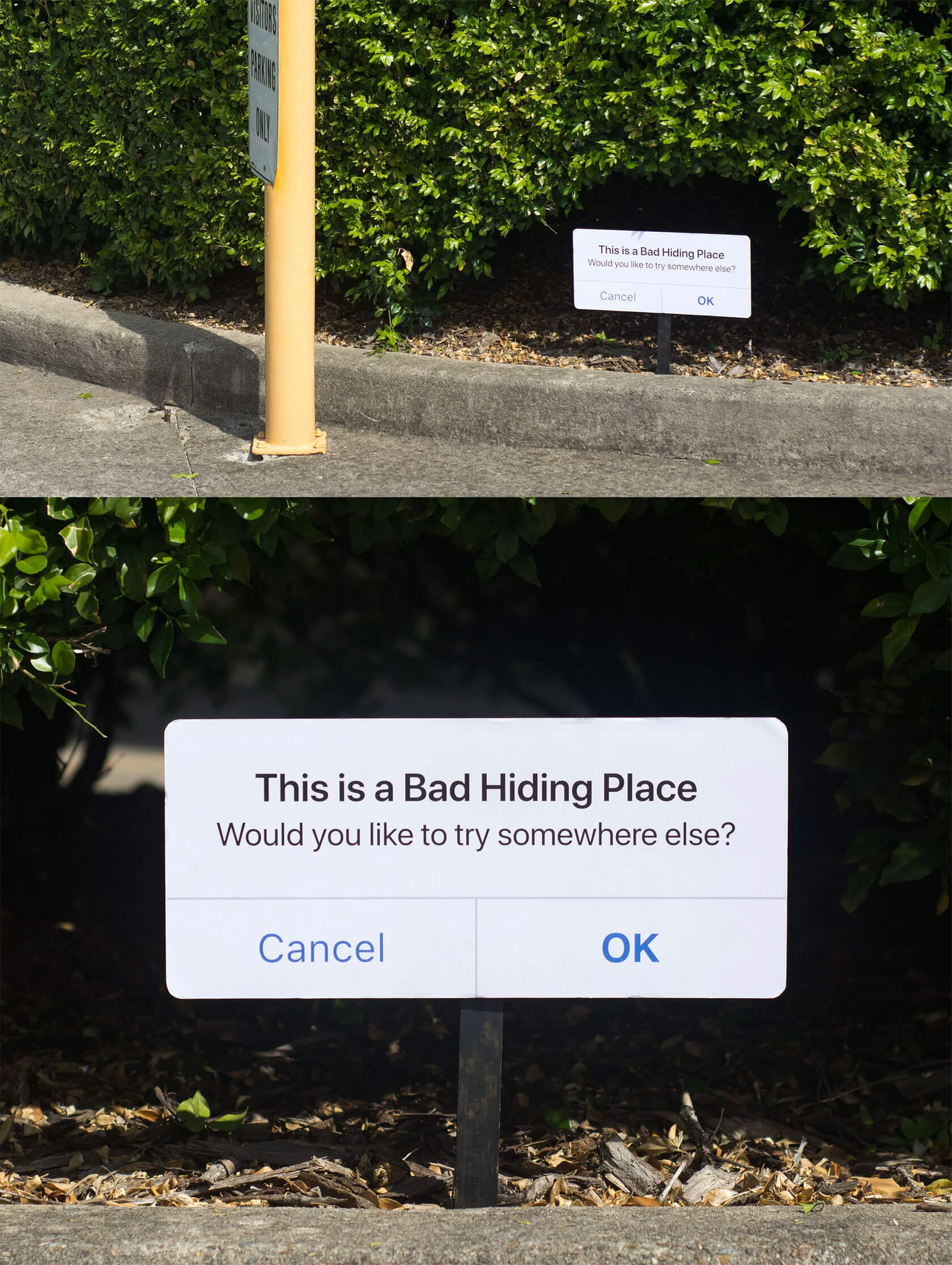
For creative people, especially those drawn to street art, conceptual art, public installation, urban photography, and site-specific practice, Pederson’s work offers a thrilling reminder that meaning can be redirected with the lightest touch. He does not need to repaint a building or occupy a square. Sometimes all it takes is a tiny intervention placed exactly where the city forgot to look.
A language of signs, objects, plants, and places
One of the most compelling aspects of Pederson’s practice is that it does not read as a series of random pranks. His body of work suggests a long-running visual system. His projects have been organized into recurring categories such as Plants, Places, Animals, Objects, Signs, and Festivals, pointing to a serial logic that runs beneath the humor. He returns again and again to certain kinds of urban encounters, refining a language rather than repeating a gimmick.
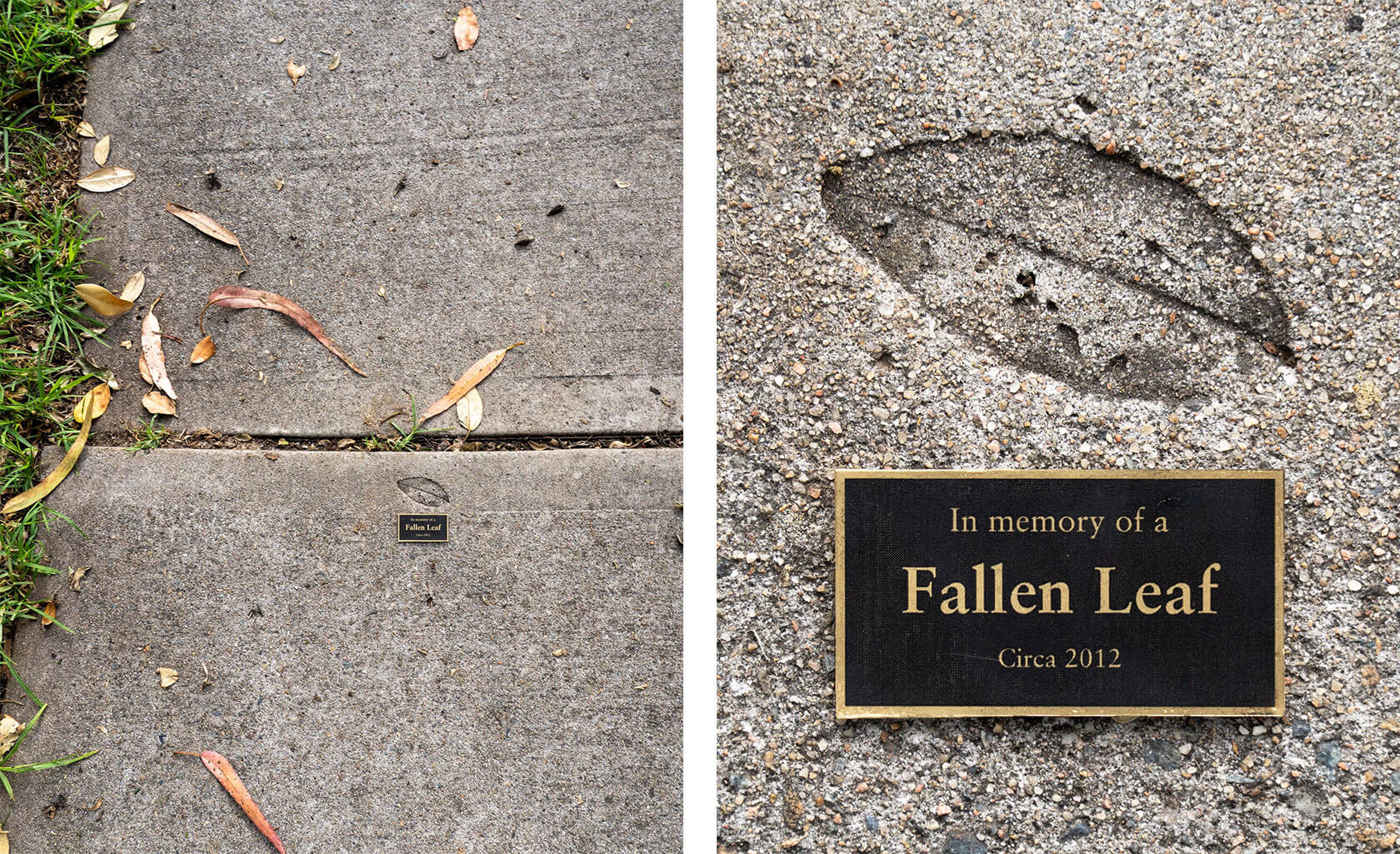
That distinction matters. In the best contemporary public art, repetition does not flatten meaning. It deepens it. Pederson’s recurring motifs create a recognizable artistic voice, one grounded in miniature installation art, but also in attention, timing, and site response. A footpath crack, a neglected wall opening, a strange patch of verge, these become invitations rather than leftovers.
The miniature scale also does something psychologically potent. It asks the viewer to come closer. Unlike large public sculpture, which often declares itself from a distance, Pederson’s work rewards intimacy. You have to lean in, pause, perhaps even crouch. That physical adjustment changes perception. The city shifts from something you pass through to something you inspect, and in that shift, curiosity returns.
Humor with a pulse beneath it
It would be easy to describe Pederson simply as clever, but that would undersell what makes the work linger. The wit is precise, yet the best pieces also carry a surprising emotional undertow. They acknowledge loneliness, exclusion, fantasy, bureaucracy, childhood, and the private stories we project onto neglected places.
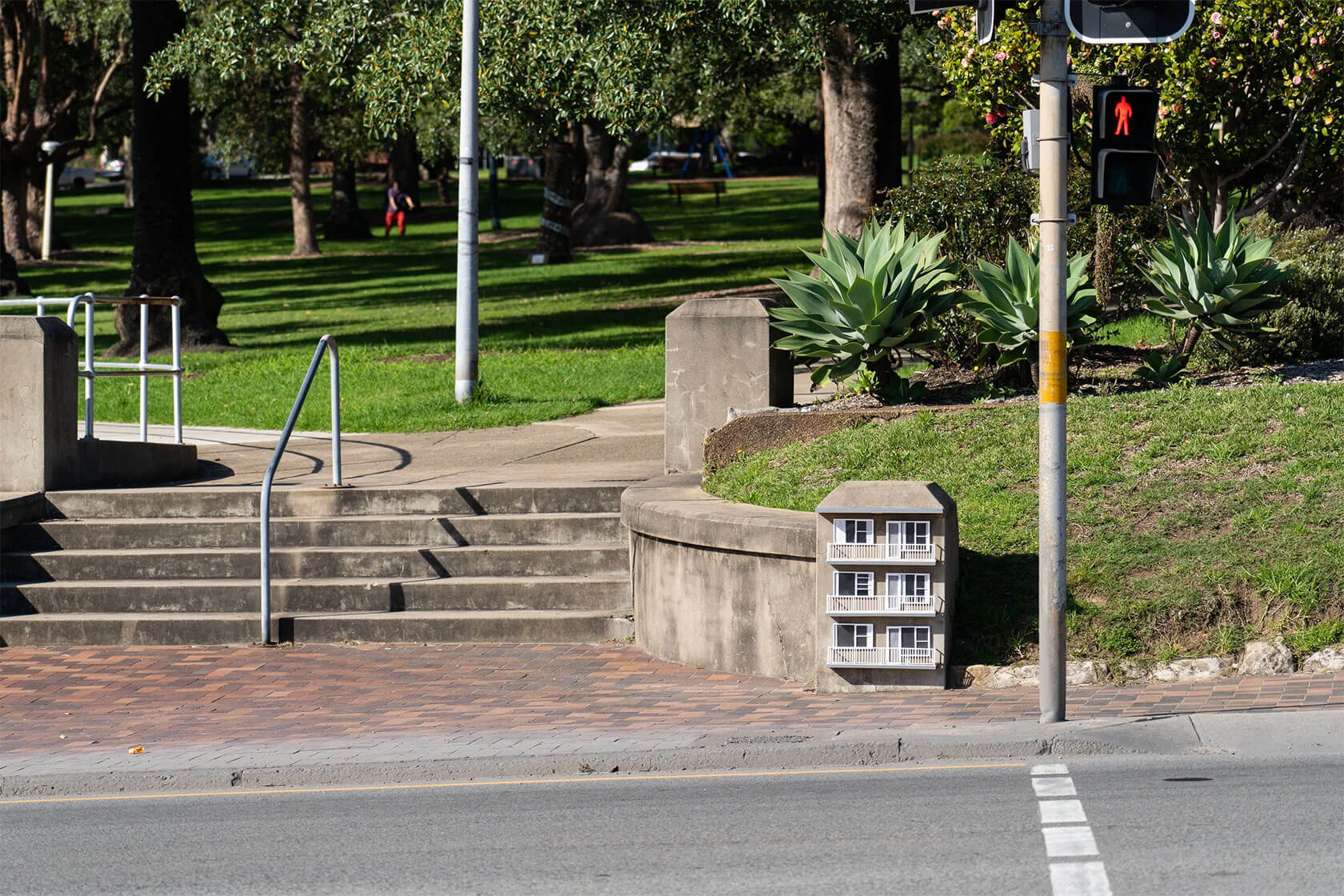
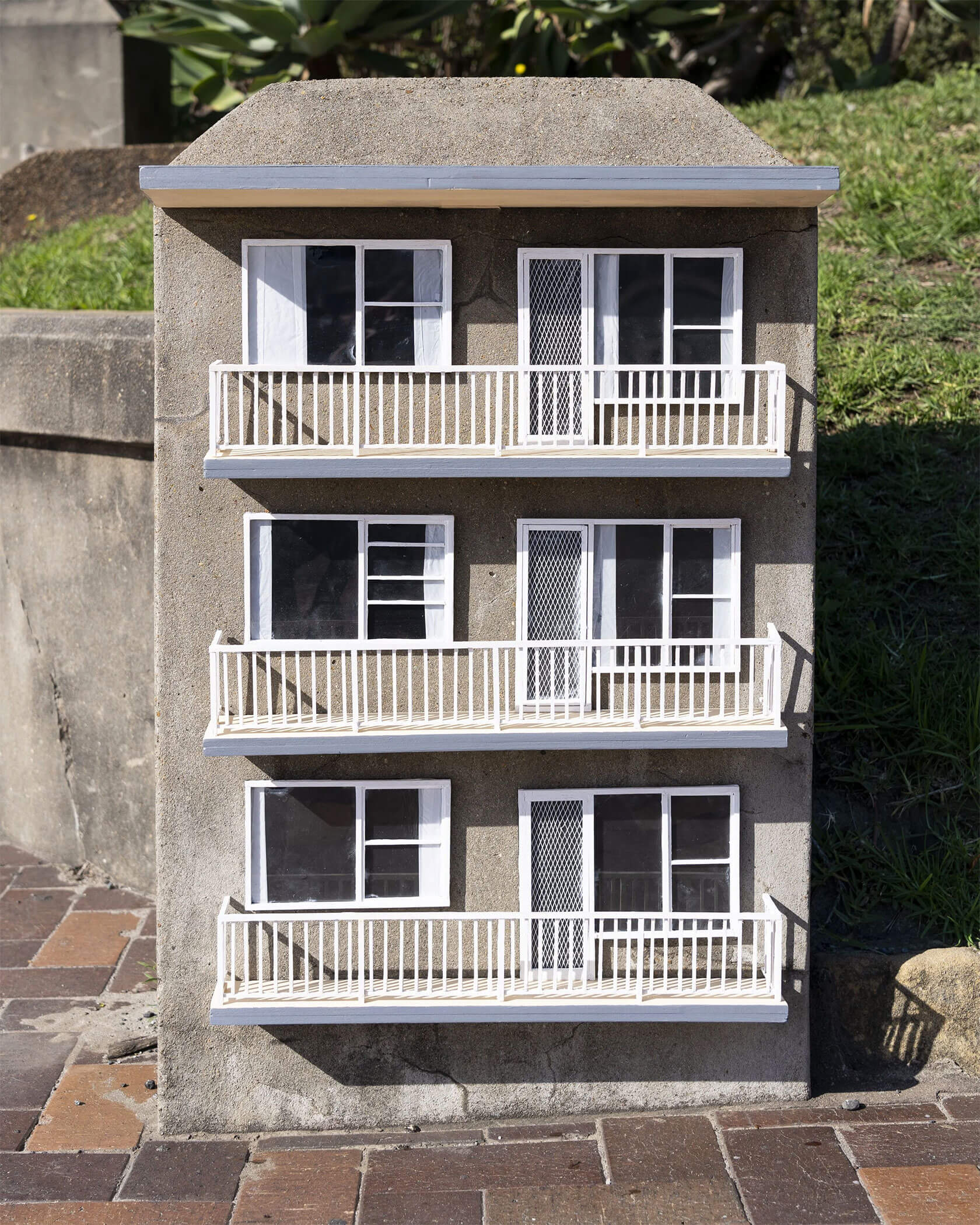
A tiny staircase disappearing into stone can read like a joke, but it can also stir the old, irrational hope that hidden worlds still exist. A fenced-off artificial lawn can mock property culture while also reflecting on how absurdly territorial modern life has become. A sign placed in the wrong kind of emptiness can feel hilarious and faintly existential at once.
That doubleness helps explain why his interventions circulate so widely among art audiences. They are photogenic, certainly, but they are also conceptually sticky. They remain in the mind because they alter the emotional weather of the places they touch. The forgotten corner is no longer forgotten. The drain is no longer only a drain.
More than a decade of tiny urban interventions
Pederson’s current visibility in 2026 sits within a much longer arc. His public projects date back to 2013, and images of his interventions were already gaining attention by the mid-2010s, with examples from even earlier years circulating online. That longevity is important. It shows that this is not a passing social-media-friendly gesture, but a sustained artistic investigation into how urban space can be lightly, intelligently interrupted.
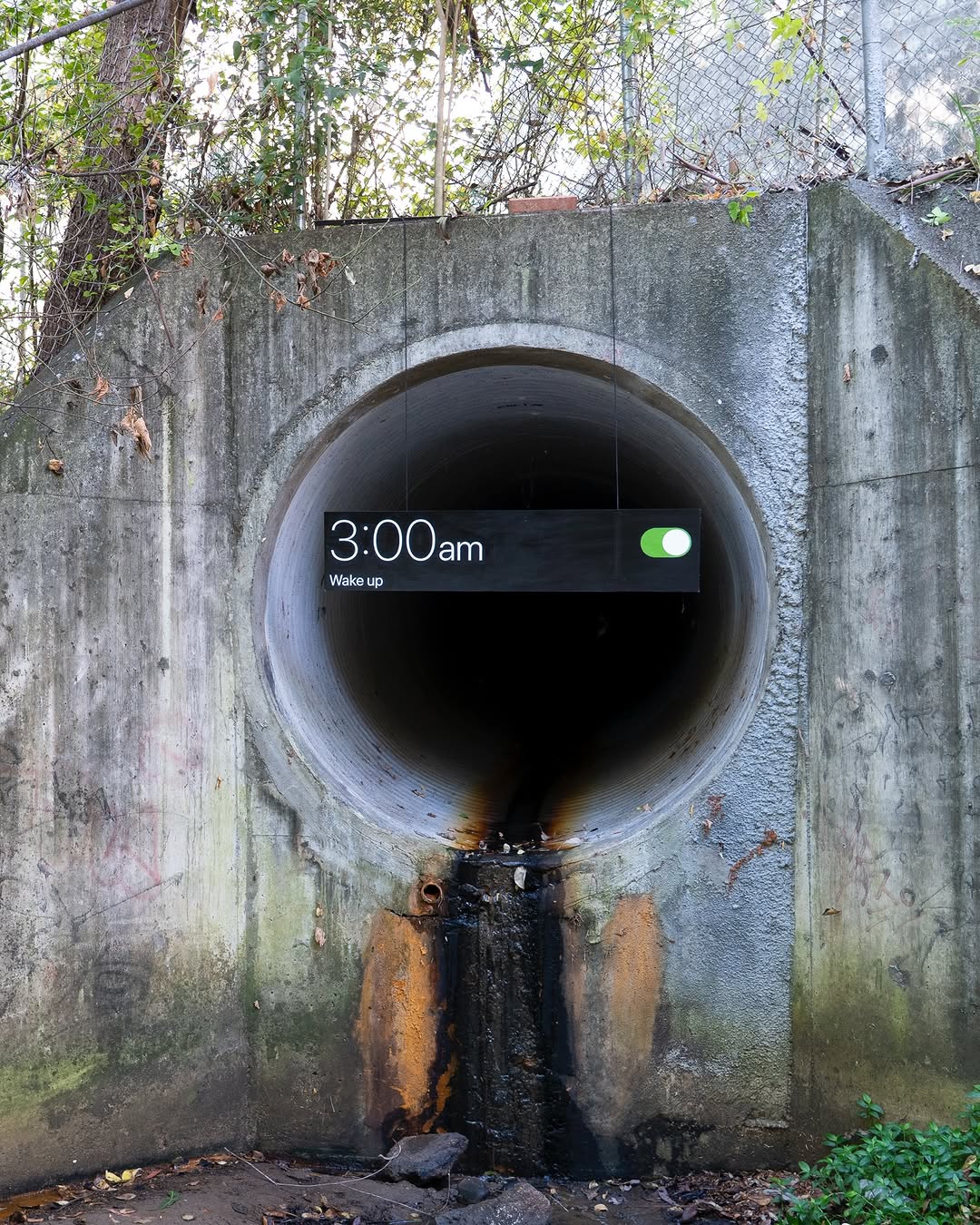
Over time, his work has been featured by prominent cultural and media platforms including The Sydney Morning Herald, Colossal, VICE, Frankie, and Huffington Post. His inclusion in The World Atlas of Street Art and Graffiti further positions him within an international conversation on contemporary street practices, placing his work in a broader history of artists who transform shared space outside conventional gallery walls.
For collectors of ideas as much as objects, this matters. Pederson’s art belongs to a lineage of practitioners who challenge where art happens, how authority is visualized, and what kinds of encounters count as meaningful. He does this not through aggression or spectacle, but through precision, humor, and a kind of urban tenderness.
From Sydney streets to international contemporary art contexts
Although Pederson is strongly associated with Sydney’s streetscape, his practice has expanded well beyond local intervention. His exhibition and festival history includes projects and presentations in Hong Kong, the United States, Croatia, the Netherlands, and South Korea, signaling that his visual language travels unusually well across contexts.
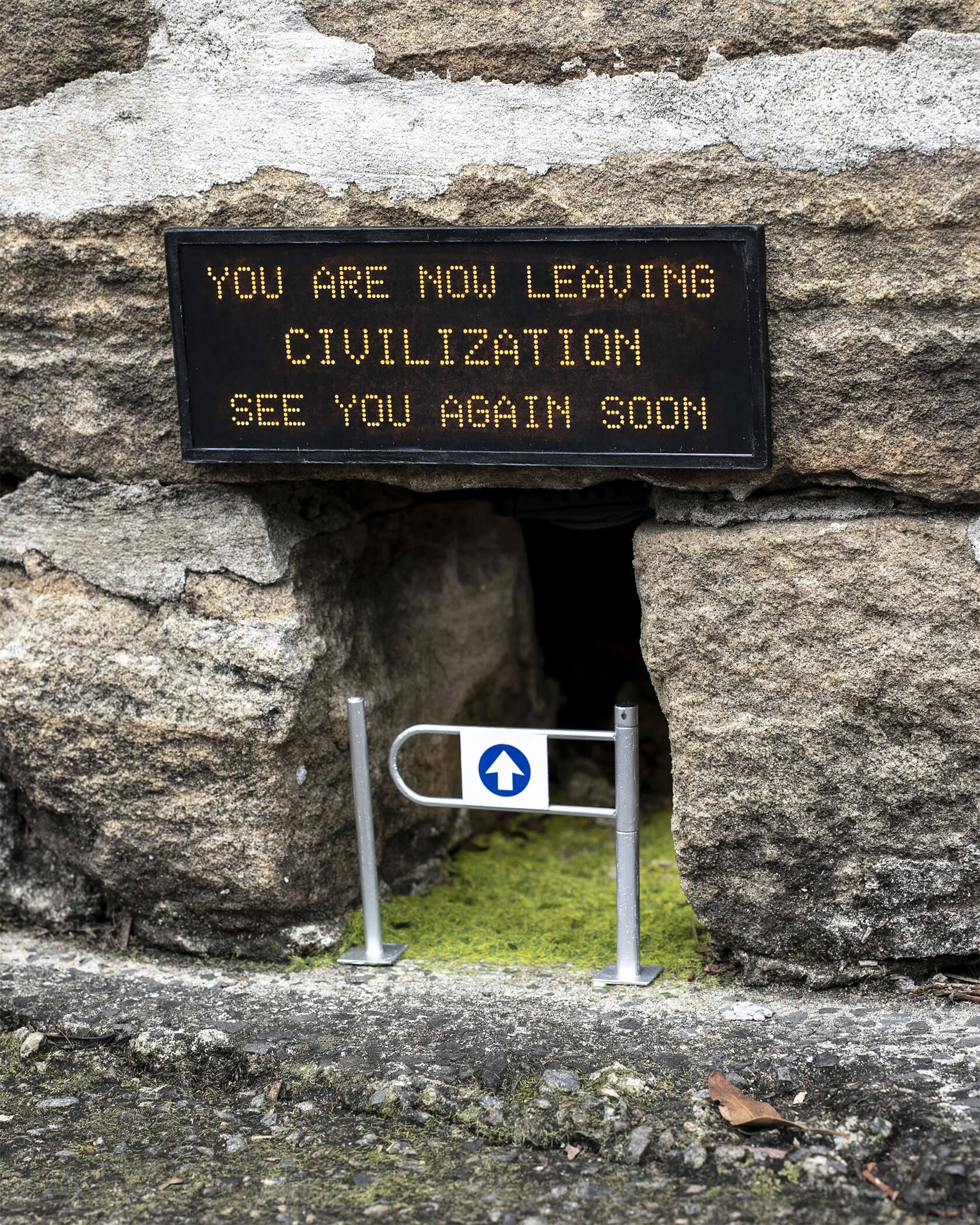
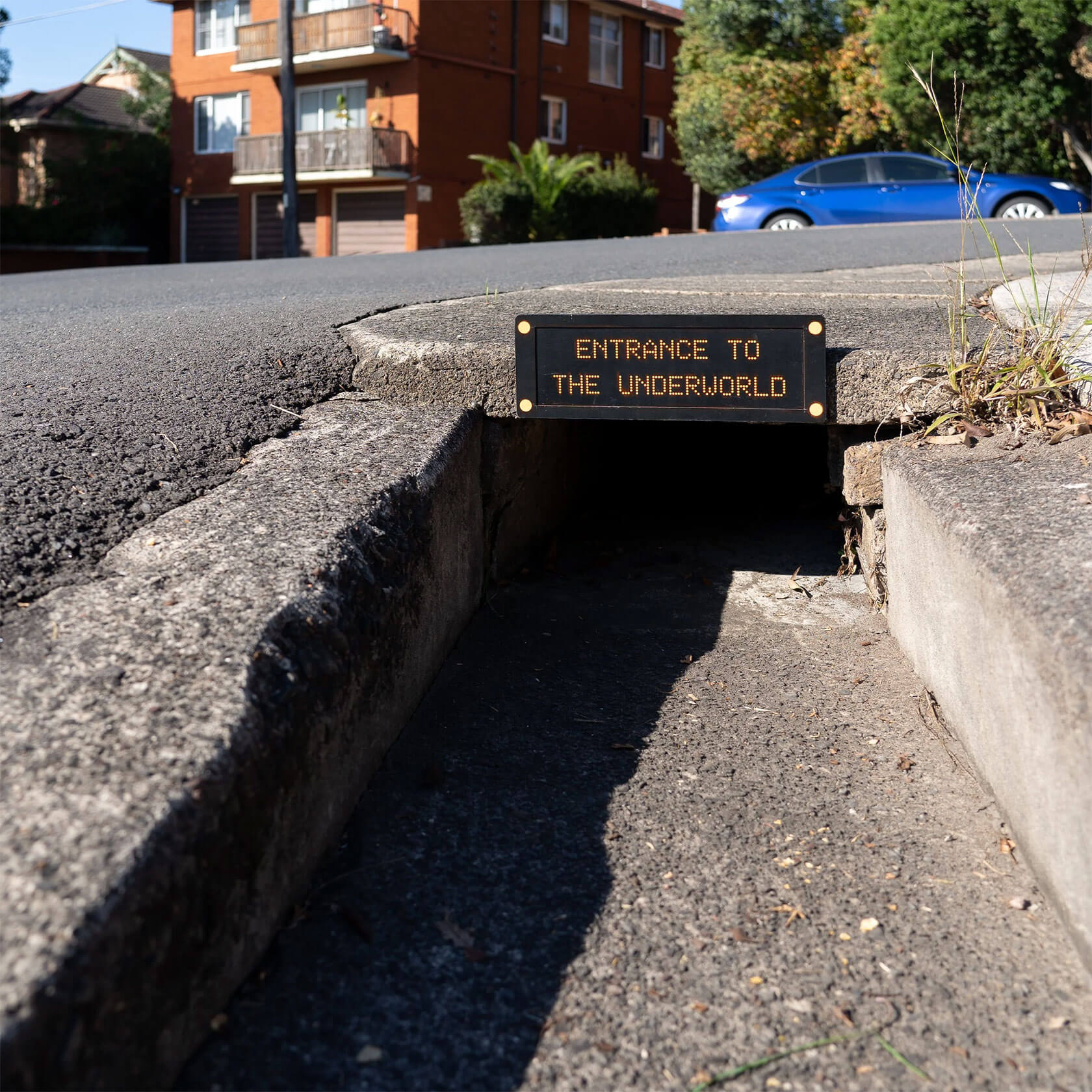
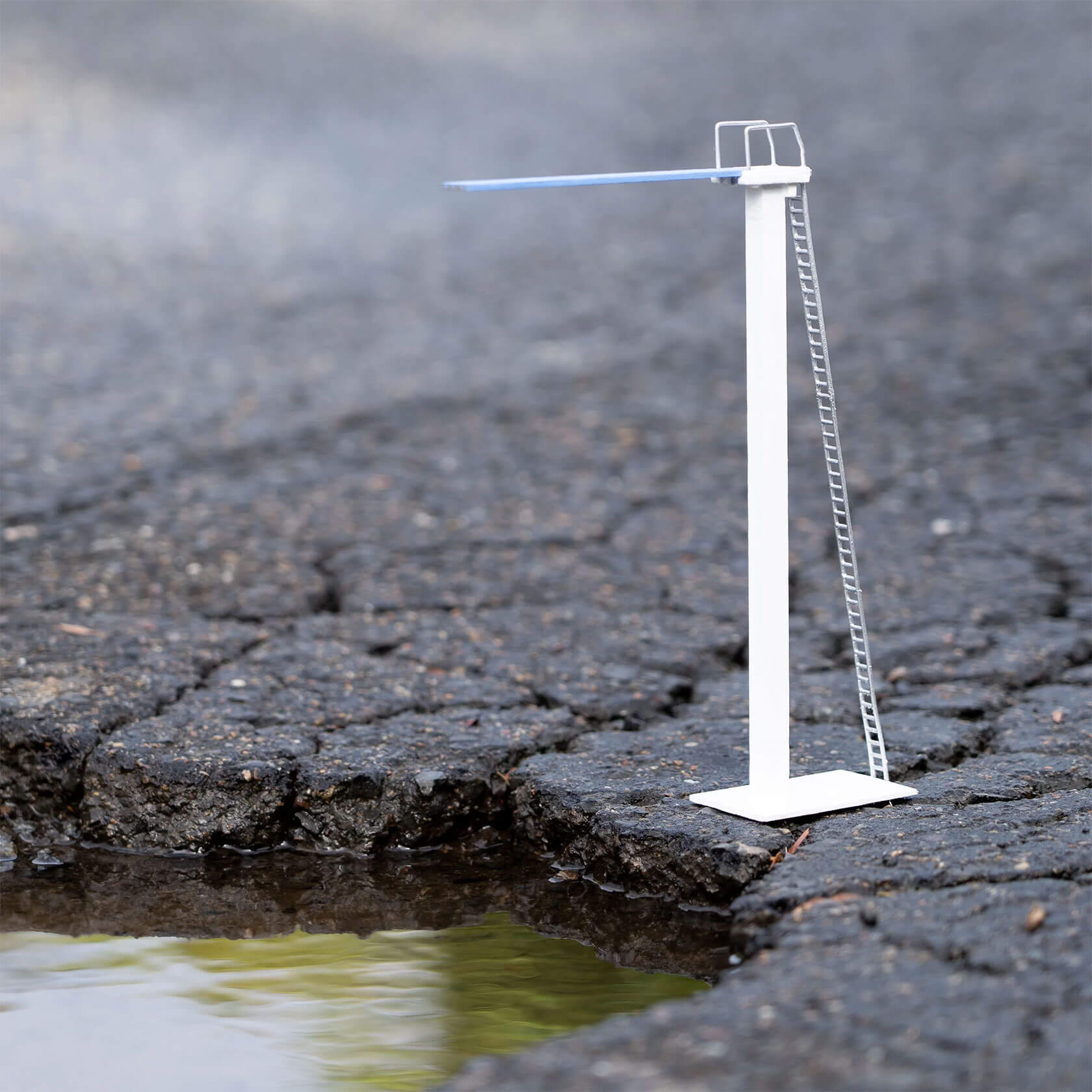
Key milestones include participation in Okolo//Around festival in Zagreb in 2019, a project for The Other Art Fair at Barangaroo in Sydney in 2021, and several editions of The Little Festival in Newcastle, Maitland, and New Lambton between 2022 and 2024. More recently, his work appeared in Room for Wonder at Groundseesaw in Seoul from 2025 to 2026.
These details enrich how we understand his art. The Barangaroo project, for instance, places Pederson not only within street art culture but also within a contemporary art fair ecosystem associated with immersive installation and artist-led presentation. The Seoul exhibition suggests another evolution, showing that his miniature, site-responsive sensibility can be translated into international exhibition formats without losing its charm or conceptual clarity.
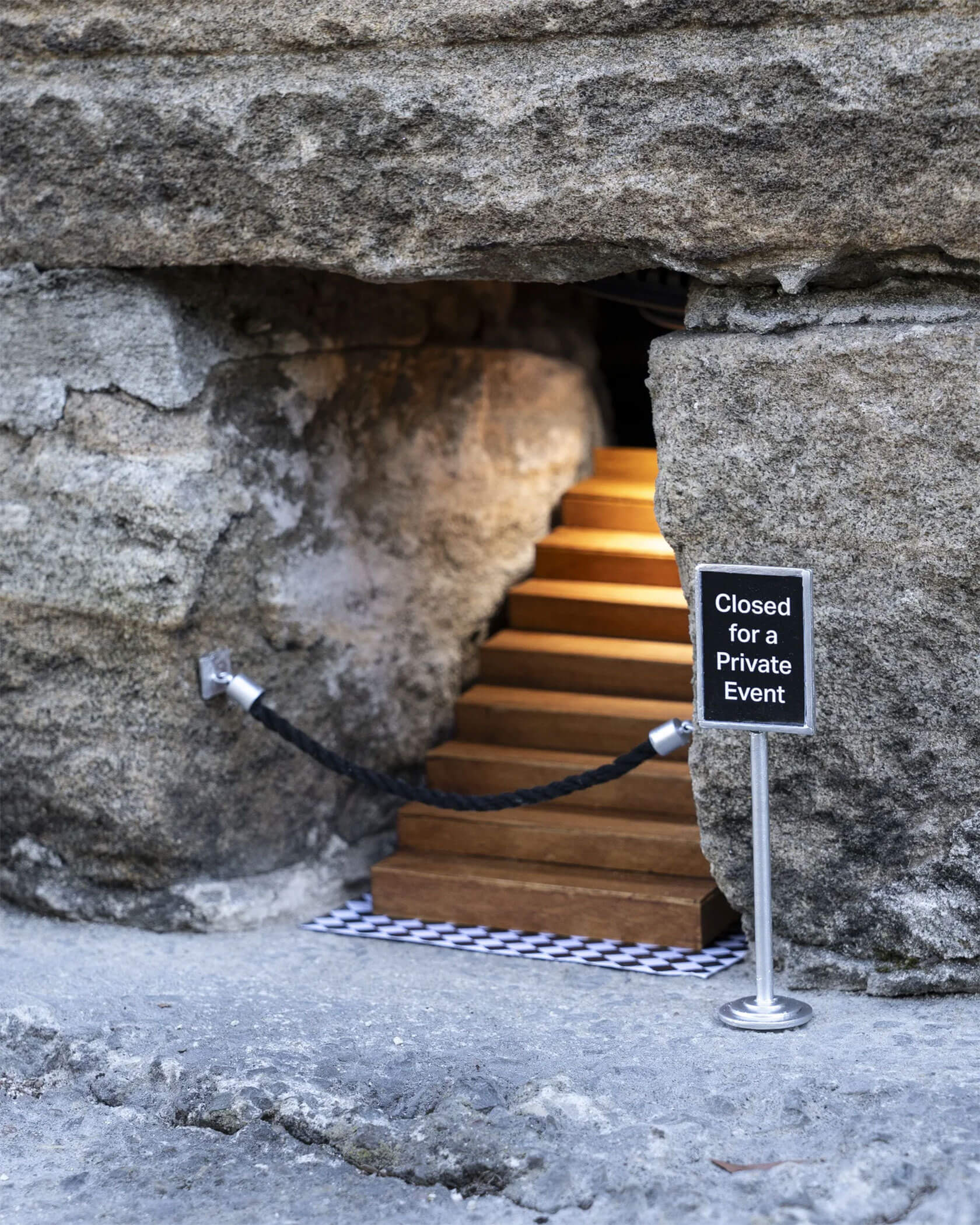
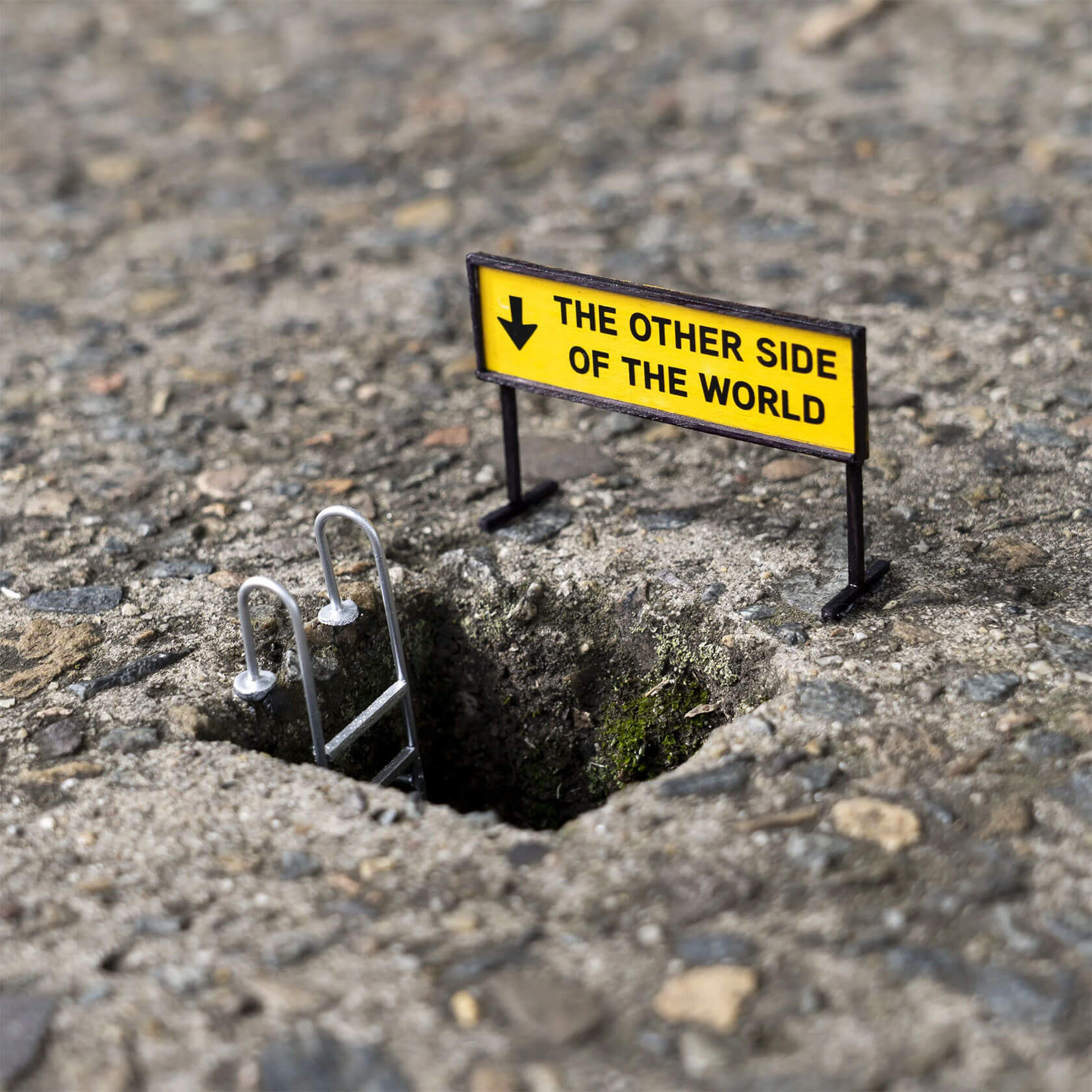
That transition is not always easy for artists rooted in public intervention. Many practices lose their edge when moved indoors or placed in institutional settings. Pederson’s continued momentum suggests that the strength of the work lies not only in surprise placement, but in the larger intelligence behind it.
The artist behind the alias
Pederson has also been known publicly under the name Miguel Marquez Outside, a moniker that remains relevant through his social presence and has long been associated with the project. That alias carries a certain mood of its own. It feels slightly cinematic, a little elusive, and fittingly attuned to work that lives on the edges of official visibility.
Background details from earlier interviews add another layer to the practice. Pederson studied painting, and before or alongside his art career, he worked in mental health support, assisting people in community recovery. It is tempting to draw a line between that lived experience and the compassion embedded in his public art. While his interventions are often funny, they are not cynical. They make room for delight. They create small openings in the day. For many viewers, that gesture can feel unexpectedly restorative.
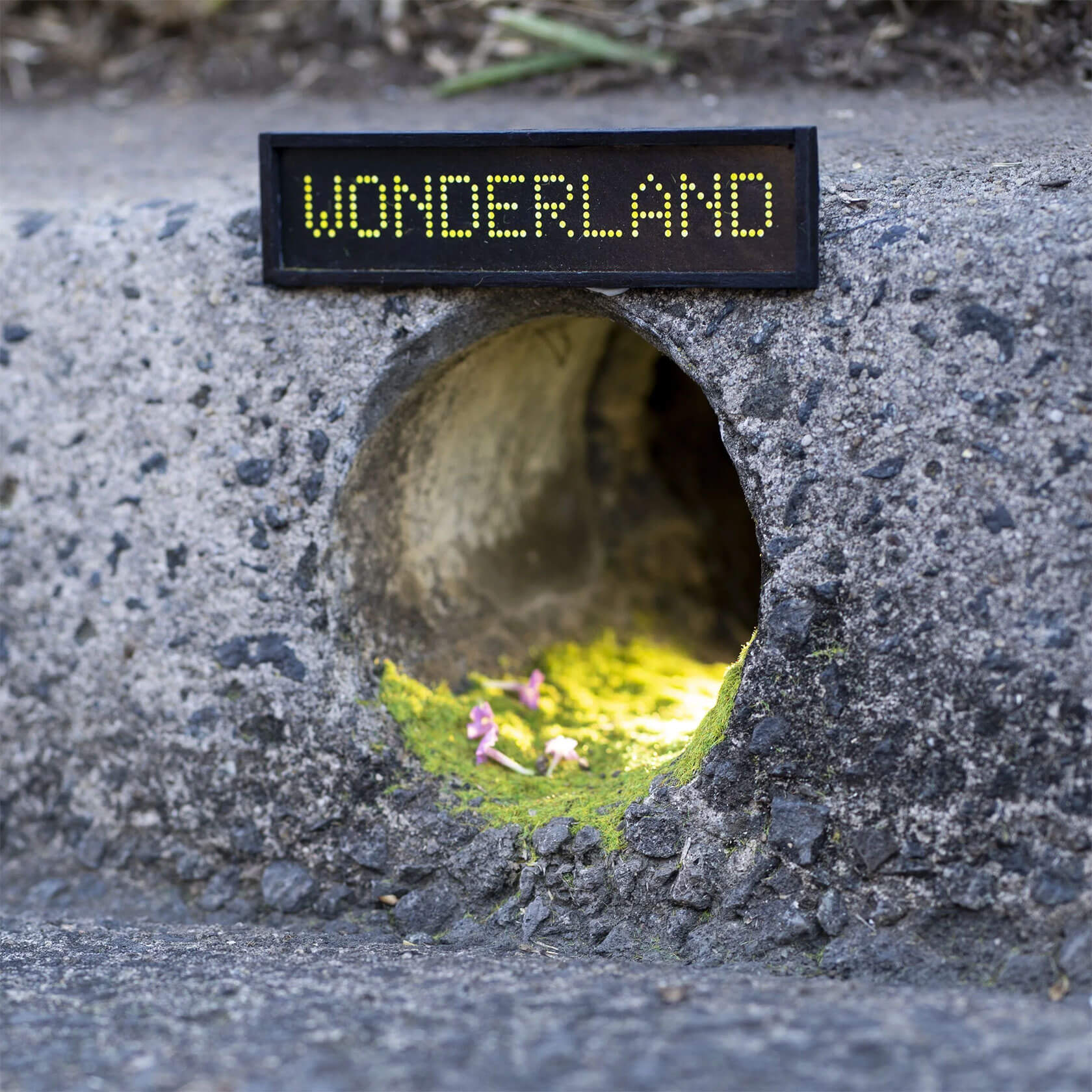
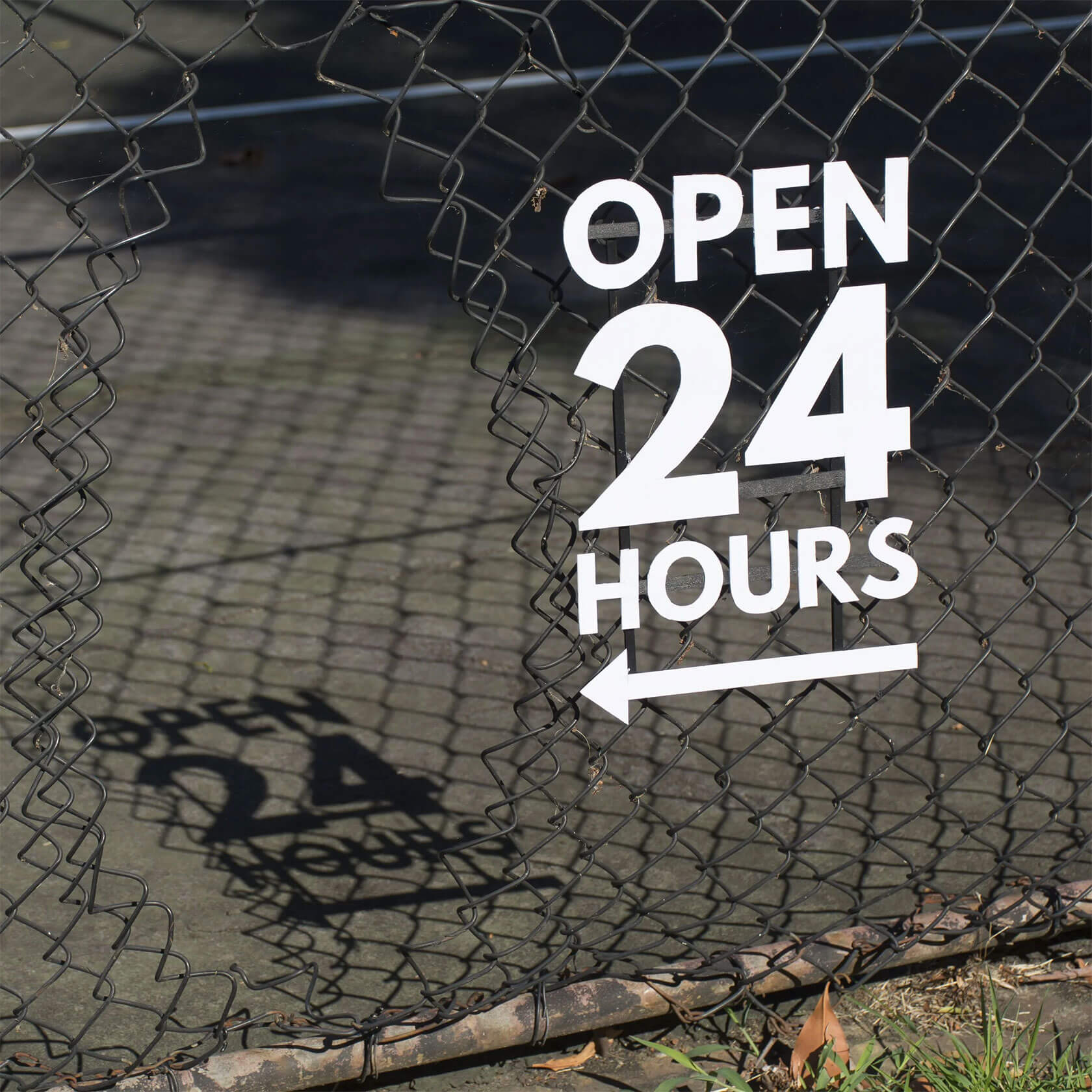
There is also an ephemeral quality to the work that sharpens its meaning. Some of Pederson’s interventions have been described as informally or illegally posted, yet easily removable. That fragility is central to their beauty. They do not attempt permanence. They enter the city lightly, alter it briefly, and may disappear without warning. In that sense, they behave less like monuments and more like encounters.
How Michael Pederson builds wonder from overlooked space
Pederson has spoken about beginning some works with a site and others with an idea that later finds its location. That flexible process helps explain why the interventions feel so alive. They are neither purely reactive nor purely pre-planned. Instead, they emerge through a dialogue between thought and terrain.
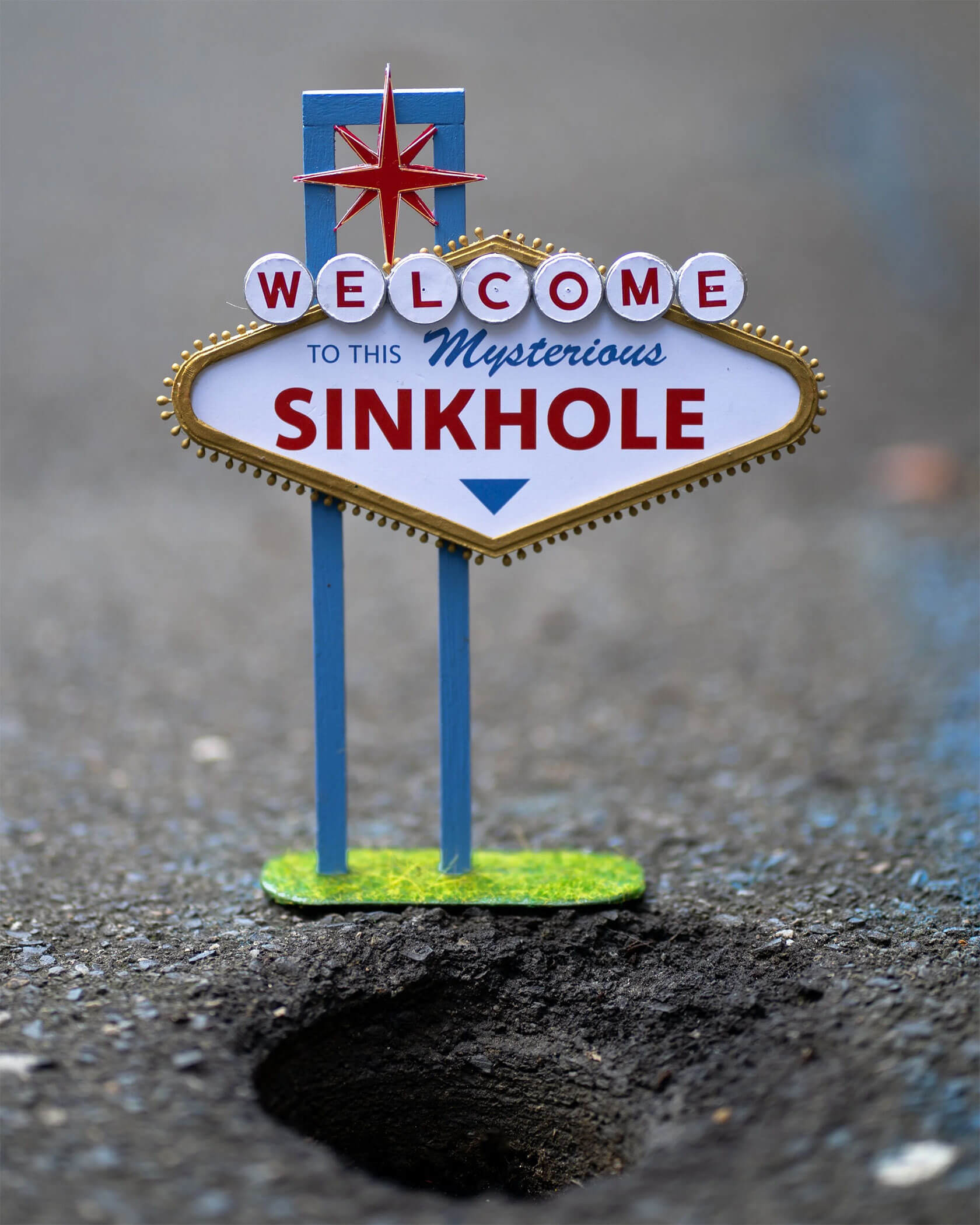
This makes him a particularly interesting figure within site-responsive art. He is attentive to what a place already suggests, but he is equally skilled at inserting a concept that changes the meaning of the site. A drain can become a portal. A small recess can become a venue. A crack in public logic can become the whole point of the piece.
In practical terms, his fabricated objects are also impressively controlled. The materials, scale, typography, and finish all matter. If they looked sloppy, the illusion would fail. The works depend on craftsmanship as much as concept. Their plausibility is what allows the absurdity to strike with full force.
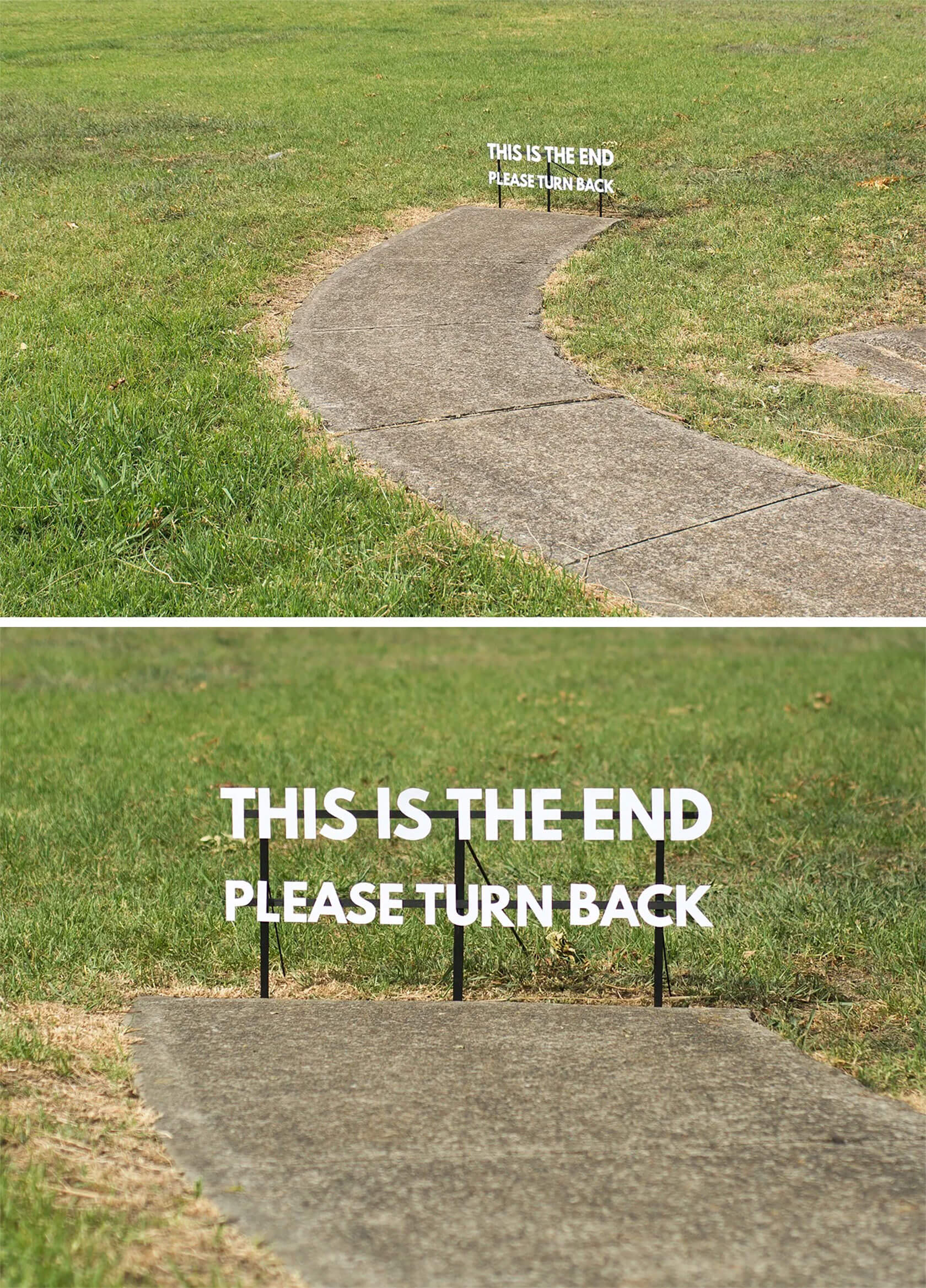
For enthusiasts of urban design, intervention art, miniature sculpture, and contemporary Australian art, this fusion of fabrication and idea is one of the most rewarding aspects of Pederson’s practice. His work may appear effortless, but it is built on design intelligence.
Public art that teaches us how to look again
What makes Pederson especially beloved among art audiences is not simply that he makes people smile. It is that he changes the rhythm of perception. He turns passive transit into active noticing. He restores drama to the corners of the city that routine has flattened.
That achievement is larger than it first appears. In an era saturated with images competing for attention, Pederson’s art works by whispering rather than shouting. It asks for alertness. It rewards those who still believe that details matter. In doing so, it speaks directly to creative people who move through the world searching for texture, metaphor, and signs of life in apparently inert places.
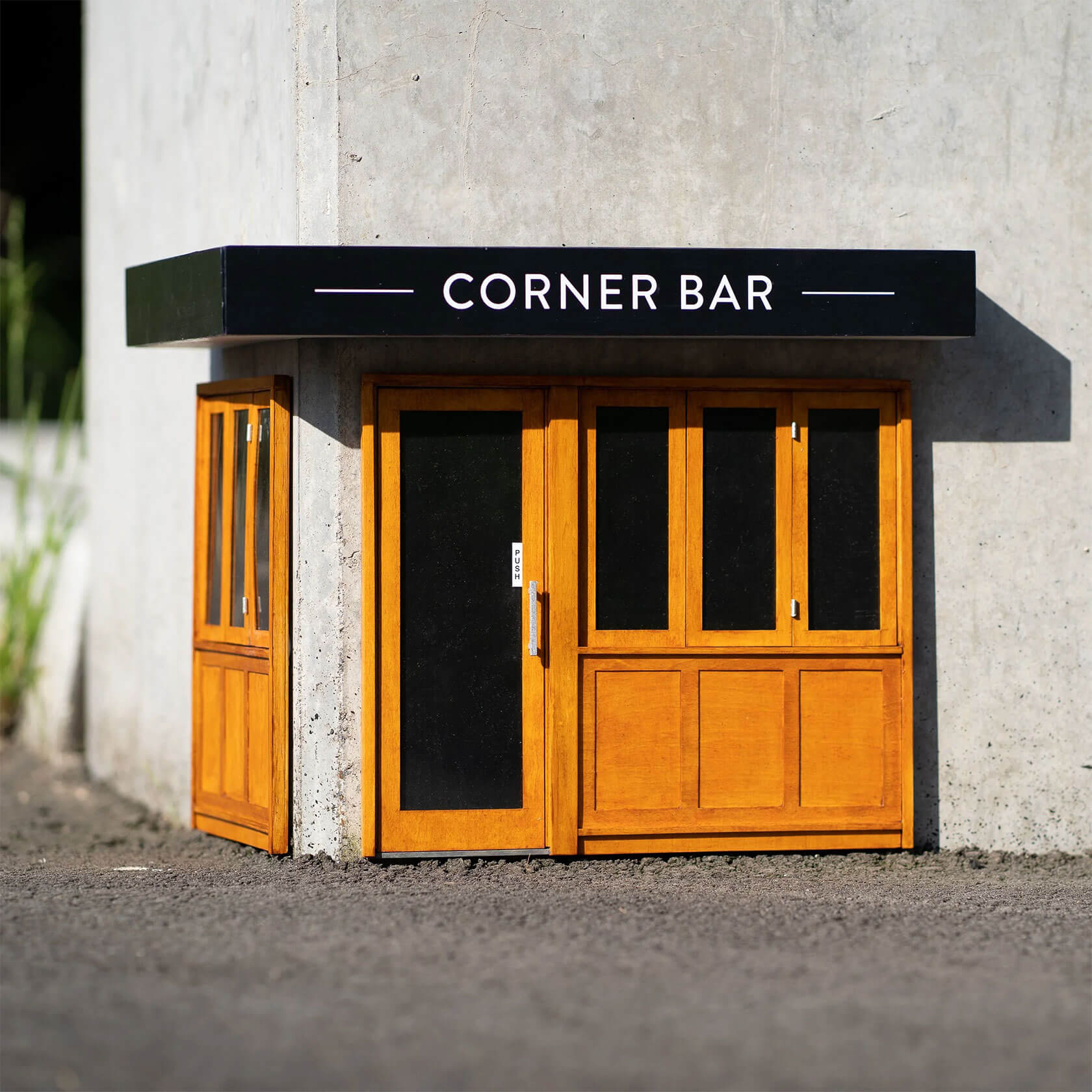
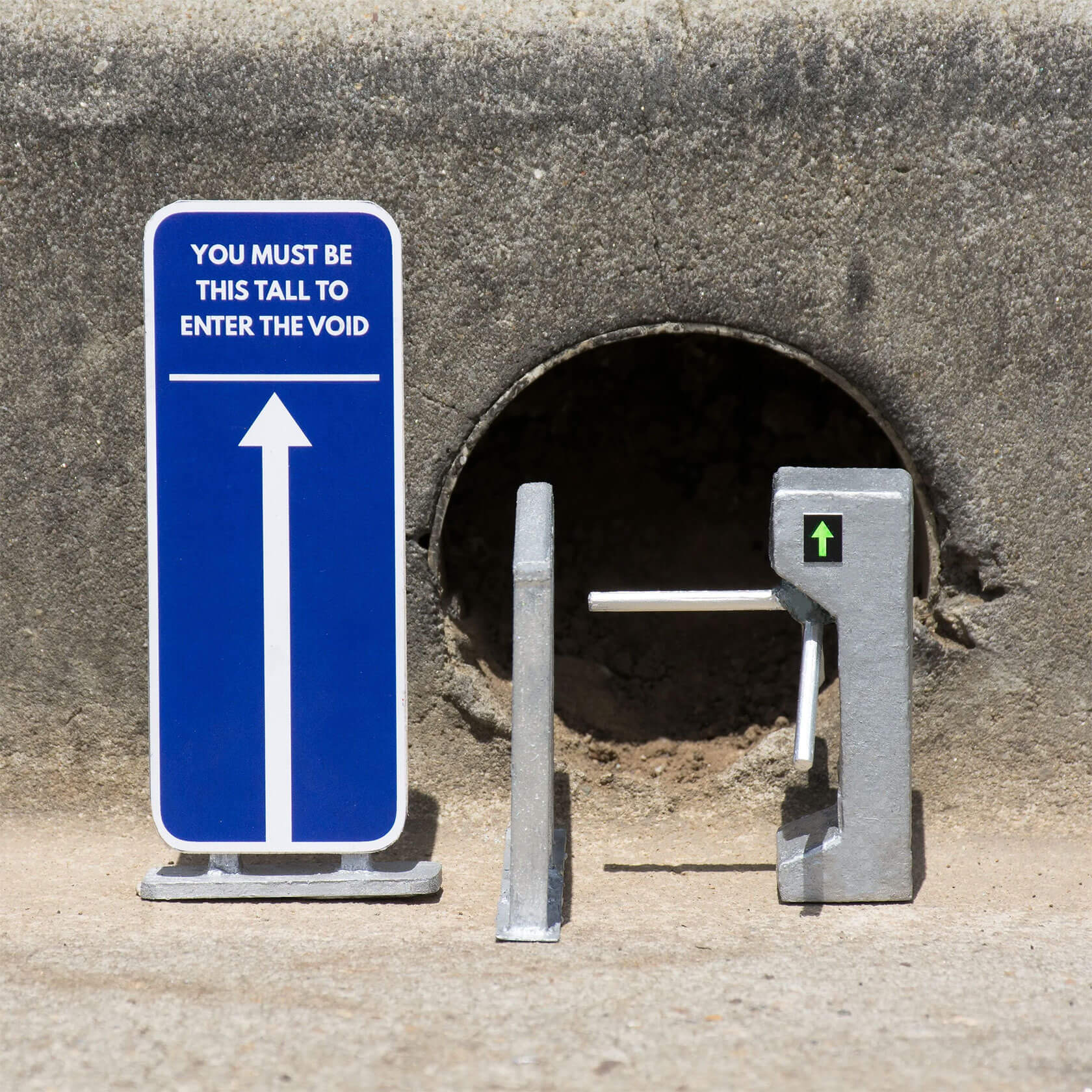
His interventions also remind us that public art need not be monumental to be memorable. A city can be transformed by scale shifts, by wit, by an object the size of a hand. The intervention may be tiny, but the aftereffect is expansive. Once you have seen one of his works, the whole street starts to feel suspect in the best possible way. Every grate, curb, drain, and stone begins to look like it might be harboring a secret.
Why Michael Pederson matters now
Michael Pederson’s work arrives at a moment when many people feel estranged from the spaces they inhabit. Cities can be efficient, surveilled, expensive, and emotionally hard. His art slips between those pressures and introduces a different possibility. It says that the built environment is not finished. It can still be played with. It can still host surprise, absurdity, and tenderness.
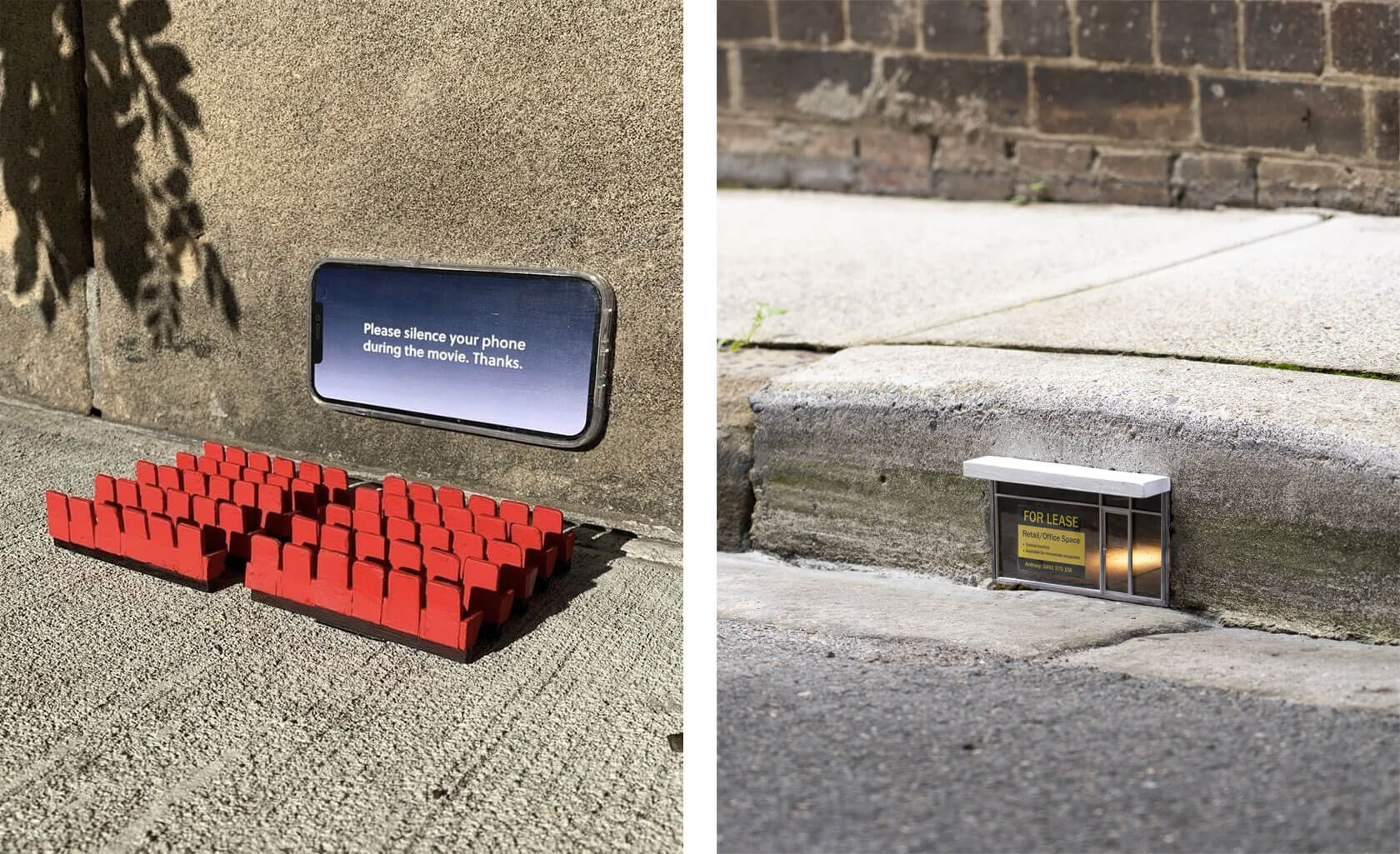
That is why his miniature interventions resonate far beyond their size. They are not just amusing insertions into public space. They are arguments for imagination as a civic act.
For anyone devoted to public art, street photography, urban creativity, site-specific installation, and contemporary visual culture, Pederson’s practice is worth following closely. Across Sydney and increasingly across the world, he continues to prove that a forgotten corner is never really empty. Sometimes it is simply waiting for the right artist to notice it first.
You can explore more of Michael Pederson’s projects through his official website and Instagram, where his evolving archive reveals just how rich, funny, and quietly profound these tiny interruptions have become.